Caregiver and Elderly Care Worker Jobs in Italy (2026)
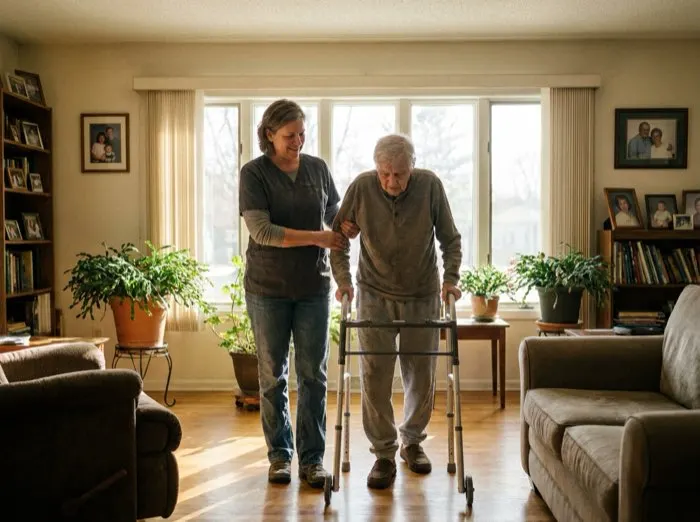
Italy has one of the oldest populations in the world. Families and specialized care facilities across the country rely heavily on foreign workers to support elderly relatives. If you are a care worker from outside the European Union, Italy offers a massive job market for personal care assistants, live-in caregivers, and nursing aides.
Demand is high and consistent throughout the year. However, working legally in Italy requires navigating a specific immigration visa quota system and understanding local qualification standards. This guide explains how the system works, where the jobs are located, what you will earn, and how to prepare your application.
Where Caregiver Jobs Are Located in Italy
Caregiver jobs exist in every town across Italy, but the highest volume of employment opportunities for foreign workers is concentrated in northern and central regions. These areas have higher average household incomes, enabling families to hire live-in care support, as well as dense networks of private care homes.
- Lombardia (Milan, Bergamo, Brescia): The largest employer region for foreign care staff. Demand is high in both private households and private nursing institutions known as RSAs (Residenze Sanitarie Assistenziali).
- Emilia-Romagna (Bologna, Modena, Parma): Known for well-funded local health systems and high demand for home care workers and certified care assistants.
- Veneto (Verona, Treviso, Padova): Strong demand for home-based assistance and private residential care for elderly residents.
- Piemonte (Turin): A major urban hub with steady hiring for both full-time live-in workers and daytime home help.
- Lazio (Rome): High concentration of domestic care roles within the capital city and surrounding suburban municipalities.
In terms of seasonality, hiring for private home care happens continuously throughout the year. However, visa sponsorship is linked directly to an annual government cycle.
Work Permits and the Decreto Flussi System
To work legally in Italy as a non-EU citizen, you must secure a work permit through the Decreto Flussi. This is an annual quota system issued by the Italian government that sets the number of foreign workers allowed to enter the country for employment.
In recent years, the Italian government has introduced specific quota allocations specifically reserved for domestic workers and family care assistants (lavoro domestico e di assistenza alla persona). This makes caregiving one of the most reliable routes for non-EU workers entering Italy.
- The Application Process: An Italian employer (either an individual family or a care facility) must submit a request for a work authorization document called a Nulla Osta through the Ministry of Interior online portal.
- The Timeline: The Decreto Flussi application window usually opens early in the calendar year. Processing the Nulla Osta typically takes between three to six months.
- Consular Visa: Once the clearance document is approved in Italy, you apply for an entry visa for subordinate work (lavoro subordinato) at the Italian embassy or consulate in your home country.
- Residence Permit: Within eight days of arriving in Italy, you and your employer visit the local immigration office (Sportello Unico per l'Immigrazione) to sign the employment contract (Contratto di Soggiorno) and apply for your residence permit (Permesso di Soggiorno).
Certifications and Medical Qualifications in Italy
Care work in Italy is divided into two primary categories: private domestic care (working directly for a family) and professional institutional care (working in hospitals or care facilities). The qualifications required depend on which path you choose.
- Live-In Family Caregiver (Badante): No formal medical degree is legally required to work in a private home. However, completing a basic family care course (Assistente Familiare) or holding first-aid certification makes your profile far more attractive to families.
- Operatore Socio-Sanitario (OSS): This is the official state-recognized certification required to work in hospitals, clinics, and RSAs. The OSS qualification requires completing 1,000 hours of training and practical internship through accredited regional agencies (Regione).
- Operatore Socio-Assistenziale (OSA): A lower level certification focused on basic social and personal assistance, often recognized for community care roles.
- Foreign Nursing Degrees: If you hold a nursing diploma from outside the EU, it does not automatically allow you to work as a nurse in Italy. You must apply for professional recognition through the Ministry of Health (Ministero della Salute). While your recognition is pending, many foreign nurses work legally as high-skilled caregivers or OSS assistants.
Pay Rates and Collective Bargaining Agreements
Domestic care work in Italy is regulated by a national collective bargaining agreement called the CCNL Lavoro Domestico. This agreement sets minimum legal wage rates, working hours, paid vacation, and mandatory bonuses for all domestic employees.
Pay rates depend on your job classification, your working hours, and whether you live in the home with the employer.
- Level BS (Care for non-dependent persons): Covers assistance to elderly people who are still mobile and independent. Typical monthly net pay ranges from 900 Euros to 1,100 Euros for live-in arrangements.
- Level CS (Care for dependent persons): Covers care for seniors who require assistance with walking, feeding, or medication. Typical monthly net pay ranges from 1,050 Euros to 1,300 Euros for live-in arrangements.
- Level DS (Specialized care for highly dependent persons): Applies to caregivers with professional certifications looking after individuals with severe medical conditions or dementia. Typical monthly net pay ranges from 1,250 Euros to 1,600 Euros.
- Live-In Benefits: If you work as a live-in caregiver (convivente), your employer is legally required to provide free room and board in addition to your monthly salary.
- Mandatory Extras: Under Italian labor law, caregivers receive 26 days of paid annual leave, a 13th-month bonus paid in December (Tredicesima), and a severance payout called TFR (Trattamento di Fine Rapporto) when the contract ends.
Language Requirements and Work Conditions
Italian language capability is the single most important practical factor in securing a job. Unlike technical industries where English might be accepted, elderly care in Italy happens entirely in Italian.
Elderly Italians rarely speak English. You need to understand health complaints, communicate with doctors, manage medication instructions, and offer companionship. Most families require at least intermediate spoken Italian (B1 level). If you apply from abroad, showing that you are actively studying Italian puts you at a major advantage.
Daily responsibilities generally include assistance with personal hygiene, preparing traditional Italian meals, keeping the living space clean, tracking medication schedules, and accompanying the elderly person to medical appointments or daily walks.
Reality Check: Common Misconceptions About Care Work in Italy
- Myth: You can enter Italy on a tourist visa and start working legally.
Reality: You cannot convert a tourist visa into a work permit inside Italy. You must receive your work authorization clearance while abroad and enter with a formal work visa. - Myth: You can work in a care home or hospital without formal Italian credentials.
Reality: Healthcare institutions require a recognized regional OSS certificate or official Ministry clearance. Private household care is the main avenue for those without local certificates. - Myth: Live-in caregivers must work 24 hours a day without rest.
Reality: Italian labor law limits live-in work to a maximum of 54 hours per week. Workers are legally entitled to at least two hours of unpaid break time during the day and 36 consecutive hours of weekly rest, usually starting Saturday afternoon through Sunday. - Myth: Employers expect you to speak fluent English.
Reality: English is rarely useful in day-to-day caregiving. Conversational Italian is essential for safety, employer trust, and effective job performance.
Set Up Your Workuro Profile to Target Italian Employers
Employers and domestic care agencies in Italy search Workuro to find reliable foreign caregivers ready for sponsorship. To make sure your profile appears in relevant searches, fill out your details completely and highlight the specific qualifications employers look for.
Be sure to add these key specifics to your Workuro profile:
- Language Skills: Clearly state your current Italian speaking level, even if you are currently taking basic lessons.
- Certifications: List any care qualifications you hold, such as OSS, OSA, nursing diplomas, or certified first-aid training.
- Specific Care Experience: Mention your practical skills, such as mobility support, dementia care, diabetes management, or post-surgery recovery.
- Target Regions: Indicate if you are open to working in top employment hubs like Lombardia, Emilia-Romagna, Veneto, or Lazio.
- Decreto Flussi Readiness: State clearly if you have your passport ready and are looking for an employer to sponsor your work clearance under the annual quota system.
هل أنت مستعد ليجدك أصحاب العمل؟
أنشئ ملفك الشخصي في دقيقتين. مجاني، بدون بطاقة ائتمان.
متابعة القراءة