Baker and Pastry Worker Jobs in Bulgaria for Foreign Workers (2026)

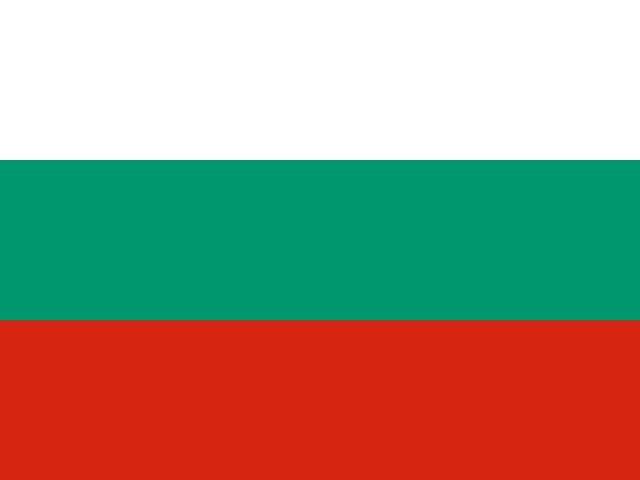 Bulgaria
Baker and Pastry Worker Demand in Bulgaria: The Real Picture
If you are looking for a bakery or pastry job in Europe as a non-EU citizen, Bulgaria is a realistic entry point, but you need to know what to expect. Bulgaria has a clear shortage of hands in food manufacturing and commercial kitchens. Young locals often move to Western Europe, leaving large gaps in commercial bakeries, hotel pastry stations, and food processing plants across the country.
However, you must be honest about the pay. Bulgaria offers some of the lowest monthly wages in the European Union. If your main goal is sending home large amounts of cash right away, nearby countries like Croatia, Poland, or Romania might offer slightly higher starting net pay for bakery staff. But if your goal is getting a legal work permit in the EU, gaining recognized experience, and living in a country with a low cost of living, Bulgaria is a practical option.
Demand in Bulgaria splits into two distinct categories: year-round industrial bread production and seasonal tourist baking. Large industrial facilities produce bread, phyllo dough pastries, and packaged baked goods every single week. Meanwhile, seaside and ski resorts need dozens of pastry assistants and bakers for short, intense seasons. If you have solid basic skills and are willing to work hard, Bulgarian employers are actively looking abroad to fill these spots.
Where the Jobs Are: Key Regions and Hiring Cycles
Bakery work in Bulgaria is concentrated in specific industrial hubs and tourist zones. Knowing where to look helps you understand what kind of work you will do and when employers hire.
- Sofia and Suburban Industrial Zones: The capital city and nearby industrial areas like Elin Pelin and Bozhurishte house Bulgaria's largest commercial bakeries and industrial pastry plants. These facilities run year-round on rotating shifts. They produce standard white bread, traditional round breads (pogacha), and frozen bakery items distributed across Eastern Europe. Hiring here happens continuously throughout the year.
- Plovdiv Region: Plovdiv is a massive hub for food processing. The industrial zones around Maritsa and Kuklen feature medium to large baking plants and industrial confectionery factories. These plants frequently hire foreign workers for dough mixing, machine operation, and oven monitoring on year-round contracts.
- The Black Sea Coast (Varna, Burgas, Sunny Beach, Golden Sands): The coastal resorts experience a massive surge in demand from May to October. Large hotel complexes, independent bakeries, and resort kitchens need pastry chefs, baker assistants, and dessert prep workers. Hiring for the summer season starts early, usually between January and March, so permits can be processed before May.
- Mountain Ski Resorts (Bansko, Borovets, Pamporovo): The winter resort season runs from December through April. Hotels and mountain bakeries hire extra pastry workers to prepare breakfast pastries, cakes, and fresh bread for winter tourists. Hiring for winter begins around September.
- Dobrich and Ruse: Located in northern Bulgaria near the grain-growing regions, these cities feature long-established flour mills and industrial baking setups that recruit production line staff consistently.
Wages and Working Hours in Bulgarian Bakeries
Bulgaria uses the Bulgarian Lev (BGN). Bulgaria applies a flat income tax rate of 10 percent, alongside social security contributions, which makes calculating your take-home pay straightforward.
For an entry-level bakery assistant or line worker in an industrial bread factory, typical net monthly pay ranges from 1,100 BGN to 1,500 BGN (roughly 560 EUR to 765 EUR net). Experienced artisanal bakers, skilled dough kneaders, or specialized pastry chefs working in Sofia or busy resort hotels can earn between 1,600 BGN and 2,400 BGN net per month.
Many seasonal employers along the Black Sea coast or in ski resorts offer free shared accommodation and at least one meal per shift as part of your contract. This bonus significantly reduces your monthly expenses, allowing you to save more of your base salary despite the modest pay scale.
Standard full-time contracts cover 40 hours per week across five days. However, bakery work involves specific schedules you must accept:
- Night Shifts: Industrial bread baking runs heavily overnight so fresh products hit store shelves by early morning. Night work usually carries a small mandatory pay premium under Bulgarian labor law.
- Early Starts: Hotel and retail pastry workers often start their shifts as early as 4:00 AM or 5:00 AM.
- Seasonal Overtime: During peak tourist months in Sunny Beach or Bansko, 6-day work weeks are common, with overtime paid according to statutory rates.
Work Permits and Mandatory Certificates for Foreign Bakers
As a citizen from outside the EU, you cannot simply arrive in Bulgaria and look for a job. You must secure an official job offer first so your employer can apply for your work authorization.
The primary route for long-term bakery workers is the Single Work and Residence Permit (Единно разрешение за пребиваване и работа - ERPR). Your Bulgarian employer submits the application package to the Migration Directorate and the Employment Agency (Агенция по заетостта). This permit is tied to that specific employer and is usually granted for one to three years.
The visa process generally takes between two and four months from the time the employer submits the paperwork until you receive your D-type visa at the Bulgarian embassy in your home country.
Bulgarian health regulations for food handling are strict. Before you can touch raw dough or step onto a bakery floor, you must complete specific health checks:
- The Health Book (Здравна книжка): Every worker in food production or catering must hold an official personal health book issued and registered by the Regional Health Inspectorate (РЗИ - RZI). You will undergo medical exams (including stool tests and chest X-rays) upon arrival in Bulgaria to prove you carry no communicable diseases.
- Food Safety Training: Bakeries operate under regulations enforced by the Bulgarian Food Safety Agency (БАБХ - BABH). Employers will train you on local hygiene rules and standard HACCP monitoring protocols.
- Trade Qualifications: Formal recognition by NAVET (National Agency for Vocational Education and Training) is rarely required for general line bakers. However, having a diploma or certificate from a recognized culinary institute in your home country helps convince the Employment Agency that you have the required skills for the position.
Language Requirements and Bakery Culture
You do not need to speak fluent Bulgarian to land an entry-level job in an industrial bakery or a high-volume resort kitchen. Many foreign workers start with no Bulgarian at all.
In large industrial facilities, team leaders or supervisors often speak basic English, Russian, or Turkish, depending on the crew. In resort kitchens along the coast, English and German are common among management.
However, learning basic Bulgarian bakery terminology quickly will make your daily work much easier. Knowing local words for ingredients (flour - брашно, yeast - мая, sugar - захар, salt - сол), equipment (oven - пещ, mixer - миксер), and workplace actions (mix, roll, bake, rest) earns respect from local master bakers (майстор пекар).
Reality Check: What Foreign Bakers Get Wrong
- Expecting Western European Wages: Bulgarian salaries are designed for the Bulgarian cost of living. Do not expect German or French pay scales. Check local rental costs and living expenses before accepting an offer.
- Thinking You Can Work on a Tourist Visa: You cannot legalise your status after arriving as a tourist. The permit process must begin with an official employer before you enter the country on an employment visa.
- Assuming All Bakery Jobs Are Artisanal: Most high-volume foreign recruiting is done by large factory lines and hotel buffets, not tiny boutique pastry shops. You will likely work with commercial machinery, large dough dividers, and automated ovens rather than making hand-shaped croissants all day.
- Ignoring the Health Book Requirement: If you fail your medical screening upon arrival in Bulgaria, you cannot legally work in a kitchen or bakery, even if your work permit is already approved.
- Underestimating Shift Work: Bakery hours are demanding. Standing for eight to ten hours in high temperatures near commercial deck ovens or working rotating night shifts requires strong physical stamina.
Set Up Your Workuro Profile to Get Found by Bulgarian Employers
Bulgarian food manufacturers and hotel groups search Workuro to find reliable workers from outside the EU. When employers look for candidates, they filter profiles by precise skills, certifications, and availability.
To stand out to Bulgarian bakery recruiters, make sure your Workuro profile includes:
- Specific Technical Skills: List exact machinery you can operate (e.g., spiral mixers, laminators, deck ovens, rotary ovens) and products you know how to make (puff pastry, sourdough, industrial sandwich bread, cakes).
- Certificates and Education: Upload details of any culinary diplomas, food safety certificates, or vocational training records you hold.
- Target Regions: Mention whether you prefer year-round industrial hubs like Sofia or Plovdiv, or seasonal hotel roles in Varna, Burgas, or Bansko.
- Language Skills: Clear details on your English, Russian, or basic Bulgarian proficiency.
- Availability Date: Keep your available start date updated so employers know if you can match their seasonal or immediate hiring schedules.
Pronto para ser encontrado?
Crie seu perfil em 2 minutos. Grátis, sem cartão de crédito.
Continue lendo