Farm and Agricultural Worker Jobs in Finland for Foreign Workers (2026)
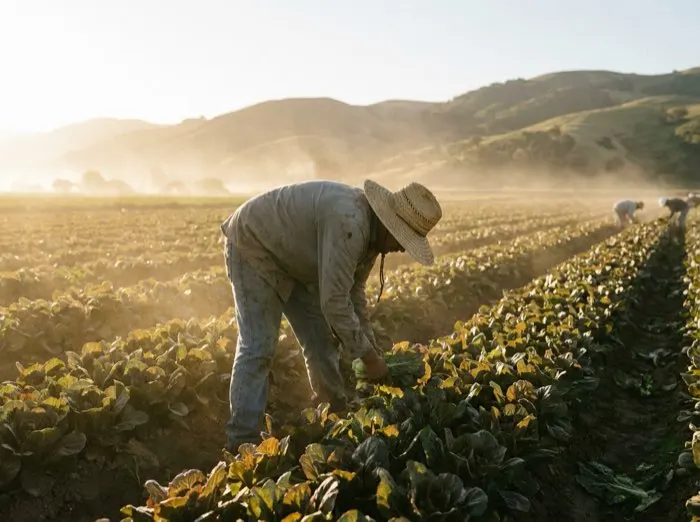
Agricultural Work in Finland: What You Need to Know
Finland relies heavily on foreign agricultural workers every single year. From fruit farms to massive greenhouse complexes, thousands of workers from outside the European Union enter the country to help with planting, maintaining crops, harvesting, and livestock care. If you are applying from South Asia, Africa, Latin America, the Balkans, or Central Asia, you will need a valid work permit before you start working on any Finnish farm.
Unlike some European countries where agricultural work is scattered evenly, farming in Finland is highly regional and tied to strict weather patterns. Crop production is concentrated in the southern and western parts of the country where the growing season is longest. Greenhouses and dairy farms operate year-round, while outdoor fruit and vegetable harvesting happens during a fast, intense summer window.
Demand for foreign workers in Finnish agriculture remains strong for 2026. Farm owners regularly hire international staff because local labour supply does not cover the high volume of hands needed during peak months. However, Finnish employment laws are strict. You must work under official contracts that respect national wage agreements, and your immigration permit must match the exact type of farm work you perform.
Where the Farm Jobs Are in Finland
To find work quickly, you need to focus on the specific Finnish regions where commercial agriculture is concentrated. Each region specializes in different types of farming:
- Varsinais-Suomi (Southwest Finland): The area surrounding Salo, Turku, and Loimaa is the main hub for open-field crops. Farms here grow grain, sugar beets, potatoes, cabbages, and field vegetables. The long daylight hours in early summer make this region highly productive.
- Pohjois-Savo (Northern Savonia): Located in eastern central Finland, this region is world-famous for its strawberry fields. The town of Suonenjoki is known as the strawberry capital of Finland. Tens of thousands of workers gather in this area between June and August to pick berries.
- Pohjanmaa (Ostrobothnia): The coastal area around Närpiö (Närpes) and Kristinestad is the heart of Finland's greenhouse industry. Over 60 percent of Finnish tomatoes and cucumbers are grown here. Närpiö relies heavily on foreign workers year-round. Note that Swedish is the primary language spoken in this specific coastal region alongside Finnish.
- Etelä-Pohjanmaa (South Ostrobothnia): Centred around towns like Seinäjoki and Lapua, this area contains major dairy operations, pig farms, and large potato fields. Dairy and livestock farming in this area run continuously throughout the winter and summer.
The Hiring Cycle and Seasonal Timeline
Timing is everything when applying for agricultural work in Finland. Because visa processing takes several weeks or months, applying at the wrong time of year means missing the whole season.
For outdoor fruit and vegetable work, recruitment starts early. Farm managers begin selecting workers between January and March for the coming summer. If you apply in May, most farms have already filled their teams and submitted permit requests. The main activity periods follow this pattern:
- April to May: Field preparation, planting, tunnel building, and early crop maintenance.
- June to August: Peak harvest season for strawberries, raspberries, greenhouse crops, and early vegetables. Workdays during midsummer can be long because the sun barely sets.
- August to October: Harvesting root crops like carrots, potatoes, and onions, along with apples and late-season vegetables. Farm cleanup happens before late autumn frosts.
- Year-Round: Greenhouse cultivation in regions like Närpiö and livestock care on dairy farms operate continuously. Recruitment for these positions happens in small batches throughout the entire year.
Permits, Licences, and Language Expectations
Working legally on a Finnish farm requires specific paperwork managed by the Finnish Immigration Service, known as Migri. You cannot legally start working until your authorization is granted.
- Seasonal Work Permit (Kausityölupa): If your farm job lasts between 3 and 9 months, you need a seasonal work permit from Migri. Your Finnish employer must provide a formal job offer and clear employment terms before you can apply. For shorter stays under 90 days, foreign workers apply for a seasonal work visa or a seasonal work certificate depending on their nationality.
- Plant Protection Certificate (Kasvinsuojelututkinto): If your job involves handling chemical sprays or plant protection products, Finnish law requires you to hold a recognized certificate issued under the supervision of the Finnish Food Authority (Ruokavirasto) and the Safety and Chemical Agency (TUKES). Employers often pay for or help experienced staff sit for this short exam.
- Tractor Driving Licence (Category T): If you drive tractors on public roads between farm fields, you need a valid Category T tractor licence or a full driver licence that covers agricultural vehicles.
- Language Requirements: You do not need to speak fluent Finnish to work in berry fields or seasonal harvests. Basic spoken English is usually enough to understand safety instructions and daily directions. However, on dairy farms or in greenhouse management roles, clear English or basic Finnish is important for safety. In Närpiö, Swedish is widely spoken on agricultural estates.
Wages, Taxes, and Collective Agreements
Pay rate standards in Finland are not decided by individual farm owners on a whim. Wages are regulated by a national collective agreement called the Rural Industries Collective Agreement (Maaseutuelinkeinojen työehtosopimus), negotiated by the Industrial Union (Teollisuusliitto).
Farm pay is structured into skill levels based on experience and task difficulty:
- Hourly Base Pay: Minimum hourly rates for agricultural workers range roughly between 9.50 EUR and 13.50 EUR gross per hour. Entry-level seasonal pickers start at the baseline rate, while tractor drivers, machinery operators, and livestock handlers earn higher hourly rates.
- Piece-Rate Pay (Urakkapalkka): Berry picking and some vegetable harvests often use piece-rate compensation, where you are paid per kilogram harvested. However, Finnish labour laws state that your total piece-rate earnings over a pay period must equal at least the minimum hourly threshold defined in the collective agreement.
- Net Monthly Pay: On average, a seasonal farm worker working 40 hours per week takes home between 1,300 EUR and 1,900 EUR net per month after taxes and social contributions.
- Taxation (Verokortti): Before getting paid, you must get a Finnish tax card from the tax office (Vero). Foreign workers staying less than six months can apply for progressive tax calculation, which often results in a lower tax rate for temporary seasonal incomes.
Reality Check: Common Misconceptions About Farm Work in Finland
- Misconception: Pickers can come on a tourist visa and work. Truth: Working on a commercial farm in Finland while holding a standard Schengen tourist visa is strictly illegal. You must hold an official seasonal work authorization from Migri.
- Misconception: Farm housing is always free. Truth: Employers usually organize low-cost accommodation near the fields or greenhouses, but they are permitted to deduct a fair monthly rent directly from your earnings. Always check your contract details regarding lodging costs.
- Misconception: Wild berry picking and farm picking are the same. Truth: Picking wild berries in Finnish forests operates under different legal rules than farm picking. Farm work involves cultivated land, clear employer contracts, strict hourly regulations, and mandatory social insurance.
- Misconception: Summer weather in Finland is always warm. Truth: While summer daytime temperatures can reach 25 degrees Celsius, rainy spells and cold morning frosts in May or late August are common. Farm work outdoors requires waterproof gear and warm layers.
Build Your Workuro Profile to Get Noticed by Finnish Employers
Finnish farm owners and greenhouse managers look for dependable foreign staff long before the growing season starts. When employers search the Workuro registry, complete profiles with specific details stand out immediately.
Make sure your Workuro profile lists exact practical details:
- Target Regions: Mention specific regions like Pohjois-Savo, Pohjanmaa, Varsinais-Suomi, or Etelä-Pohjanmaa.
- Certificates and Licences: Explicitly state if you hold a Category T driver licence, heavy vehicle operating card, or a plant protection certificate.
- Practical Skills: List your direct experience, such as operating tractor attachments, greenhouse ventilation equipment, automated milking machines, or manual crop sorting.
- Languages Spoken: Be honest about your English, Finnish, or Swedish language levels so farm supervisors know how to place you on their teams.
An accurate, complete profile makes it easy for Finnish agricultural employers to find you and offer you a position for the upcoming season.
Ready to be found?
Create your profile in 2 minutes. Free, no credit card.
Keep reading