Hotel and Hospitality Jobs in Germany for Foreign Workers (2026)
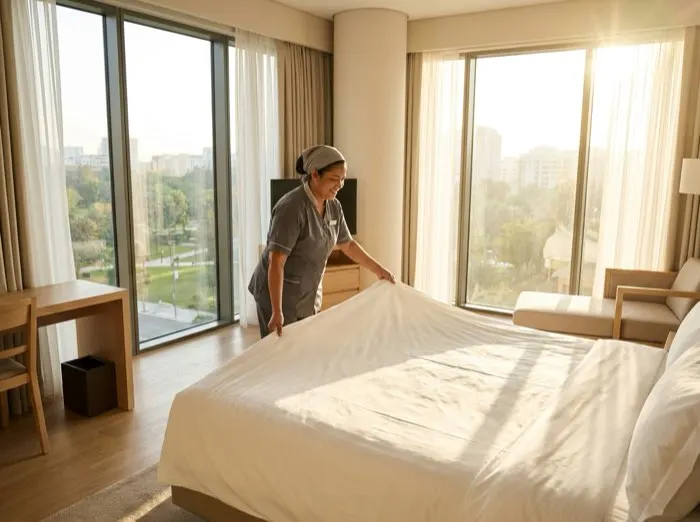
If you are a hospitality worker from outside the European Union, Germany wants your skills. Hotel groups, family resorts, and restaurant chains across the country face a massive shortage of workers. The German Hotel and Restaurant Association (DEHOGA) continuously reports thousands of unfilled positions in every state. Whether you work in housekeeping, food service, front desk operations, or the kitchen, Germany has direct immigration pathways for you in 2026.
You do not need to be an EU citizen to get hired, but you must follow clear immigration procedures. This guide breaks down exactly where the jobs are located in Germany, which certificates you need, how much you will earn after taxes, and how the visa rules apply to your situation.
Where the Hospitality Jobs Are in Germany
Hospitality hiring in Germany is spread across specific regions based on tourism and business activity. Knowing where employers are searching helps you target the right locations.
- Bavaria and the Alps: Southern regions around Garmisch-Partenkirchen, Oberstdorf, and Berchtesgaden have massive year-round hotel industries. Munich also has high demand for luxury hotel staff and conference venue personnel.
- The Northern Coasts: The Baltic Sea coast (including the islands of Rügen and Usedom) and the North Sea coast (such as Sylt) hire heavily for resort hotels, seaside restaurants, and holiday apartments.
- The Black Forest (Schwarzwald): Towns like Baden-Baden and Freudenstadt are famous for wellness hotels, spa resorts, and traditional dining establishments that need kitchen and front-of-house workers.
- Major Business Hubs: Cities like Frankfurt, Berlin, Hamburg, Düsseldorf, and Cologne need hotel receptionists, event coordinators, and restaurant staff year-round to support international trade fairs, corporate travel, and weekend tourism.
German Visa Routes for Hospitality Workers in 2026
To work legally in Germany as a non-EU citizen, you need a work permit tied to a recognized visa route under the German Skilled Immigration Act (Fachkräfteeinwanderungsgesetz).
- Skilled Worker Visa (Recognised Qualification): If you hold a formal degree or vocational qualification in hotel management or culinary arts that is officially recognised in Germany, you can receive a regular skilled worker visa. The official body IHK FOSA evaluates vocational training certificates from outside the EU.
- Work Visa Based on Practical Experience: If you do not have a formally recognised degree, you can still get a work visa if you have at least two years of relevant professional experience in hospitality and a job offer from a German employer that meets specific wage thresholds set by the Federal Employment Agency (Bundesagentur für Arbeit).
- Opportunity Card (Chancenkarte): This points-based visa allows you to enter Germany for up to one year to search for a job on the ground. Points are awarded for your recognized qualifications, language skills in German or English, work experience, and age. While holding a Chancenkarte, you are permitted to work part-time or do trial working weeks with potential employers.
- Vocational Training Visa (Ausbildung): If you want to learn the trade from scratch, you can apply for an Ausbildung as a Hotelfachmann/frau (Hotel Specialist), Restaurantfachmann/frau (Restaurant Specialist), or Koch/Köchin (Chef). This is a paid 3-year dual work-and-study program.
Mandatory Licences, Hygiene Certificates, and Language Levels
German hospitality regulations are strict about hygiene and qualifications. Having these details ready will speed up your application process.
- Hygiene Certificate (Belehrung nach dem Infektionsschutzgesetz): Anyone handling food or working in kitchens and dining areas in Germany must complete a official health orientation under Section 43 of the Infection Protection Act. This certificate is issued by the local municipal health office (Gesundheitsamt) after you attend a short instruction session on safe food handling. Many employers will schedule this for you during your first week, but knowing what it is shows you understand German rules.
- German Language Requirements: While some luxury back-of-house or kitchen roles accept English, most German hospitality employers expect functional German. For front desk and reception roles, you generally need level B2 German. For food service and bartending, level B1 is standard. For housekeeping, kitchen porters, or dishwashers, basic German (level A2) is often accepted if you show a strong willingness to learn.
- Specialist Trade Titles: Recognised trade titles in Germany include Hotelfachmann/-frau (hotel operations all-rounder), Restaurantfachmann/-frau (table service and bar specialist), and Systemgastronomie-Fachmann/-frau (fast-casual and chain restaurant management). Matching your past job titles to these German equivalents helps recruiters understand your profile immediately.
Hospitality Pay Rates and Tax Classes in Germany
Pay in the German hospitality sector is heavily governed by collective bargaining agreements (Tarifverträge) negotiated between unions and DEHOGA. Pay rates vary slightly between federal states, with Western and Southern states generally paying higher base rates than Eastern states.
- Gross Hourly Wages: In 2026, entry-level hospitality roles (such as housekeeping staff or kitchen assistants) earn between 13.50 Euro and 15.00 Euro per hour gross. Skilled roles like qualified chefs, shift leaders, or front office agents earn between 15.50 Euro and 20.00 Euro per hour gross.
- Monthly Net Salary: After tax and social security deductions (health insurance, pension, nursing care, and unemployment insurance), a full-time hospitality worker earning 2,400 Euro gross per month will typically take home between 1,550 Euro and 1,750 Euro net. Your exact net pay depends on your official tax class (Steuerklasse). Single workers without children are in Tax Class 1, while married workers whose spouses earn less may be in Tax Class 3, which results in lower monthly tax deductions.
- Night and Holiday Surcharges (Zuschläge): Hours worked late at night, on Sundays, or on public holidays often receive tax-free bonus surcharges under German labor laws.
- Tips (Trinkgeld): In Germany, cash tips given directly by customers to service staff are completely tax-free. In busy restaurants and tourist hotels, tips can add several hundred Euros of tax-free cash to your monthly income.
Hiring Cycles and Seasonal Work Patterns
Timing your application to match the hiring cycles of German regions gives you a higher chance of getting hired quickly.
- Summer Season (May to October): Hiring for coastal resorts, lake districts, outdoor beer gardens, and mountain hiking destinations begins early in the year, between January and March. Employers like to finalize work permits well before May.
- Winter Season (December to March): Alpine ski resorts in Bavaria start recruiting in August, September, and October for the winter surge. Many mountain hotels offer seasonal accommodation on-site for international staff.
- Year-Round Hiring: City hotels in Berlin, Munich, Frankfurt, Hamburg, and Leipzig recruit continuously throughout the year to manage business travel, international trade fairs (Messen), and city tourism.
Reality Check: Common Misconceptions About Germany
Avoid these common mistakes that delay foreign hospitality workers trying to reach Germany:
- Expecting English to be enough everywhere: Unless you are working in a highly international hostel or behind the scenes in a major chain hotel, guest communication in Germany happens in German. Learning basic conversational German before applying dramatically increases your job responses.
- Assuming you can arrive first and find a regular work visa later: Unless you hold an Opportunity Card (Chancenkarte) or a visa-free nationality for job searches, you cannot enter Germany on a standard tourist visa and convert it into a full work permit inside the country. You must secure the job offer and obtain your visa approval before moving.
- Underestimating processing times: Official visa processing and qualification recognition through German embassies and the Federal Employment Agency can take between 2 to 5 months. Start your preparations early ahead of the seasonal start dates.
- Forgetting accommodation costs: In major cities like Munich or Frankfurt, renting an apartment can absorb a large portion of your monthly net income. Look for regional employers or mountain resorts that explicitly offer staff accommodation (Personalzimmer) included or discounted from your contract.
How to Update Your Workuro Profile for German Employers
German hotel managers and recruitment agencies search Workuro to find reliable foreign candidates. To stand out to German recruiters, make sure your Workuro profile clearly highlights the specific details they look for.
Add your exact language proficiency levels using the European framework (A1 to C2) for German and English. Specify the exact hospitality job titles you have performed, such as food and beverage service, housekeeping supervision, cold kitchen preparation, or front desk management. List the German federal states or regions you prefer to work in, such as Bavaria, Baden-Württemberg, or the Baltic Coast. Finally, state whether you hold a completed vocational certificate in your home country and if you are ready to obtain the German health office hygiene certificate upon arrival. A detailed profile gives employers complete confidence to reach out to you directly.
নিয়োগকর্তাদের নজরে আসতে প্রস্তুত?
২ মিনিটে আপনার প্রোফাইল তৈরি করুন। ফ্রি, কোনো ক্রেডিট কার্ড লাগবে না।
আরও পড়ুন