Caregiver and Elderly Care Worker Jobs in Iceland for Foreign Workers (2026)
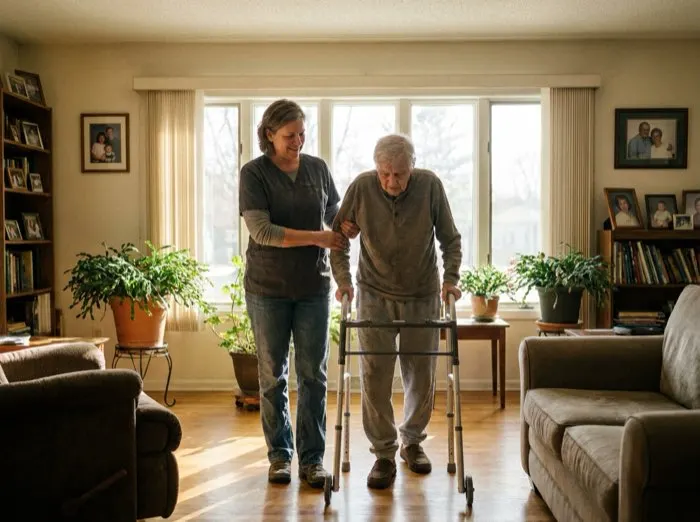
Iceland has a growing elderly population and a constant need for hands-on care staff in nursing homes, municipal group homes, and home care services. However, if you are applying from outside the European Union or European Economic Area, you must understand the legal reality before spending months sending applications. Iceland has strict immigration laws. Work permits for non-EU citizens are only granted when an employer can prove that no Icelandic or EU/EEA citizen is available to fill the job.
For entry-level care assistants without formal nursing qualifications, getting a non-EU work permit in Iceland is extremely difficult. If you do not hold a formal practical nursing diploma or registered nurse degree, your chances of securing a visa for Iceland are small. If you want a more direct entry pathway into European care work as an uncertified non-EU candidate, you should consider Germany, Finland, or Austria instead. Those countries have dedicated visa routes, vocational training programs, and shortage lists for general care assistants. If you are a qualified practical nurse or registered nurse willing to complete the licensing process, Iceland remains a viable destination with excellent wages and work conditions.
1. The Caregiver Landscape in Iceland: Key Regions and Workplaces
Care facilities in Iceland operate primarily through municipal funding, state-backed healthcare institutions, and independent non-profit organizations. Demand is concentrated in urban centers, though rural towns often face the most acute staffing shortages.
Care work in Iceland falls into three primary geographic areas:
- Höfuðborgarsvæðið (Greater Reykjavík area): This region includes Reykjavík, Kópavogur, Hafnarfjörður, and Garðabær. It contains the largest concentration of nursing homes (*hjúkrunarheimili*) and municipal home care units (*heimamaður* / *heimilísþjónusta*). Demand is steady year-round due to large facility sizes.
- Norðurland Eystra (Akureyri and surrounding areas): Akureyri is the regional hub of the north. Facilities here provide residential elderly care and localized home support. They rely heavily on stable, long-term staff.
- Suðurnes and Rural Regions: Municipalities like Reykjanesbær, alongside small communities in the Westfjords (*Vestfirðir*) and Eastfjords (*Austfirðir*), frequently struggle to retain staff. Rural care homes are sometimes more open to supporting foreign work permit applications because local recruitment pools are very small.
Elderly care in Iceland is centered around small-group living units within larger nursing homes, emphasizing dignity, personal autonomy, and active social routines for residents. Staff members do not simply carry out medical tasks; they assist with bathing, dressing, daily mobility, meals, and social engagement.
2. Licensing and Qualification Pathways: Sjúkraliði vs. Care Assistant
To work legally in Icelandic care facilities, your job role and visa eligibility depend entirely on whether your qualification is recognized by the Icelandic health authorities.
Care positions are strictly divided into two professional categories:
- Sjúkraliði (Licensed Practical Nurse): A recognized healthcare profession in Iceland. To work as a *sjúkraliði*, you must hold a formal secondary or post-secondary diploma in practical nursing and receive an official practice license (*starfsleyfi*) from the Directorate of Health (*Embætti landlæknis*). If you qualified outside the EU, *Embætti landlæknis* will review your curriculum, course hours, and clinical training. Obtaining this license is the single most effective way to secure a skilled work permit.
- Ósérhæft starfsfólk / Umönnunarfólk (Care Assistant / Support Worker): These roles involve basic personal care, feeding, cleaning, and companionship. They do not require a professional license from *Embætti landlæknis*. However, because this is classified as lower-skilled labor, Icelandic immigration rarely issues non-EU work permits for these positions unless exceptional regional shortages are proven by the employer.
If you hold a bachelor degree in nursing from outside Europe, you can apply for recognition as a registered nurse (*hjúkrunarfræðingur*). However, if your nursing license takes time to process, many foreign nurses initially apply for recognition as a *sjúkraliði* to enter the workforce faster.
3. Non-EU Work Permits and the Legal Process
Foreign workers from outside the EU/EEA cannot simply move to Iceland and look for a job. You must have a binding employment contract and an approved work permit before you enter the country.
The work permit process involves two main government entities: the Directorate of Labor (*Vinnumálastofnun*) and the Directorate of Immigration (*Útlendingastofnun*). The steps follow a precise order:
- Labor Market Advertising: The employer must advertise the open position on local Icelandic employment databases and across the EU/EEA via EURES for at least four weeks. Only if no suitable candidate applies from within the European area can the employer offer the job to a non-EU worker.
- Work Permit Application: The employer submits the work permit application to *Vinnumálastofnun*. For qualified healthcare roles like *sjúkraliði*, the employer applies under the permit category for workers with specialized skills or qualified professionals.
- Residence Permit Approval: Once *Vinnumálastofnun* approves the economic need, *Útlendingastofnun* processes the residence permit based on employment. You must remain in your home country until this processing is completely finished.
- Contract Length: First-time temporary work permits are typically granted for one to two years and are tied directly to the specific employer who sponsored you.
4. Pay Rates, Union Rules, and Net Income in 2026
Every worker in Iceland is covered by a collective bargaining agreement (*kjarasamningur*). Employers cannot legally pay you less than the minimum wage established by the relevant labor union. Your job title and region determine which union represents you.
Care workers belong to major national unions:
- Sjúkraliðafélag Íslands (SLFÍ): The union representing licensed practical nurses.
- Efling Union: Represents general healthcare support staff, care assistants, and cleaning staff in Reykjavík and the southern region.
- Sameyki: Represents public sector workers in municipal and state care homes.
Base monthly salaries for practical nurses (*sjúkraliðar*) range between 480,000 ISK and 580,000 ISK gross per month for full-time work (36 to 40 hours per week). General care assistants earn a base gross salary of roughly 430,000 ISK to 490,000 ISK per month.
However, total earnings in Icelandic care homes depend heavily on shift supplements (*vaktatálag*):
- Evening and Shift Bonuses: Working evening shifts adds a 33% to 42% supplement to your hourly rate. Night shifts and weekend work add 45% to 65% extra per hour.
- Total Gross Monthly Pay: With regular shift work, full-time care staff generally take home gross monthly pay between 550,000 ISK and 680,000 ISK.
- Net Monthly Pay After Tax: Iceland operates a progressive income tax system with a personal tax credit (*persónuafsláttur*). After income tax (roughly 31.4% on the lowest bracket) and union dues, a full-time care worker earns a typical net monthly income of 380,000 ISK to 480,000 ISK (approximately 2,500 EUR to 3,200 EUR).
5. Reality Check: Common Mistakes Non-EU Applicants Make
Many job seekers waste time and money because they misunderstand how immigration and employment work in Iceland. Keep these realities in mind:
- Arriving on a tourist visa to search for work: It is illegal to convert a tourist visa or visa-free tourist stay into a work permit inside Iceland. You will be rejected and required to leave the country.
- Expecting employers to hire uncertified staff from abroad: Icelandic care homes rarely sponsor non-EU visas for basic, entry-level care assistants because the labor market test requirement (*Vinnumálastofnun*) cannot be cleared easily for general roles.
- Assuming English is enough for long-term care: While almost everyone in Iceland speaks fluent English, nursing home residents are often elderly individuals living with dementia. They need care providers who speak Icelandic. Employers expect you to commit to learning the language immediately.
- Ignoring professional license timelines: Applying to *Embætti landlæknis* for practical nurse license recognition takes anywhere from 3 to 9 months. You cannot start a skilled visa application until your qualification paperwork is officially processed.
6. Language Expectations and Hiring Cycles
Language skills are critical for safety and resident well-being. Care facilities usually require new foreign hires to achieve an intermediate level of Icelandic (B1 level) within their first year or two of work. Municipalities often subsidize language courses, and unions like Efling reimburse a significant portion of course fees for their members.
Regarding recruitment cycles, recruitment in Icelandic elderly care runs year-round due to operational needs, but there is one major seasonal pattern:
- Summer Relief Hiring (Sumarafleysingar): Every spring, care homes recruit temporary workers for the summer period (May through September) to cover regular staff holidays. While summer jobs are often filled by local students or EU citizens who do not need work permits, doing a summer relief contract as a licensed practical nurse can sometimes lead to a permanent, visa-sponsored job offer for the autumn.
- Main Recruitment Windows: Regular full-time positions are posted continuously throughout the year on official platforms like Alfreð, Starfatorg (public sector jobs), and direct municipal portal pages.
7. Put Your Specifics into Your Workuro Profile
To give yourself the best chance of being noticed by European care providers and Icelandic healthcare recruiters, your public professional profile must contain accurate, specific details about your qualifications and readiness.
Make sure to update your Workuro profile with the following exact details:
- Licensing Status: Specify whether you hold an official decision or pending application with *Embætti landlæknis* (Directorate of Health), or state clearly if you hold a formal diploma in practical nursing (*Sjúkraliði* equivalent).
- Target Location Preferences: Indicate whether you are open to working outside capital cities, such as Akureyri, Suðurnes, or rural municipalities where staffing needs are urgent.
- Language Capabilities: List your current level of English, along with any basic Icelandic skills or formal commitments to undertake Icelandic language training.
- Workplace Readiness: List your shift flexibility (day, evening, night shifts) and direct clinical experience in elderly care, dementia support, or home assistance.
Employers look for complete, realistic profiles. By entering your real qualifications and exact target regions into Workuro, you ensure that matching care facilities can locate your profile and reach out directly.
¿Listo para que te encuentren?
Crea tu perfil en 2 minutos. Gratis, sin tarjeta de crédito.
Sigue leyendo