Security Guard Jobs in Spain for Foreign Workers (2026)
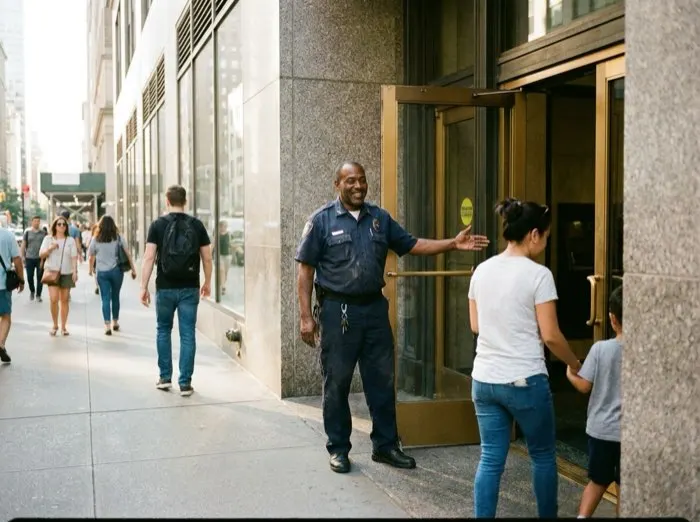
If you want to move to Spain from outside the European Union to work as a security guard, you need a clear plan. Spain has a strong demand for security personnel in logistics parks, coastal resorts, and major transport hubs. However, private security in Spain is strictly regulated by government authorities. You cannot simply walk onto a job site and start working.
To work legally in Spain as a security guard (known locally as a vigilante de seguridad), you must hold a national professional identity card called the TIP. Getting this card requires training, passing physical tests, and holding a valid work permit. If you are applying from South Asia, Africa, Latin America, Central Asia, or the Balkans, you must understand both the legal visa routes and the qualification steps before you make your move.
1. The reality of security guard demand in Spain
The job market for security guards in Spain is active, but it is not an entry-level field for undocumented workers. Spanish law treats private security as an extension of public safety. Because of this, every guard must be officially registered with the police.
Demand varies heavily depending on the region and the time of year. Spain relies on security personnel to protect high-value infrastructure, distribution centres, commercial ports, and tourist destinations. Employers frequently search for reliable staff, but they cannot legally hire you until you meet official licensing requirements.
If you are looking for an immediate, low-barrier job while waiting for visa paperwork, security guarding is harder to enter than agricultural or hospitality work. But if you are willing to learn Spanish, pass the required exams, and secure a proper work visa, it offers stable, long-term employment governed by strict national labor laws.
2. Key regions and hiring cycles for guards
Security hiring in Spain is concentrated in specific industrial areas, major cities, and coastal zones. Understanding where the jobs are will help you target your applications effectively.
- Madrid Metropolitan Area: The capital region is the largest employer of security guards in the country. Key hiring hubs include logistics centers in Coslada and San Fernando de Henares, corporate headquarters along Paseo de la Castellana, and retail complexes across the city. Hiring here stays steady throughout the entire year.
- Catalonia (Barcelona): Barcelona has high demand for security guards in the Port of Barcelona, the Zona Franca industrial park, and at major conference venues like Fira de Barcelona. Public transport security and retail guarding also offer steady, year-round contract work.
- Costa del Sol (Malaga and Marbella): This southern coastal region sees a massive surge in hiring from April to October. Luxury hotels, private residential estates (urbanizaciones), and marina facilities hire extra staff for the summer tourist season.
- Bay of Algeciras and Valencia: These major shipping ports require specialized maritime security guards to protect cargo, containers, and international shipping lanes year-round.
- Basque Country (Bilbao and San Sebastian): Industrial plants, steelworks, and technology parks in northern Spain hire security guards for industrial protection, with strong union representation and stable schedules.
3. The TIP licence and mandatory qualifications
You cannot work as a security guard in Spain using a security certificate from your home country. Every guard must hold the Tarjeta de Identidad Profesional (TIP), which is issued by the Policía Nacional under the authority of the Ministerio del Interior.
To obtain a TIP card, you must complete several mandatory steps:
- Accredited Training: You must complete a 180-hour training course at a security academy certified by the Spanish government. This course covers Spanish security law, basic defense tactics, fire safety, and first aid.
- Physical and Psychological Fitness: You must pass physical fitness tests administered by the police, including a short sprint, a pull-up or push-up test, and a vertical jump. You must also pass a psychological evaluation.
- Official Police Exam: After finishing your course, you must pass the official national exam set by the Policía Nacional. The exam consists of a written theory test on security regulations.
- Background Check: You must provide an official, clean criminal record certificate from your home country, issued within the last three to six months. This document must be legalized or apostilled and translated into Spanish by an sworn translator.
- Language Level: The training course, written exam, and daily work are entirely in Spanish. You need at least a solid B1 to B2 level of spoken and written Spanish to pass the tests and perform the job safely.
4. Pay rates and collective bargaining rules
Pay rates for private security guards in Spain are set by a national collective bargaining agreement called the Convenio Colectivo Estatal de Empresas de Seguridad Privada. This law sets minimum wage floors across the country, so employers cannot pay you below the legal standard.
- Standard Net Monthly Salary: A full-time security guard working a standard 162-hour monthly schedule can expect to earn between €1,100 and €1,350 net per month after taxes and social security deductions.
- Night and Weekend Bonuses: Working night shifts (between 10:00 PM and 6:00 AM) or working on public holidays adds extra pay to your base wage (known as plus de nocturnidad and plus de festividad). With regular night shifts, net monthly pay reaches €1,400 to €1,600.
- Specialized Roles: Guards with specialized endorsements, such as those working in airport security, maritime ports, or cash-in-transit (transporte de fondos), earn extra monthly bonuses.
- Annual Payments: Spanish contracts usually distribute your annual pay across 14 monthly payments per year, giving you extra payments in July and December, though some companies spread these payments evenly across 12 months.
5. Reality check: Common mistakes foreign workers make
Many foreign job seekers make costly errors when researching security jobs in Spain. Read these common misunderstandings so you do not waste time or money.
- Myth 1: An English-only worker can easily get hired. Reality: You cannot pass the official police exam or work with Spanish emergency services without speaking fluent, basic Spanish.
- Myth 2: A security licence from another country transfers to Spain. Reality: Spain does not recognize foreign private security licences. Everyone must complete Spanish training and pass the Policía Nacional exams.
- Myth 3: You can work in security while waiting for your visa on a tourist entry. Reality: Working in security without a valid work visa and a registered TIP card is illegal. Security firms face extreme legal fines for employing unlicenced personnel, so legitimate companies will not risk hiring off-the-books staff.
- Myth 4: You can complete the TIP process entirely online from abroad. Reality: While you can start learning Spanish and preparing your criminal record documents at home, the physical tests and official police examinations must be taken in person in Spain.
6. Work permit pathways for non-EU citizens
Because security guard roles require local licencing, non-EU candidates must use specific legal routes to obtain work authorization in Spain.
- Employer Sponsorship: An employer can sponsor your initial work permit (autorización de residencia y trabajo por cuenta ajena) if they can demonstrate that the position could not be filled by a local candidate. This route works best if you have additional specialist skills, such as advanced technical surveillance training or airport security credentials.
- Initial Residence with Work Authorization: Candidates who obtain residency through other legal channels (such as family ties, long-term visas, or student visa conversions after finishing studies) can enroll in a certified security academy, obtain their TIP card, and transition immediately into full-time security employment.
- Seasonal Contracts: In high-demand coastal zones like Malaga or Alicante, temporary seasonal contracts are sometimes linked to organized worker mobility agreements, though these are more common in agriculture and tourism than in private security.
7. Build your Workuro profile to get noticed
Spanish employers and international recruitment agencies search Workuro to find reliable foreign candidates. To stand out to companies hiring for security and facility management roles, make sure your profile contains precise, practical details.
When you create or update your Workuro profile, be sure to include:
- Your exact Spanish language level: State clearly if you are beginner, intermediate, or fluent. Employers look for candidates who are ready to take courses in Spanish.
- Specific regions you can relocate to: Name target employment areas like Madrid, Barcelona, Malaga, Algeciras, or Valencia.
- Background check readiness: Mention if you already hold a clean, apostilled criminal record check from your home country.
- Relevant background skills: List any past military service, police background, first-aid certifications, or technical experience with CCTV systems and access control software.
A complete profile with clear information helps Spanish employers evaluate your candidate status quickly and reach out with realistic job pathways.
¿Listo para que te encuentren?
Crea tu perfil en 2 minutos. Gratis, sin tarjeta de crédito.
Sigue leyendo