Working in Croatia from Algeria: Visa, Permit, Costs (2026)

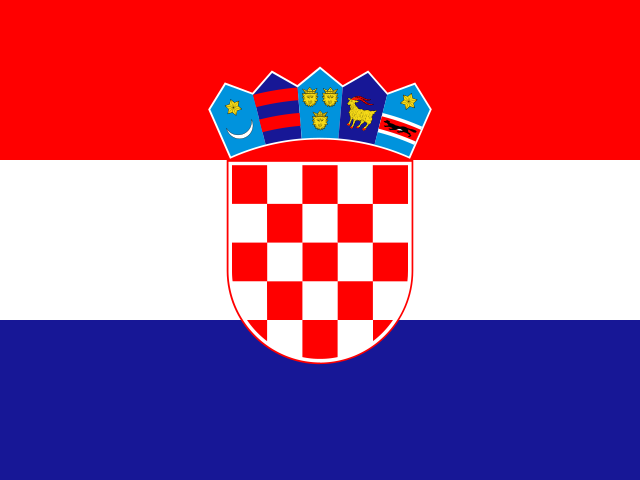 Croatia
 joined the Schengen area in 2023 and has a growing need for foreign labour in tourism and construction, but be clear-eyed: there is no established pipeline of Algerian workers moving to Croatia for ordinary trade jobs, and Croatia likely has no embassy of its own in Algeria. If you are flexible on destination and your goal is simply legal construction or hospitality work in Europe, France remains the far more travelled road for Algerian tradespeople. If Croatia is still your target - for a specific job offer, or because you want less competition for a foreign-worker spot - go in prepared for extra travel and paperwork.
The route is Croatia's single permit, dozvola za boravak i rad (residence and work permit). The Croatian employer applies first through the Croatian Employment Service (Hrvatski zavod za zapošljavanje, HZZ), which checks the labour market need for your occupation before the application for your own permit can proceed. Croatia moved away from a fixed annual quota system in 2021, so applications are assessed year-round against current labour market needs rather than against a hard yearly cap.
Where you apply, likely without a local embassy
If Croatia has no embassy in Algeria, which is likely, you will apply through the nearest Croatian embassy or visa centre serving Algeria - confirm this directly with your employer or a verified recruitment contact rather than assuming, since representation arrangements vary and can change.
Algeria is not a member of the Hague Apostille Convention, so your police clearance certificate and qualification documents will need full consular legalisation rather than a simple apostille. This step is typically the slowest in the whole process, so start it as soon as you have a signed offer. You will also need your contract, a passport valid well beyond your planned stay, proof of trade experience, and health insurance valid for Croatia.
Fees and what to expect on timing
Croatian authorities set and periodically revise their own visa and permit fees, so confirm the current amount with whichever embassy or visa centre handles your file. As a rough guide, the combined HZZ labour market check and residence permit decision can take a few months, longer where document legalisation adds extra time. Ask for a written estimate rather than assuming a fixed timeline.
What this will cost you
Budget for the police clearance fee, legalisation costs (likely your largest single expense given Algeria's position outside the Apostille Convention), a medical exam if required, certified translation into Croatian, travel to the city handling your visa appointment, and your flight to Croatia. Altogether, origin-side costs for Algerian applicants commonly run somewhere between 60,000 and 130,000 DZD (roughly 400 to 850 euros), though your actual total depends heavily on travel distance and the number of documents needing legalisation and translation. Treat this as a rough range, not a quoted price.
The dinar's real exchange rate can differ from the official one, so confirm any euro figure directly with the embassy or visa centre rather than converting at a rate you found online. Keep receipts for the legalisation, translation and medical fees organised together, since a clear paper trail helps if you are asked to show how the application was funded.
In most EU countries, the employer carries recruitment costs - a worker should not be charged for the job itself. Confirm the exact rule for Croatia before paying anyone. Algerian jobseekers are sometimes approached by agents online promising a guaranteed Croatian seasonal contract for an upfront fee before any real employer exists - treat that pattern as a clear warning sign, not a shortcut worth paying for.
Where Croatia is actually hiring
Croatia's Adriatic coast needs hospitality staff - kitchen workers, housekeeping and front-of-house roles - heavily in the tourist season from spring through autumn. Construction firms nationwide report ongoing shortages of skilled tradespeople, particularly concrete and formwork workers. Agricultural work also opens seasonally inland, though contracts tend to be short and pay is never something a recruiter can honestly guarantee - get any figure written into your contract.
A genuine opening names the town, the season and a wage range you can check for yourself; a contact who only promises "good money on the coast" without any of that detail is worth doubting before you send them anything.
Settling in once you arrive
Croatian has no real connection to Arabic or French, so plan to learn it seriously rather than hoping English carries you through daily life. Coastal hospitality jobs often run partly in English because of the tourist trade, but construction sites and daily errands - the pharmacy, the bank, your landlord - will mostly be in Croatian.
Algeria and Croatia both drive on the right, so licence conversion for driving trades should be a paperwork matter. The climate is actually one of the easier adjustments here: Croatia's Mediterranean coast has summers not far from what you already know, though winters inland are colder than most of Algeria's coastal cities.
Myths vs facts
Myth: Croatia still has a hard annual quota that blocks most applications. Fact: Croatia moved to year-round assessment against labour market needs in 2021, though demand still varies by sector and season.
Myth: A notarised document from an Algerian notary is accepted directly in Croatia. Fact: because Algeria is outside the Apostille Convention, full consular legalisation is required instead.
Myth: Seasonal tourism jobs in Croatia do not require a real work permit. Fact: seasonal work still needs the proper residence and work permit process - it is not an informal arrangement.
Myth: An agent who already has your passport scan can guarantee your Croatian visa. Fact: only the Croatian authorities decide on the permit, and no agent can guarantee that outcome.
Myth: Once hired, your spouse and children can move with you right away. Fact: family reunification is a separate application with its own conditions - confirm the current requirements with whichever embassy or visa centre handles your file.
Before you sign
- Confirm which Croatian embassy or visa centre currently serves applicants from Algeria.
- Start legalising your police clearance and qualification documents as soon as you have a written offer.
- Ask the employer for proof the HZZ labour market check has been filed.
- Get a current, written fee schedule from the handling embassy or visa centre.
- Refuse to pay anyone before a signed contract with a real, verifiable employer exists.
Put this on your Workuro profile
Name your trade clearly, list your French, Arabic, English or any Croatian you are learning, and mention that you understand the legalisation requirement and are already working through it - that detail tells an employer your file is further along than most. Workuro is free for workers - employers pay to search the register, and nobody may charge you for a job.
Prêt à vous faire remarquer ?
Créez votre profil en 2 minutes. Gratuit, sans carte bancaire.
Continuer la lecture
