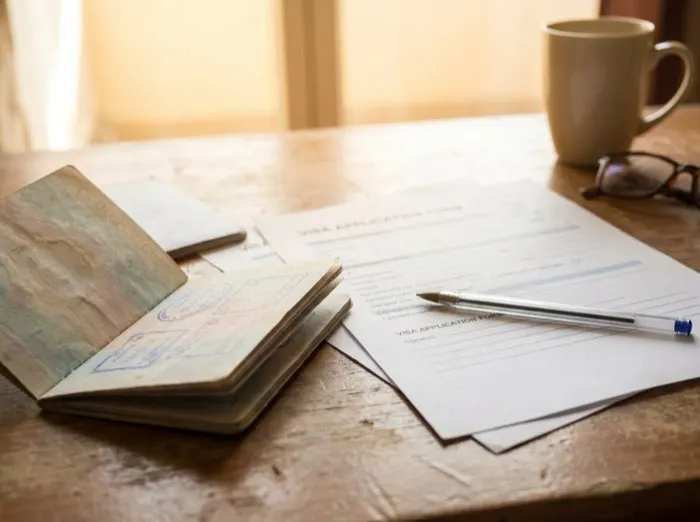
Working in the Netherlands from India: Visa, Costs & Rules (2026)

 Netherlands
Is the Netherlands realistic for Indian trade workers?
Moving from India to the Netherlands for a skilled or manual trade job is possible, but it requires understanding how the Dutch migration system operates. The Netherlands has a strong economy and a shortage of technical workers, but it also maintains strict regulations to protect workers and control immigration. For a standard job, a Dutch employer must first prove to the Dutch Employee Insurance Agency, known locally as the UWV (Uitvoeringsinstituut Werknemersverzekeringen), that no suitable candidate could be found within the Netherlands or the European Economic Area. This labor market test takes time and effort from the employer side.
Because of this rule, Dutch companies usually recruit candidates from India for roles that require specific trade certifications, technical skills, or proven experience. If you are looking for entry-level manual work with no prior training, the Netherlands can be a difficult destination to enter directly from India, and countries in Central Europe like Poland or Croatia may offer faster routes. However, if you have verified trade skills, the Netherlands offers safe working conditions, fair treatment, and excellent legal protection. Dutch employers currently hire foreign workers for specific trade shortages:
- Certified pipe and structural welders: Dutch maritime engineering firms and industrial manufacturing yards actively hire qualified TIG and MIG welders with recognized international trade certificates.
- Solar panel installers and electricians: The energy transition in the Netherlands creates continuous demand for skilled electrical technicians and roof installation workers.
- Heavy machinery operators and mechanics: Commercial infrastructure and civil engineering projects across Dutch cities regularly recruit experienced crane operators and diesel mechanics.
The main visa route: GVVA and MVV
To live and work legally in the Netherlands for longer than 90 days as a trade worker, you need a single combined permit. In the Netherlands, this permit is officially called the GVVA (Gecombineerde vergunning voor verblijf en arbeid). This document combines your residence permit and your work authorization into one process.
A crucial rule to remember is that you cannot apply for the GVVA permit on your own. The recruitment process starts entirely on the Netherlands side. Your prospective Dutch employer must initiate the application first by submitting a request directly to the Dutch Immigration and Naturalisation Service, known as the IND (Immigratie- en Naturalisatiedienst).
The IND reviews your employer's application, checks the job contract, and consults with the UWV regarding labor market conditions. This initial IND processing phase typically takes approximately 5 to 13 weeks. Once the IND approves the application, they send an official approval notification letter to your employer. Only after this approval is granted can you collect your entry visa in India. This entry visa is called an MVV (Machtiging tot voorlopig verblijf). The MVV sticker is placed inside your Indian passport so you can enter the Netherlands legally to pick up your residence card.
Submission, documents, and the MEA Apostille
Once your employer receives the positive decision letter from the IND, you must arrange your visa collection appointment in India. You will submit your passport and biometrics at the official visa partner, VFS Global. VFS operates Netherlands visa application centres in major Indian cities, including New Delhi, Mumbai, Bengaluru, Chennai, and Kolkata, or at the nearest Netherlands visa centre serving India.
During your appointment at VFS Global, staff will scan your fingerprints, capture your photo, take your passport, and verify your document file. Processing the MVV sticker at the visa centre usually takes approximately 1 to 3 weeks.
Because India and the Netherlands are both members of the Hague Apostille Convention, your official Indian personal documents must go through legalisation before Dutch authorities will accept them. In India, this procedure is called the MEA Apostille, issued by the Ministry of External Affairs. You will need to prepare the following typical documents:
- Valid Indian passport: Your passport must be valid for at least 12 months beyond your travel date and contain at least two blank visa pages.
- Signed employment contract: A binding job contract signed by both you and your Dutch employer, stating your gross salary, work hours, and job title.
- Police Clearance Certificate (PCC): Issued by your local Regional Passport Office (RPO) in India, not a local neighborhood police station. This PCC must have an official MEA Apostille sticker attached.
- Trade certificates and marksheets: Your vocational diplomas, trade test results, or work experience certificates, verified and apostilled by the MEA in India.
- Tuberculosis test declaration: Indian citizens moving to the Netherlands must sign a form agreeing to undergo a medical TB test at a Dutch public health office (GGD) within three months of arrival.
- Passport photographs: Recent passport photos that meet exact Dutch visa specifications.
Costs in India and legal placement rules
Official government application fees for the GVVA permit are set directly by the Netherlands government and are generally paid directly to the IND by your Dutch employer. Always check the official IND portal for current official rates. However, you will have personal preparation expenses on the India side. Here is a realistic overview of costs you should expect to cover yourself:
- Indian Police Clearance Certificate: Issued by the RPO, costing approximately 500 to 1,500 INR (6 to 18 EUR).
- Document authentication and MEA Apostille: Costs vary depending on document service agencies, running approximately 2,000 to 6,000 INR (22 to 67 EUR) per document.
- Medical examination (if requested): Pre-departure medical checks cost approximately 3,000 to 7,000 INR (33 to 78 EUR).
- VFS Global service fee and MVV processing: Collecting your visa sticker in India costs approximately 18,000 to 25,000 INR (200 to 280 EUR).
- Flight to the Netherlands: A single flight from India to Amsterdam Schiphol Airport costs approximately 35,000 to 65,000 INR (390 to 720 EUR), though many genuine employers reimburse this cost upon arrival.
It is vital to understand recruitment rules regarding placement fees. Under Dutch employment laws and European Union standards, no recruitment agency, agent, or employer is legally permitted to charge a worker money for giving them a job or issuing a work permit. Your employer carries all recruitment expenses. Be extremely careful with agents in India who ask for lakhs of rupees as a processing fee or job deposit. Scammers frequently create fake IND approval letters or fake employment contracts. Always ask for a direct reference number from the IND and verify it before paying for document preparation.
Myths vs facts
- Myth: You can travel to the Netherlands on a tourist visa and convert it into a work permit after finding an employer.
- Fact: Working on a tourist visa is illegal in the Netherlands, and you must return to India to process your MVV entry visa through VFS.
- Myth: You must pay an agency in Delhi or Mumbai a fee of 5,000 EUR to buy a Dutch work visa.
- Fact: Dutch law prohibits charging workers placement fees, and legitimate Dutch employers pay all official visa costs directly to the IND.
- Myth: Any standard police certificate from your local neighborhood police station will be accepted in the Netherlands.
- Fact: You must obtain your PCC through the Regional Passport Office and get it legalised with an MEA Apostille sticker.
- Myth: You must speak fluent Dutch before you can apply for a trade job in the Netherlands.
- Fact: While basic Dutch helps in daily life, many technical, industrial, and construction workplaces in the Netherlands operate primarily in English.
Before you sign
Before you sign any job contract or pay for document processing, complete this safety checklist:
- Verify that the employer is registered in the Dutch Chamber of Commerce commercial register (Kamer van Koophandel or KVK).
- Confirm that your salary meets or exceeds the official Dutch statutory minimum wage, along with mandatory holiday pay (Vakantiegeld), which is at least 8 percent of your gross earnings.
- Ensure the contract states working hours, overtime payment rules, paid leave allowances, and rest periods clearly.
- Ask your employer about accommodation assistance, as the Netherlands has a severe national housing shortage and finding a place to live before you land is essential.
- Never hand over your original passport or original qualification documents to an agent or broker.
Build your Workuro profile today
If you want genuine Dutch employers to find you legally, create a complete profile on Workuro. Make sure you highlight your trade skills, upload your work certificates, indicate your level of English communication, and confirm that your Indian passport and police clearance are ready for MEA apostille. Having these details clear makes it easy for employers in the Netherlands to assess your file and start the IND application quickly. Workuro is free for workers - employers pay to search the register, and nobody may charge you for a job.
Prêt à vous faire remarquer ?
Créez votre profil en 2 minutes. Gratuit, sans carte bancaire.
Continuer la lecture