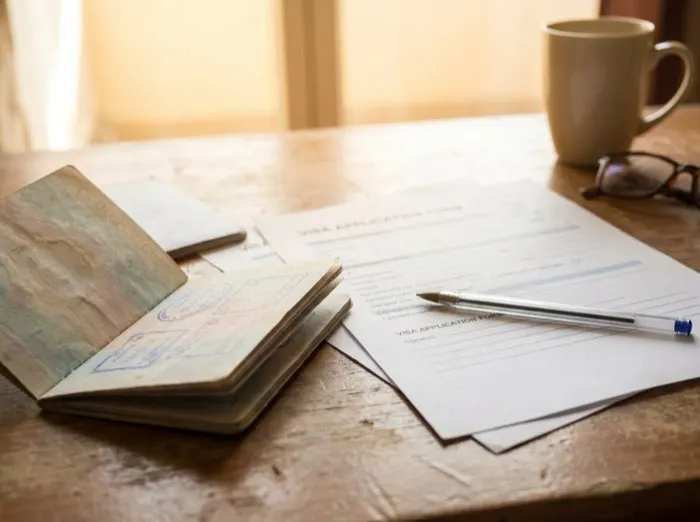
Working in the Netherlands from Philippines: Visa, Permit, Costs 2026

 Netherlands
Reality check: Is the Netherlands right for manual and skilled trades?
If you are a Filipino worker in construction, driving, caregiving, hospitality, or factory work, you need an honest starting point. The Netherlands has strict immigration rules for workers from non-EU countries. Under Dutch labor law, an employer must first prove that no suitable candidate could be found within the Netherlands or any other European Union country before hiring someone from outside Europe. This process is called a labor market test.
Because of this rule, the Netherlands is a tough target for general manual labor coming directly from the Philippines. The country mainly grants work permits to non-EU citizens for highly specialized technical roles, recognized shortage positions, or specific seasonal agriculture contracts. If you want to move quickly or work in general entry-level trades, countries like Poland, Croatia, or Romania offer far larger visa quotas and more open pathways for Filipino nationals. However, if you hold specialized technical trade skills or secure a direct contract with an approved Dutch employer, a legal path exists.
While general manual roles are restricted, Dutch employers actively recruit foreign workers for specific technical and essential skilled positions:
- Industrial welders and pipefitters: Specialized TIG and MIG welders are hired for shipbuilding, offshore structures, and advanced industrial manufacturing.
- Greenhouse agriculture specialists: Skilled technicians and farm supervisors are needed for automated greenhouse operations and high-tech horticulture management.
- Heavy equipment mechanics: Experienced technicians capable of repairing hydraulic systems, diesel engines, and specialized machinery are recruited for logistics hubs.
The official visa route: IND, MVV, and application in the Philippines
To work legally in the Netherlands as a Filipino citizen, you cannot simply apply for a standard tourist visa and look for a job. You need a combined residence and work permit. In the Netherlands, this single permit is known as the GVVA (Gecombineerde vergunning voor verblijf en arbeid). For short-term or seasonal positions lasting less than 24 weeks, a separate work permit called a TWV (Tewerkstellingsvergunning) is used alongside a regular visa.
The application process starts entirely with the employer in the Netherlands. You cannot submit an application on your own without an official employer sponsor. Your Dutch employer applies directly to the Dutch Immigration and Naturalisation Service, known as the IND (Immigratie- en Naturalisatiedienst).
Here is how the official process works step-by-step:
- Employer application: Your Dutch employer submits the GVVA application to the IND, submitting proof that the job position meets official labor requirements.
- IND approval: The IND reviews the application with the Dutch employee insurance agency (UWV). If approved, the IND issues an official approval letter.
- MVV entry visa: Once approved, you must obtain an entry visa called an MVV (Machtiging tot Voorlopig Verblijf) to travel to the Netherlands legally.
- Submitting in the Philippines: In the Philippines, visa intake for the Kingdom of the Netherlands is handled through VFS Global in Manila or Cebu City, or directly through the Embassy of the Kingdom of the Netherlands in Manila for specific consular appointments. You will submit your physical passport, present your IND approval letter, provide biometric data like fingerprints, and pay any required processing fees.
- DMW processing in the Philippines: Before leaving Manila, your contract must be verified by the Migrant Workers Office (MWO), and you must register with the Department of Migrant Workers (DMW) to receive your Overseas Employment Certificate (OEC).
Required documents and DFA apostille
Preparing your paperwork correctly is critical. Dutch authorities and the Philippines DMW require clean, verified documents before you can travel. You should prepare the following standard file:
- Valid passport: Your Philippine passport must be valid for at least 12 to 18 months beyond your intended arrival date.
- Signed employment contract: A binding contract signed by your Dutch employer, showing your gross monthly wage, working hours, and job description.
- NBI clearance: A valid police clearance from the National Bureau of Investigation (NBI) in the Philippines, issued for travel abroad.
- Civil registry documents: Your PSA birth certificate and, if applicable, your PSA marriage certificate.
- Proof of qualifications: Certificates of employment, TESDA national certificates, trade licenses, or diplomas showing your work history and trade skills.
- Medical examination report: A medical health clearance from a DMW-accredited clinic in the Philippines.
Importantly, Dutch authorities require your official Philippine public documents to be authenticated with an Apostille from the Department of Foreign Affairs (DFA) in the Philippines. This includes your NBI clearance, PSA birth certificate, and educational or trade certificates. Without a DFA Apostille tag, Dutch authorities will not accept your official papers.
Official fees and real costs in Philippine Pesos
Understanding costs helps you avoid overpaying and protects you from illegal recruitment scams. Costs are split between official permit processing and personal preparation expenses in the Philippines.
Official permit fees set by the Netherlands government for a GVVA work and residence permit are approximately €200 to €380. In most legitimate hiring cases, the Dutch employer pays this fee directly to the IND.
On the Philippines side, you must budget for personal document preparation and travel readiness. Typical out-of-pocket expenses include:
- NBI Clearance: Approximately ₱160 to ₱200 (€3 to €4).
- DFA Apostille per document: Approximately ₱100 to ₱200 (€2 to €4) depending on regular or express processing.
- PSA Certificates: Approximately ₱210 to ₱350 (€4 to €6) per copy.
- Medical examination: Approximately ₱3,000 to ₱6,000 (€50 to €100) at an accredited medical clinic.
- Philippine passport renewal: Approximately ₱950 to ₱1,200 (€15 to €20).
- VFS Global service fee: Approximately ₱1,500 to ₱2,500 (€25 to €40).
Regarding placement fees, European Union rules and Philippine DMW regulations state clearly that workers must not be charged placement fees for securing employment. Your employer carries recruitment costs, airfare, and visa processing fees. Be extremely cautious of recruiters in Manila or online charging processing fees or placement fees of ₱100,000 or more. These are illegal under Philippine law and are a common scam targeting jobseekers.
Myths vs facts
- Myth: You can enter the Netherlands on a Schengen tourist visa and start working legally once you find an employer.
Fact: Working on a tourist visa is strictly illegal in the Netherlands. You must receive IND approval and secure an MVV visa from the Philippines before you travel. - Myth: You have to pay a recruitment agency in Manila a large fee to get a Dutch work permit.
Fact: Under DMW regulations and Dutch standards, placement fees charged to workers for European recruitment are illegal; employers pay placement and visa expenses. - Myth: You do not need an Overseas Employment Certificate (OEC) if you hold a valid Dutch residence permit.
Fact: Every Filipino worker departing the Philippines for overseas work must obtain an OEC from the DMW to clear immigration at Philippine airports. - Myth: You cannot work in the Netherlands unless you speak fluent Dutch from day one.
Fact: Many international industrial, technical, and agricultural sites operate primarily in English, though learning basic Dutch is essential for daily life.
Before you sign
Before signing any contract or handing over your personal documents, go through this checklist to stay safe and legal:
- Verify employer registration: Ensure the hiring company is an officially registered Dutch business recognized by the Dutch Chamber of Commerce (KVK) and IND.
- Review contract terms: Confirm your employment contract clearly states your position, workplace location, monthly salary, working hours, and compliance with Dutch minimum wage laws.
- Check for zero illegal fees: Confirm that no agency is demanding placement fees, placement deposits, or salary deduction agreements from you.
- Apostille your documents early: Get your NBI clearance and PSA birth certificate apostilled by the DFA as soon as you start the application process to avoid long delays.
- Confirm DMW clearance: Ensure your recruiter or direct employer handles proper MWO verification and DMW contract registration so you can receive your OEC.
Build your Workuro profile today
If you have trade skills in welding, mechanics, agriculture, or technical maintenance, showcase your qualifications where European employers search. When setting up your profile on Workuro, list your exact trade certifications, your English proficiency, and note that you are seeking a legal GVVA visa route. Highlight whether your DFA apostilled documents and NBI clearances are ready for processing. Employers in the Netherlands look for prepared, qualified candidates who understand the legal hiring steps. Workuro is free for workers - employers pay to search the register, and nobody may charge you for a job.
Prêt à vous faire remarquer ?
Créez votre profil en 2 minutes. Gratuit, sans carte bancaire.
Continuer la lecture