Caregiver and Elderly Care Worker Jobs in Bulgaria (2026)
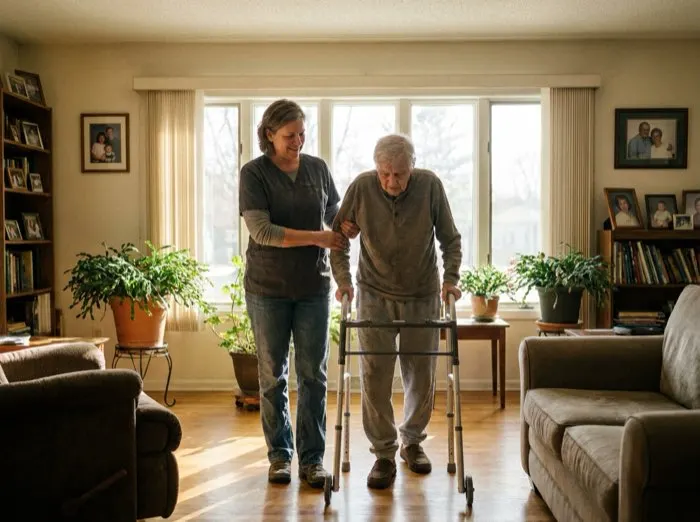
 Bulgaria
The Elderly Care Market in Bulgaria Right Now
Bulgaria faces a severe shortage of qualified elderly care workers and home aides. The country has one of the oldest populations in the European Union, while thousands of Bulgarian nurses and experienced caregivers move to Western Europe every year for higher pay. This leaves Bulgarian care homes, private clinics, and senior centers constantly searching for dedicated staff from outside the EU.
You must know the reality of the market before you start your search. If your main goal is to earn a Western European salary of 2,000 Euros net per month, Bulgaria is not the right choice for you. You would be better off aiming for Germany, Austria, or Italy. However, if you are looking for an accessible entry point into the European Union, a legal work permit route, and a job with low living costs, Bulgaria offers genuine opportunities for non-EU workers from South Asia, Africa, Latin America, Central Asia, and the Western Balkans.
Where the Jobs Are: Top Bulgarian Regions
Elderly care jobs in Bulgaria are concentrated in major urban centers and coastal regions where private facilities operates. Demand varies across the country depending on local wealth and the size of the aging population.
- Sofia City and Sofia Province: The capital city has the highest concentration of private senior care homes, rehabilitation centers, and home care agencies. Employers here hire foreign staff to cover full-time shift rotas and offer the highest salaries in the country.
- Plovdiv: As Bulgaria second largest city, Plovdiv has several growing private social care residences. The cost of living is lower than Sofia, making it a popular option for international care staff.
- Varna and Burgas: These Black Sea coastal cities have a high population of retired foreign residents and local seniors. Private care homes in these areas frequently recruit year-round, with extra demand during the summer months when families travel.
- Ruse and Veliko Tarnovo: Located in the north, these regions have severe staffing shortages in municipal and private eldercare facilities, though salaries here tend to be closer to the national minimum wage.
Work Permits and Legal Pathways for Non-EU Workers
To work legally as a caregiver in Bulgaria, non-EU citizens need an official work permit and a Type D long-term visa. You cannot enter Bulgaria on a short-stay tourist visa and convert it into a work permit from inside the country. Everything must be processed before you travel.
The primary route for caregivers is the Single Residence and Work Permit, known in Bulgaria as ERPR (Единно разрешение за пребиваване и работа). Your Bulgarian employer must file the application on your behalf with the Bulgarian Migration Directorate (Дирекция Миграция) and the Employment Agency (Агенция по заетостта).
- Processing Time: The entire process usually takes between 2 and 4 months from the day your employer submits the document package in Bulgaria.
- Shortage Occupation List: While general caregiving is not always listed on the official fast-track shortage list, health care assistants and social work assistants are routinely approved due to clear workforce deficits.
- Recognized Certificates: Employers look for candidates holding a recognized vocational certificate as a care worker or nursing assistant. In Bulgaria, this trade is known as bolnogledach (болногледач) or socialen asistent (социален асистент). Qualifications issued outside the EU must be translated into Bulgarian by an sworn translator and legalized.
- Health and Record Checks: You must pass a medical exam including a chest X-ray for tuberculosis, present a clean police clearance certificate from your home country, and sign an official employment contract before applying for your visa at a Bulgarian embassy.
Language Requirements and Daily Work Realities
Unlike construction or warehouse work, elderly care requires constant direct communication. You will work with elderly individuals who may have hearing impairments, memory loss, or chronic medical conditions. Most elderly Bulgarian care residents do not speak English or other foreign languages.
While some luxury private care homes cater to English-speaking foreign retirees, the vast majority of jobs require at least a basic working knowledge of conversational Bulgarian (A2 level). Employers often hire workers who show a strong commitment to learning basic Bulgarian medical and daily care vocabulary before arrival.
- Daily Responsibilities: Assisting with personal hygiene, bathing, dressing, mobility, feeding, basic vital sign monitoring, and medication distribution under the supervision of a licensed nurse.
- Work Arrangements: Care facilities operate on 12-hour shifts or standard 8-hour day rotations. Some private family arrangements offer live-in caregiving positions, where free accommodation and meals are provided in addition to a base monthly salary.
Pay Ranges, Taxes, and Living Costs in Bulgaria
Salaries in Bulgaria are paid in the local currency, the Bulgarian Lev (BGN). Bulgaria operates on a flat income tax rate of 10 percent, which is one of the lowest tax rates in Europe.
- Net Monthly Pay: A full-time caregiver or elderly care worker in Bulgaria typically earns between 1,100 BGN and 1,700 BGN net per month (approximately 560 to 870 Euros). Experienced staff working night shifts or specialized dementia care in Sofia can earn up to 2,000 BGN net per month.
- Live-In Positions: If you accept a live-in care position where room and food are provided by the employer or family, your gross pay may be slightly lower (around 1,000 BGN to 1,300 BGN net), but your monthly living expenses drop close to zero.
- Living Expenses: Outside of Sofia, renting a modest studio apartment costs around 400 to 600 BGN per month. Food and utilities are far less expensive than in Western or Northern Europe.
Reality Check: What Foreign Caregivers Get Wrong
Before you apply for caregiving positions in Bulgaria, keep these essential facts in mind to avoid common mistakes:
- Expecting Western European wages: Caregiver salaries in Bulgaria reflect the local economy. You will not earn Western European pay, but your living costs will be significantly lower.
- Assuming English is enough: You cannot provide safe care to an elderly Bulgarian citizen without learning basic Bulgarian phrases. Language effort is required.
- Thinking you can enter on a tourist visa: Employers cannot hire you legally or convert your status if you arrive on a tourist visa. You must wait for your approved ERPR permit and Type D visa in your home country.
- Paying unauthorized recruiters: Legitimate Bulgarian care homes and licensed employment agencies cover permit filing fees and do not charge workers fees for placement.
Put These Details in Your Workuro Profile
When you create your profile on Workuro, generic information will not help Bulgarian employers find you. Care home managers and agency recruiters search the registry using specific keywords and qualifications.
To make your profile stand out to Bulgarian employers, ensure you include these specific details:
- Target Job Titles: Select Caregiver, Elderly Care Worker, Nursing Assistant, or the Bulgarian terms Bolnogledach and Socialen Asistent in your desired job categories.
- Certificates and Training: List your home country caregiving diplomas, first aid certifications, patient handling credentials, or nursing assistant qualifications. State clearly if your documents are ready for legal translation.
- Language Proficiency: Mention your current level of English and any basic Bulgarian language studies you have completed or are currently undertaking.
- Preferred Cities: Specify if you are available to work in primary urban centers like Sofia, Plovdiv, Varna, or Burgas, and state whether you are open to live-in care arrangements.
- Availability: Clearly state how soon you can start the visa process once an employer files your Single Residence and Work Permit application.
Chcesz dać się znaleźć pracodawcom?
Stwórz profil w 2 minuty. Za darmo, bez karty.
Czytaj dalej