Scaffolder Jobs in Iceland for Foreign Workers (2026)
 Iceland
1. The Honest Market Reality: Small Island, Specific Needs
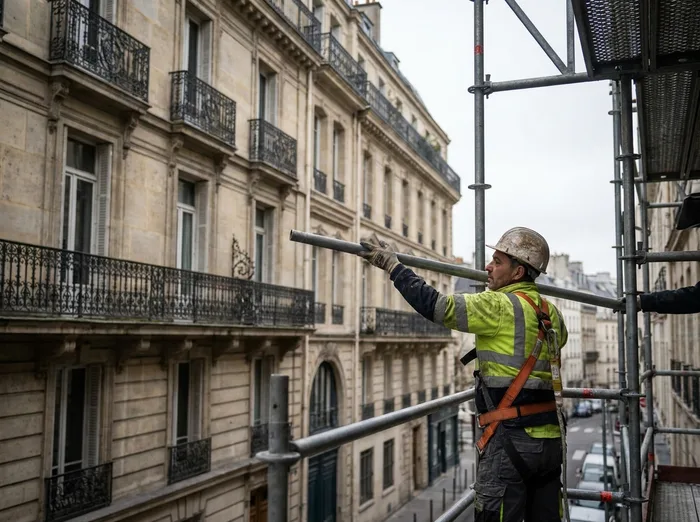
Iceland is a very small country with a population of under 390,000 people. Because of this small scale, the overall job market for scaffolders here is genuine but limited in size. If you are looking for massive job volume where thousands of non-EU scaffolders are hired every month, larger European markets like Germany, the Netherlands, or Norway are better primary targets. You will find far more open postings and larger recruitment drives in those countries.
However, Iceland experiences steady local labor shortages in physically demanding construction and industrial trades. When local or European Union workers are not available, Icelandic contractors and specialized recruitment agencies hire non-EU workers. The work here is heavily focused on specialized industrial systems, commercial building facades, and weather-proofing structures against extreme North Atlantic winds. If you have solid experience with modern modular scaffolding systems, are comfortable working in cold weather, and meet the visa requirements, Iceland offers strong union pay floors and excellent working conditions.
2. Where Scaffolding Work Happens in Iceland
Scaffolding jobs in Iceland are concentrated in specific industrial zones and urban areas rather than spread out across a large country. Most jobs are found in these key locations:
- Höfuðborgarsvæðið (Greater Reykjavík Area): This region includes Reykjavík, Kópavogur, and Hafnarfjörður. It is the hub for residential builds, commercial office developments, and hotel renovations. Scaffolding crews here work on both modular facade systems and temporary weather shelters.
- Straumsvík (Hafnarfjörður): Home to the Rio Tinto aluminium smelter. Industrial plants require heavy-duty scaffolding for routine maintenance, structural repairs, and safety retrofits. Safety standards at this site are exceptionally high.
- Grundartangi (Hvalfjörður): An industrial port and smelting complex located north of Reykjavík. Large maintenance shutdowns, known as turnarounds, occur periodically and require short-term, intensive scaffolding work.
- Reyðarfjörður (East Iceland): Location of the Alcoa Fjarðaál aluminium plant. Industrial contractors frequently bring in specialized scaffolding crews for major overhaul projects here, often supplying workforce accommodation on site.
- Seasonal Hiring Cycles: The main outdoor hiring window runs from April through September. Summer offers long daylight hours and milder weather, allowing rapid building assembly. Winter work (November to March) drops to around four hours of daylight per day and involves high wind speeds, shifting focus toward indoor industrial maintenance and weather-enclosed builds.
3. Work Permits and Visa Routes for Non-EU Workers
Workers coming from outside the European Union or European Economic Area (such as South Asia, Africa, Latin America, the Balkans, or Central Asia) cannot work in Iceland without an approved work permit tied to a specific employer. You cannot move to Iceland first and look for a job later.
- The Hiring Sponsor: Your Icelandic employer must initiate the application process. They must apply directly to the Directorate of Labour (Vinnumálastofnun) for permission to hire a foreign worker.
- The Labor Market Test: Icelandic law requires employers to advertise job openings locally and across the EEA first. The employer must demonstrate to Vinnumálastofnun that no qualified local or EU candidate applied before a permit for a non-EU worker can be granted.
- Directorate of Immigration (Útlendingastofnun): Once Vinnumálastofnun approves the work permit, Útlendingastofnun issues the residence permit. You will need to submit a clean criminal background check, a copy of your signed employment contract, and a medical certificate.
- System ID (Kennitala): Every worker in Iceland must get a national identification number called a Kennitala. Your employer helps arrange this once your residence permit is approved. Without a Kennitala, you cannot receive wages or open an Icelandic bank account.
- Processing Timeline: Expect the entire application process to take between 2 and 4 months from signing your contract to receiving final visa approval.
4. Safety Certificates, Union Pay Floors, and Net Earnings
Icelandic work sites strictly enforce occupational safety laws, and wage rates are governed by collective bargaining agreements negotiated by labor unions.
- Vinnueftirlitið Standards: The Administration of Occupational Safety and Health (Vinnueftirlitið) is the government body that oversees workplace safety in Iceland. While there is no single mandatory trade license just to erect standard frame scaffolding, Vinnueftirlitið rules require employers to ensure all scaffolders have documented safety training. Experience with recognized modular systems (such as Layher Allround, Peri UP, or Cuplok) or international scaffolding safety cards (like CISRS or equivalent national trade qualifications) helps establish your competence.
- Language Requirements: You do not need to speak Icelandic to work on construction sites, but working English is required. You must be able to understand daily safety briefings (toolbox talks), read safety signage, and follow emergency warnings.
- Union Contracts and Wages: Joining a labor union is standard practice in Iceland. Scaffolding work is covered by major unions such as Efling (in the capital area) or AFL and SGS (in regional areas). Unions set the minimum wage floors, overtime rates, and holiday pay.
- Typical Gross Pay Rates: In 2026, gross hourly pay for basic to mid-level scaffolders ranges between 2,500 ISK and 3,500 ISK per hour. Overtime hours (work over 40 hours per week or evening shifts) are paid at higher rates established by the union contract. Based on a standard 160-hour month, gross monthly income ranges from roughly 400,000 ISK to 580,000 ISK.
- Net Monthly Pay (After Tax): Income tax in Iceland uses a bracket system, starting at roughly 31.4% for lower earnings brackets. After deducting income tax, municipal tax, union dues (usually 1%), and mandatory pension contributions (lífeyrissjóður), typical net monthly pay ranges from 310,000 ISK to 430,000 ISK (roughly equivalent to 2,100 EUR to 2,900 EUR). If you work extra summer overtime or remote site turnarounds, net pay can be higher.
- Housing Considerations: Rental costs in Greater Reykjavík are high. Many employers or staffing agencies hiring overseas scaffolders provide shared company housing for a reasonable monthly deduction directly from your salary. Always clarify housing details with your employer before accepting an offer.
5. Reality Check: Common Misconceptions About Working in Iceland
- Expecting to find a job on arrival: Arriving on a tourist visa to seek work is illegal. Non-EU citizens caught doing this face immediate deportation and an entry ban to the Schengen Area.
- Underestimating severe weather: Scaffolding in Iceland involves heavy wind gusts and sudden freezing rain. Safety protocols, wind load calculations, and proper tie-offs are strictly monitored.
- Assuming high pay means easy saving: Living costs in Iceland (food, transport, services) are among the highest in Europe. You must manage your budget carefully, especially if living in non-subsidized private housing.
- Assuming all scaffolding is traditional tube and coupler: Most modern job sites in Iceland rely on system scaffolding (such as Layher). Familiarity with system components is far more valuable than basic tube-and-fitting knowledge alone.
6. Practical Steps to Build an Overseas Candidate Profile
When Icelandic employers review overseas candidates, they want quick proof that you are ready for the physical demands and safety standards of Icelandic sites. Here is how to prepare:
- List System Scaffolding Experience: Clearly name the systems you have built, including Layher, Peri, or Cuplok. State whether you worked on facade scaffolds, heavy shoring, or weather enclosure protection.
- Gather Proof of Work: Keep clean copies of previous employment certificates, safety cards, working-at-height training tickets, and harness inspection courses. Short video clips or photos showing you assembling system scaffolding correctly add credibility to your profile.
- Highlight Industrial Experience: Mention any past work in power plants, refineries, smelters, or major infrastructure projects, as this background translates well to Icelandic industrial contracts.
7. Put Your Specific Details into Your Workuro Profile
Icelandic contractors and recruitment agencies search Workuro to find qualified foreign trade workers. Complete profiles appear far more frequently in employer search results.
To help Icelandic employers find you, ensure your profile includes:
- Your Trade Focus: Select Scaffolder and explicitly list your specific system experience (Layher Allround, Peri UP, heavy industrial builds).
- Safety Certifications: List your working-at-height certifications, fall protection training, and any recognized trade diplomas from your home country.
- Target Destinations: Add Iceland as a preferred destination, and mention key regions if relevant (such as Höfuðborgarsvæðið, Straumsvík, or Reyðarfjörður).
- Language Ability: Clearly indicate your English language proficiency level so employers know you can follow site safety protocols.
- Availability: State how quickly you can travel once a work permit application is submitted by an employer.
Keep your Workuro profile accurate and complete so employers searching for experienced scaffolders in Iceland can review your qualifications directly.
Ești gata să fii găsit?
Creează-ți profilul în 2 minute. Gratuit, fără card bancar.
Continuă lectura