Scaffolder Jobs in Sweden for Foreign Workers (2026)
 Sweden
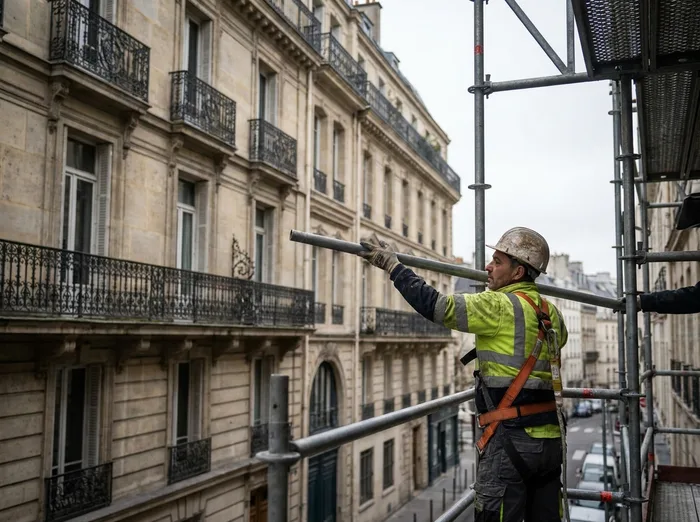
Scaffolding is an essential trade in Sweden, but landing a job as a non-EU worker requires a clear strategy. Sweden does not run on informal hiring or cash-in-hand construction. Every building site operates under strict safety regulations and collective bargaining agreements. If you come from South Asia, Africa, Latin America, Central Asia, or the Balkans, you can secure a Swedish work permit, provided you find an employer who offers terms that meet national requirements.
Demand for scaffolders in Sweden is moderate to strong, but it is unevenly distributed across the country. Traditional residential construction in major cities like Stockholm has cooled down due to high interest rates. However, industrial expansion in northern Sweden and infrastructure projects in major industrial ports create a continuous need for skilled scaffolding crews. If you are looking strictly for low-skilled, quick-entry residential work, Germany or the Netherlands currently offer larger volumes of immediate openings. However, if you have experience with system scaffolding like HAKI or Layher, Sweden offers high safety standards, fair wages, and a reliable path to legal residency.
Where the Scaffolding Jobs Are in Sweden
Sweden is a vast country, but construction and industrial activity concentrate in specific geographic hubs. Knowing where to focus your search increases your chances of finding an employer willing to sponsor a work permit.
- Northern Sweden (Norrbotten and Västerbotten): This region is undergoing a massive industrial green transition. Cities like Skellefteå, Luleå, and Boden host giant industrial sites, including battery factories, green steel plants, and wind power installations. Industrial scaffolding contractors in these areas constantly need workers for assembly, maintenance, and weather-protection structures.
- Greater Gothenburg (Västra Götaland): Gothenburg is Sweden's industrial heartland. The region features heavy petrochemical refineries like Preemraff in Lysekil, massive automotive manufacturing plants, and active shipyards. Industrial shutdowns and routine maintenance turnarounds in Gothenburg require large crews of experienced scaffolders throughout the year.
- Greater Stockholm and Mälardalen: While residential housing builds have slowed, large infrastructure projects continue. The Förbifart Stockholm (Stockholm Bypass) bypass project, public transit expansions, and commercial property renovations keep commercial scaffolding companies active in and around the capital.
Swedish Certifications and Safety Regulations
Safety rules in Sweden are strict and strictly enforced. You cannot simply walk onto a Swedish construction site with basic experience; you must prove you understand safety regulations set by Arbetsmiljöverket (the Swedish Work Environment Authority).
Under Swedish regulation AFS 2013:4, anyone assembling, altering, or dismantling scaffolding higher than two meters must hold documented training. In Sweden, the recognized body for construction trade qualifications is BYN (Byggnadsindustrins Yrkesnämnd - the Building Industry Vocational Training Board).
- Särskild Utbildning om Ställningar (Special Scaffolding Training): This is the mandatory theoretical and practical training required for building complex scaffolding structures. If you completed training outside the European Union, your employer must submit your foreign certificates and proof of work experience to BYN for validation.
- System Competence: Swedish sites rely heavily on specific prefabricated modular systems. Experience with HAKI (a Swedish-designed system used everywhere in the country) and Layher Allround is mandatory for almost every employer. If your experience is limited to traditional tube and coupler (tube and fitting), you must be prepared to learn modular systems quickly.
- Weather Protection Structures (Väderskydd): Due to Sweden's harsh winters and heavy rainfall, erecting temporary roofs and weather protection enclosures over scaffolding is standard practice. Experience in building roof systems gives you a distinct advantage.
- Language Requirements: English is the working language on large industrial sites in the north and around refineries. However, site supervisors always prefer workers who speak basic Swedish for safety briefings. Knowing basic construction Swedish will put you ahead of other international applicants.
Work Permits and Union Collective Agreements
To move to Sweden as a non-EU citizen, you must secure a job offer before entering the country. You cannot travel to Sweden on a tourist visa and convert it into a work permit while inside the border.
The Swedish Migration Agency (Migrationsverket) processes work permit applications. To qualify, your job offer must satisfy three main conditions set by Swedish law:
- Salary Floor: Your proposed monthly salary must meet or exceed the Swedish work permit threshold set by the government (which requires a salary equal to at least 80% of the median Swedish wage, updated annually).
- Terms of Employment: Your insurance coverage, working hours, and pay must equal or exceed the standards established by Swedish collective agreements.
- Union Review: Before Migrationsverket approves your visa, the relevant trade union, Byggnads (the Swedish Building Workers' Union), receives your job offer to verify that the employer pays market rates and respects worker safety.
Processing times at Migrationsverket generally range from two to five months, depending on whether your employer uses an certified immigration agency. Once your permit is approved, you receive a residence permit card (UT-kort) that allows you to enter Sweden and start work.
Pay Rates, Taxes, and Monthly Income
Wages in Sweden are set through collective agreements (Byggavtalet) negotiated between Byggnads and employer associations like Byggföretagen. Scaffolders receive hourly wages based on their skill level, certificates, and years of experience.
- Gross Hourly Rate: An entry-level foreign scaffolder with recognized basic training earns between 170 SEK and 195 SEK per hour gross. Fully qualified, certified scaffolders (Yrkesbevis holders) earn between 200 SEK and 235 SEK per hour gross.
- Gross Monthly Salary: Based on a standard 40-hour work week (165 hours per month), full-time gross earnings range from 28,000 SEK to 38,000 SEK per month.
- Taxes: Income tax in Sweden is paid to your municipality. The local tax rate typically ranges between 29% and 32%, depending on where you live. Sweden uses a progressive tax system, but for standard scaffolder income levels, your overall tax rate will be around 25% to 28% after basic deductions.
- Net Monthly Income: A foreign scaffolder earning a standard gross wage can expect a net monthly salary (take-home pay) between 21,000 SEK and 27,000 SEK.
- Allowances and Overtime: If you work on travel assignments (traktamente), your employer provides daily tax-free allowances for meals and accommodation. Overtime hours paid under Byggavtalet carry premium supplements ranging from 50% to 100% above your standard hourly rate.
The main hiring season runs from March through October, when daylight hours are long and civil construction peaks. Industrial maintenance, plant shutdowns, and indoor refinery projects run year-round, offering stable winter employment for experienced scaffolders.
Reality Check: Misconceptions About Working in Sweden
Many foreign workers misunderstand how the Swedish job market operates. Here are the facts regarding common misconceptions:
- Misconception: You can start working on a visit visa while waiting for your permit.
Reality: Working in Sweden without an approved work permit and a registered personnummer or coordination number (samordningsnummer) is illegal. Employers face heavy fines, and workers face deportation and entry bans. - Misconception: Overseas experience without documentation is enough.
Reality: Swedish companies require documented proof of safety training and past employment. Unverifiable verbal claims will not pass BYN validation. - Misconception: Winter freezes all construction jobs entirely.
Reality: While outdoor residential bricklaying slows down in extreme cold, industrial scaffolding continues year-round. Industrial plants in Luleå or Skellefteå operate straight through winter using specialized weather protection structures. - Misconception: You must pay a third-party recruiter to get a visa sponsor.
Reality: In Sweden, reputable employers pay for their own recruitment needs. You should never pay an agency or employer for a job offer or a work permit application.
How to Set Up Your Workuro Profile for Swedish Employers
Swedish construction firms and specialized scaffolding subcontractors search the Workuro registry when they need qualified international labor for upcoming contracts. To make sure your profile appears in searches conducted by Swedish recruiters, keep your details specific and accurate.
When filling out your Workuro profile, make sure to include:
- Specific Scaffolding Systems: Clearly list system scaffolding types you have built, specifically mentioning HAKI, Layher Allround, or Peri Up.
- Certificates and Tickets: Upload details of any national height safety credentials, rigger tickets, working at height cards, or heavy machinery operator permits (such as scissor lifts or boom lifts).
- Driver's License: Mention if you hold a valid manual driver's license (Category B or Category C). Scaffolding crews in Sweden frequently drive service vans and trucks between project sites.
- English and Language Ability: Indicate your exact English proficiency level clearly, along with any Swedish or Nordic languages you speak.
- Preferred Work Locations: State your willingness to work in high-demand regions, particularly Northern Sweden (Norrbotten/Västerbotten) or Gothenburg.
By filling out every section with detailed, checkable information, you allow Swedish employers to evaluate your qualifications quickly and contact you directly with job offers that meet work permit requirements.
Ești gata să fii găsit?
Creează-ți profilul în 2 minute. Gratuit, fără card bancar.
Continuă lectura