Fish and Seafood Processing Worker Jobs in Finland for Foreign Workers (2026)
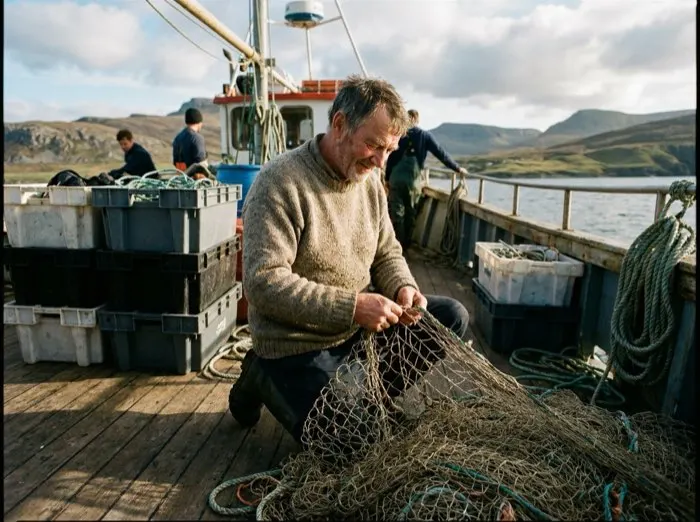
Is there fish processing work in Finland for foreign workers?
Let us start with an honest reality check. If your primary goal is to find massive fish processing factories hiring thousands of foreign workers every single month, Norway or Iceland are much larger markets for raw ocean catches. Norway processes millions of tons of cod and Atlantic salmon every year. Finland operates on a smaller scale, processing around 150,000 tons of seafood annually, which consists mainly of imported Norwegian salmon, locally farmed rainbow trout, and Baltic herring.
However, Finland does have a steady demand for foreign workers in its food manufacturing sector. Finnish seafood companies face local labor shortages, particularly for manual filleting, packaging, cold storage, and night-shift processing lines. If you want a safe work environment, strong union protections, and clear legal paths to a residence permit, Finland is a solid choice. Non-EU workers from South Asia, Africa, Central Asia, the Balkans, and Latin America work in Finnish plants today, but you must know where the factories are and what certifications Finnish law requires before you apply.
Where the seafood plants are and when they hire
Seafood processing in Finland is concentrated in specific coastal regions and lake districts near fish farms and import harbors. You will not find these jobs in central Helsinki. You need to look at specific industrial zones and regional hubs:
- Varsinais-Suomi (Southwest Finland): This is the major center for seafood processing. Towns like Uusikaupunki, Naantali, and Parainen house medium to large facilities that handle fresh salmon processing, smoking, and vacuum packaging for national supermarket chains.
- Pohjanmaa and Northern Ostrobothnia: Coastal areas around Vaasa, Pietarsaari, and Kalajoki have active processing hubs for both sea-farmed rainbow trout and Baltic sea catches.
- Northern Savonia and Inland Lake Regions: Towns around Kuopio have inland freshwater processing sites focused on freshwater fish species and local trout hatcheries.
- Lapland and Archipelago Farms: Remote seasonal gutting and sorting stations operate near primary aquaculture sites in the Southwestern Archipelago and northern rivers.
The hiring cycle has two clear peaks. Spring (April to June) and autumn (September to November) bring high demand due to Baltic herring runs and seasonal harvests of sea-farmed rainbow trout. Additionally, overall salmon processing peaks from late October through December to prepare smoked fish products for the Scandinavian holiday season. Year-round hiring happens for core shift roles in filleting, machine operation, and high-care packaging lines.
Certifications and technical skills you need
Finnish food safety laws are strict. You do not always need years of experience to get an entry level position, but you must hold specific Finnish certificates before you can touch food products or work safely on a factory floor.
- Hygiene Pass (Hygieniapassi): This is mandatory by law for anyone handling unpacked, perishable food in Finland. It is overseen by Ruokavirasto (the Finnish Food Authority). The test checks your knowledge of cold chain management, bacteria control, and personal hygiene. You can take the exam in English in major Finnish cities, or prepare for it immediately upon arrival.
- Occupational Safety Card (Työturvallisuuskortti): Most industrial sites require this green card, which covers machinery hazards, emergency protocols, and workplace safety practices. Many employers arrange a one-day training course for new hires.
- Salmon Filleting and Knife Skills: Hand-filleting Norwegian salmon and rainbow trout requires speed and precision to avoid wasting valuable meat. Knife skill is the single fastest way to get hired over other applicants.
- Machine Operation: Experience operating automated gutting machines, pin-bone removers, skinning machines, or thermoforming packaging lines will make your profile stand out.
- Cold Room Stamina: Processing rooms are kept cold, usually between 2 and 6 degrees Celsius. You must be comfortable working full shifts in low temperatures while wearing warm protective gear.
Wages, collective agreements, and net monthly pay
In Finland, minimum wages are not set by a single government law. Instead, wages are set by industry-wide collective agreements negotiated between labor unions and employer federations. Seafood processing falls under the Food Industry Collective Agreement (Elintarvikealan työehtosopimus), negotiated by the Finnish Food Workers Union (Suomen Elintarviketyöläisten Liitto, or SEL).
- Hourly Base Pay: Entry-level fish processing workers start between 11.80 EUR and 13.50 EUR per hour. Experienced manual filleting staff or machine operators can earn between 13.80 EUR and 15.50 EUR per hour.
- Shift Bonuses: Working non-standard hours increases your pay significantly. Evening shifts pay an extra allowance of roughly 1.80 EUR to 2.20 EUR per hour. Night shifts add around 3.20 EUR to 3.80 EUR per hour. Working on Sundays or public holidays pays double (a 100% bonus on your base rate).
- Working Hours: A standard full-time schedule in Finland is 37.5 hours per week (5 shifts of 7.5 hours). Overtime is strictly tracked and paid at higher rates.
- Net Monthly Pay After Tax: Income tax in Finland is progressive, meaning you pay a percentage based on your total annual earnings. A foreign worker earning a base wage without major overtime will usually have a tax and social contribution rate of around 18% to 23%. This results in a typical net take-home pay of 1,450 EUR to 1,900 EUR per month. If you work regular night shifts or weekend overtime, net pay can reach 2,100 EUR per month.
Work permits, TE Office testing, and language requirements
If you come from outside the European Union, you need a Residence Permit for an Employed Person (työntekijän oleskelulupa) to work in Finland. You cannot work on a standard tourist visa.
The application process involves two distinct stages after an employer offers you a job:
- Labor Market Testing (Saatavuusharkinta): Before hiring a non-EU worker, the Finnish Employment and Economic Development Office (TE-palvelut or TE Office) checks if an unemployed worker already living in Finland or the EU can fill the role. Because fish processing in regional towns like Uusikaupunki or Kalajoki often lacks local applicants, many seafood roles pass this check, but approval is never guaranteed.
- Migri Processing: The Finnish Immigration Service (Migri) handles the final approval of your background, identity, and employment contract. The whole process is completed digitally through the Enter Finland online portal.
When it comes to language, you do not need fluent Finnish to start in entry level processing jobs. Many factory floors use English for basic operational instructions, especially in production lines with mixed international teams. However, learning basic Finnish words for safety instructions, tools, and food preparation rules shows commitment and helps you pass from temporary seasonal contracts to permanent positions.
Reality check: What foreign applicants get wrong about Finland
- Expecting big city life: Seafood processing plants are located in small coastal towns or industrial areas far from Helsinki. Public transport can be limited, so living close to the plant or having access to a bicycle or car is necessary.
- Assuming seasonal work automatically gives a long permit: Short-term seasonal processing contracts (under 9 months) use a simplified seasonal work permit, but this does not automatically convert into permanent residency unless your contract is extended into a full-time role.
- Thinking knife skills do not matter: Automated machines handle rough processing, but valuable high-grade salmon cuts require skilled human hand filleting. Skilled filleting candidates get job offers far quicker than general laborers.
- Ignoring cold room conditions: Working 7.5 hours a day at 4 degrees Celsius while handling ice and wet products requires physical strength and endurance.
Add your details to Workuro so Finnish employers can find you
Finnish employers and recruitment agencies actively look for candidate profiles that contain clear, verifiable facts. To make your Workuro profile visible to seafood processing companies searching for non-EU staff, make sure you fill out every specific detail:
- Select your specific skills: manual filleting, salmon gutting, skinning machine operation, packaging, or forklift driving.
- Mention whether you hold a valid Hygiene Pass (Hygieniapassi) or have experience in HACCP food safety standards.
- List your language levels clearly, including your level of English and any basic Finnish you have learned.
- Specify the Finnish regions you are ready to move to, such as Varsinais-Suomi, Pohjanmaa, or Northern Savonia.
- State your availability clearly, including whether you are ready for seasonal contract work or year-round shift work.
A detailed, complete profile allows Finnish hiring managers to see your practical capabilities immediately and contact you directly when open positions arise.
کیا آپ تلاش کے لیے تیار ہیں؟
2 منٹ میں اپنا پروفائل بنائیں۔ مفت، کوئی کریڈٹ کارڈ نہیں۔
مزید پڑھیں