Security Guard Jobs in Finland for Foreign Workers (2026)
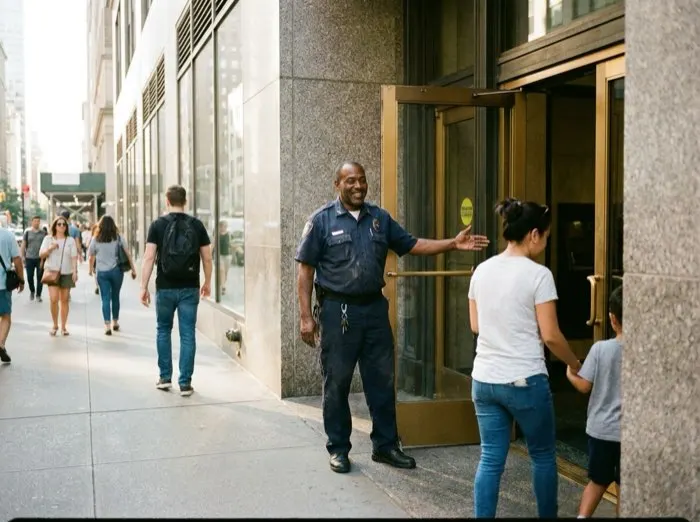
The reality of security guard jobs in Finland for non-EU workers
If you are planning to move to Finland from outside the European Union to work as a security guard, you need a clear picture of how the local market functions. Finland is a modern, highly organized country with strict public safety standards. While there is steady demand for security personnel in growing urban areas, logistics hubs, and industrial zones, the path for foreign workers coming directly from outside the EU is narrow compared to other trades.
We believe in giving you honest facts first. Direct recruitment of non-EU citizens for entry-level security guard roles in Finland is small. The main barrier is not a lack of job openings, but a strict legal requirement: security guards in Finland must speak fluent Finnish or Swedish to complete required training, pass state exams, and hold an official police license. If you do not speak Finnish at a B1 or B2 level, obtaining a direct job offer and work permit as a security guard in Finland is very difficult. If your goal is to find an immediate security job in Europe using English without learning a Nordic language first, countries like Malta, Poland, or Ireland offer far higher recruitment volumes for international candidates. However, if you are committed to settling in Finland, willing to learn the language, or already have Finnish skills, this guide explains exactly how the system works.
Licensing and legal requirements: The Vartijakortti
You cannot work as a security guard in Finland using experience or licenses from another country. Private security is regulated strictly by the Finnish Police (Poliisi). Every working guard must complete accredited training and receive official police approval.
- Vartijan peruskoulutus (Basic Guard Training): You must complete a standardized training curriculum divided into two parts. The first part is a 40-hour temporary security guard course. The second part is an 80-hour advanced module, making 120 hours of total classroom and practical instruction.
- Poliisi Approval (Vartijakortti): After passing your courses and practical tests, you submit an application to the Finnish Police for your official guard card (vartijakortti). The police perform a personal background check to verify you have no criminal record and are considered suitable for public safety duties.
- Language Competence: All official training courses, written examinations, and police procedures are conducted in Finnish or Swedish. You must be able to understand Finnish safety laws, complete written incident reports, and communicate clearly with local emergency services.
- Järjestyksenvalvoja (Order Maintenance Officer): If your job involves controlling crowds at events, shopping malls, passenger terminals, or night venues, you must also hold a järjestyksenvalvoja qualification. This requires an additional 40-hour course regulated by the police.
Top hiring locations and seasonal cycles in Finland
Security jobs in Finland are concentrated in major population centers, key transport corridors, and heavy industrial facilities. Understanding where positions are located helps you target your search effectively.
- Capital Region (Helsinki, Vantaa, Espoo): Located in the Uusimaa region, this metropolitan area has the highest density of security roles. Key sites include Helsinki Airport in Vantaa, the logistics zones in Aviapolis, Vuosaari Harbour, shopping centers, and public transportation networks.
- Pirkanmaa Region (Tampere): Tampere is a major industrial and technology hub. Security guarding roles here focus on manufacturing plants, commercial real estate, corporate offices, and logistics distribution points.
- Varsinais-Suomi (Turku): As a key maritime gateway with passenger ferries and cargo shipping to Sweden, Turku has regular openings for port security, shipyard facility protection, and commercial guarding.
- Industrial Nodes (Hamina, Oulu, Kajaani): Northern and Eastern Finland contain large data centers, paper mills, and industrial sites. These facilities hire specialized access control and facility security staff. Some technical sites value IT or monitoring skills alongside physical guarding.
- Seasonal Hiring Cycles: The primary hiring peak in Finland occurs between May and August. Finnish full-time employees take mandatory annual summer leave during these months, creating a surge in demand for seasonal replacement guards. Applications for summer contracts usually open early in the year, from January to March.
Pay rates, collective agreements, and net income
Pay rates for security workers in Finland are not left to individual negotiation. They are set by a nationwide collective bargaining agreement called Turvallisuusalan työehtosopimus, negotiated between employer associations and the Service Union United (PAM). Employers are legally bound to pay at least these minimum rates.
- Pay Levels (Palkkaryhmät): Wages are hourly and divided into skill groups based on your duties, experience, and certifications. Base hourly rates generally start between 11.50 Euros and 15.50 Euros per hour for standard security guards.
- Shift Allowances: A large portion of a guard's income comes from shift supplements mandated by law and collective agreements. Night shifts usually pay 20 percent to 40 percent extra per hour. Saturday shifts include extra hourly bonuses, and working on Sundays pays double the standard base rate.
- Gross Monthly Pay: A full-time security guard working standard 37.5-hour weekly schedules with a regular rotation of night and weekend shifts typically earns between 2,100 Euros and 2,800 Euros gross per month.
- Net Monthly Income: Finland uses a progressive tax system along with social security and pension contributions. For a single worker earning standard guard wages, net take-home pay typically ranges from 1,500 Euros to 2,000 Euros net per month, depending on municipal tax rates and total shift bonuses earned.
Work permits and the Migri application route
To move to Finland from outside the EU for work, you must obtain a Residence Permit for an Employed Person (työntekijän oleskelulupa). The immigration procedure involves two separate state authorities.
- Securing an Offer First: You cannot apply for a work permit on your own initiative. You must first secure a binding job offer and employment contract from a company legally registered in Finland.
- The TE Office Evaluation: Before the permit is granted, the Employment and Economic Development Office (TE-toimisto) conducts a labor market assessment. They check whether an eligible candidate within Finland or the broader EU/EEA area is available to fill the position.
- Migri Final Decision: Once the TE Office approves the labor market assessment, the Finnish Immigration Service (Migri) issues the formal residence permit decision. Applications are submitted online through the Enter Finland electronic portal.
- Processing Timelines: Processing times for an employed person's residence permit generally range from 2 to 4 months. You must present your original passport and record your fingerprints at a Finnish diplomatic mission or embassy in your home country before your file is finalized.
Reality check: What foreign candidates get wrong about Finland
- Myth: You can work as a security guard in Finland using English only.
Reality: Emergency calls, police coordination, official incident logging, and everyday public interactions require functional Finnish language skills. - Myth: Foreign military or police experience bypasses local training.
Reality: Prior foreign experience is respected, but it does not replace Finnish legal requirements. You must take the Finnish police-approved courses and hold a valid vartijakortti. - Myth: You can travel to Finland on a tourist visa and start working.
Reality: Working on a tourist visa is strictly illegal in Finland. You must hold an approved residence permit before you can begin employment. - Myth: You can earn unlimited money by working double shifts.
Reality: Finnish labor legislation imposes strict caps on total working hours and mandatory rest periods to protect safety and health. Overtime is regulated tightly by the collective agreement.
Complete your Workuro profile to connect with employers
If you want European employers and international recruitment partners to find you, having a clear and detailed profile is critical. Companies use Workuro to search for workers with specific skill sets, certifications, and language abilities.
When you fill out your Workuro profile, make sure to list the key details Finnish security employers evaluate:
- Language Proficiencies: List every language you speak, specifying your current level in Finnish, Swedish, or English clearly.
- Security Experience: Detail your previous roles in access monitoring, facility guarding, CCTV operations, mobile patrols, or event control.
- Certifications and Safety Diplomas: Include details of any specialized training you hold, such as First Aid certificates (Ensiapu / EA1), fire safety training, or occupational safety cards.
- Target Regions: State clearly which Finnish regions you are willing to relocate to, such as Uusimaa (Helsinki area), Pirkanmaa (Tampere), or Varsinais-Suomi (Turku).
Workuro is entirely free for workers. Keeping your profile complete and accurate ensures that international employers searching for talent in your region can locate your details easily.
کیا آپ تلاش کے لیے تیار ہیں؟
2 منٹ میں اپنا پروفائل بنائیں۔ مفت، کوئی کریڈٹ کارڈ نہیں۔
مزید پڑھیں