Security Guard Jobs in Austria for Foreign Workers (2026)
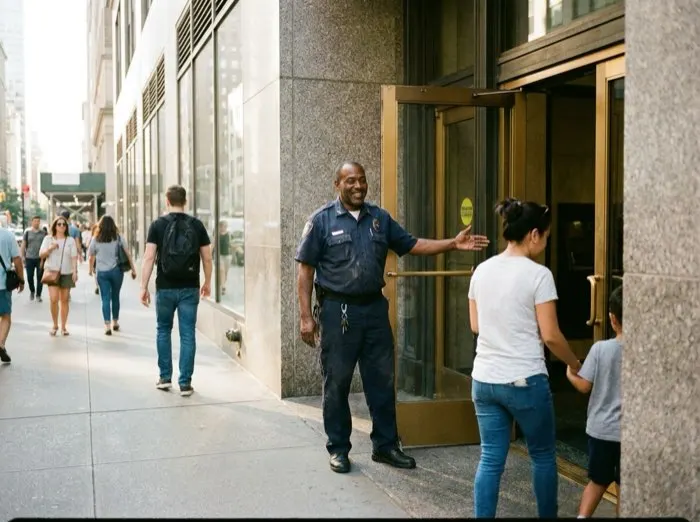
If you want to move to Austria from outside the European Union to work as a security guard, you need to understand the real job market before spending time and money. Here is the honest truth right at the start: visa sponsorship for entry-level security guard jobs in Austria is very small for third-country nationals from South Asia, Africa, Latin America, the Balkans, or Central Asia.
Because security work involves public safety and legal responsibility, Austrian regulations are strict. Security guards are not on Austria national shortage-occupation list. Austrian employers can usually find workers who already live in the country or hold EU citizenship. If you need an employer to sponsor your first work permit and you do not speak German, Germany is a better target due to its larger market and standard pathways like the 34a qualification. Alternatively, seasonal hotel work or warehouse logistics in Austria offer higher visa success rates. However, if you already have legal European residence, strong German skills, or specialized safety credentials, Austria offers safe working conditions and reliable pay. Here is how the system works in 2026.
1. Rules, Licences, and Language Requirements in Austria
Security work in Austria is legally governed by the trade regulations known as the Gewerbeordnung (specifically section 129 GewO for the Bewachungsgewerbe). The Austrian government treats security as a regulated trade. Employers are held legally responsible for every guard they place on duty.
To work legally in security within Austria, you must meet several non-negotiable requirements:
- German Language Skills: You must speak and read German at a minimum of B1 level, and B2 is preferred by most commercial clients. Guards must write shift logs (Dienstbuch), speak with visitors, report incidents to local police (Polizei), and understand emergency instructions. English alone is not enough for standard security roles in Austria.
- Background and Character Check: You need a spotless criminal record. Employers will request a official police clearance certificate (Strafregisterbescheinigung) from Austria, as well as a certified translation of your police record from your home country. Any history of violence, theft, or serious offenses will result in an immediate rejection.
- Official Registration: Security companies in Austria must register their employees with local administrative authorities (Bezirkshauptmannschaft or Magistrat). There is no single individual security licence card issued directly to the worker like in some other countries; instead, the employer approves your background and registers your position under their trade licence.
- Specialized Certifications: Having additional local credentials makes you far more employable. The most valuable basic certifications in Austria are the fire safety officer course (Brandschutzwart) and a certified first aid training certificate (Ersthelfer). These courses are organized through institutions like the Economic Chamber of Commerce (Wirtschaftskammer Österreich or WKO) or safety institutes like the TÜV.
2. Where the Security Jobs Are Located in Austria
Job opportunities for security personnel are concentrated in major urban centers, transport hubs, and industrial districts. Understanding where security guards work helps you target the right locations:
- Vienna (Wien): As the capital city, Vienna has the highest concentration of security positions. Roles include monitoring commercial office buildings, protecting shopping venues, guarding public transit sites, and staffing international events.
- Schwechat: Located just outside Vienna, Schwechat is home to Vienna International Airport (Flughafen Wien). Cargo facilities, airport logistics zones, and aviation security providers hire guards year-round for access control and perimeter patrols.
- Linz and Upper Austria: Linz is Austria major industrial hub. Steel manufacturing zones, chemical plants, and heavy industrial parks hire security personnel for strict gate access control, vehicle checks, and night patrols.
- Graz and Salzburg: These cities offer security positions in retail monitoring, hospital site management, logistics centers, and seasonal event security during major cultural festivals and winter tourism rushes.
The hiring cycle in Austrian security stays relatively steady throughout the year, but demand rises slightly in late autumn for holiday retail security and during the summer event season.
3. Pay Rates, Allowances, and Union Contracts
Pay rates for security guards in Austria are set by a mandatory nationwide collective agreement (Kollektivvertrag für das Bewachungsgewerbe). This contract ensures that every security worker receives fair basic pay regardless of their origin.
- Hourly Gross Wages: Basic hourly wages for standard entry-level static security guards range from roughly 12.50 Euros to 14.50 Euros gross per hour. Specialist roles, such as mobile patrol drivers, airport screening guards, or alarm response technicians, earn between 14.50 Euros and 17.00 Euros gross per hour.
- Monthly Net Pay: For a standard full-time workload of 173 hours per month, a basic security guard usually earns between 1,600 Euros and 2,050 Euros net (after tax and social security deductions).
- 13th and 14th Month Pay: Austria has a mandatory extra pay structure. Every year, full-time workers receive two additional bonus payments: one for summer vacation (Urlaubsgeld) and one for Christmas (Weihnachtsgeld). These two extra payments are taxed at a much lower rate, adding significant value to your yearly net earnings.
- Night and Holiday Allowances: Working night shifts (Nachtzuschlag), Sundays, or official public holidays adds hourly bonuses to your paycheck. Guards who regularly take night and weekend shifts take home higher net monthly totals.
4. The Work Permit Process and Visa Reality
If you come from outside the EU or European Economic Area, you cannot simply travel to Austria on a tourist visa and start working. You need an official work and residence permit, known as the Red-White-Red Card (Rot-Weiss-Rot - Karte).
The Red-White-Red Card operates on a strict points system that evaluates your qualifications, professional experience, age, and language skills. The application process goes through the Austrian Public Employment Service (Arbeitsmarktservice or AMS).
- Labor Market Test: Before an employer can hire a non-EU citizen for a security role, the AMS conducts a labor market check (Ersatzkraftverfahren). The employer must prove that no qualified Austrian or EU citizen is available to fill the open position.
- Shortage List Status: General security guard positions are not classified as shortage occupations (Mangelberufe) in Austria. Because of this, standard security roles almost never qualify for specialized fast-track visas.
- Realistic Visa Pathways: Third-country nationals usually land security jobs in Austria only after they have already secured residence through another legal pathway. Examples include moving to Austria via family reunification, holding a long-term student visa with part-time work rights, or possessing long-term residence status from another EU state. Direct visa sponsorship from abroad for basic guarding is extremely rare.
5. Reality Check: Misconceptions About Security Work in Austria
Many foreign candidates hold incorrect ideas about how the Austrian job market operates. Here are the facts you must know:
- Misconception: English is enough to work in Austrian security.
Reality: You must speak German. Communication with emergency services, clients, and local citizens happens strictly in German. - Misconception: Austrian security companies will send visa sponsorship to applicants overseas.
Reality: Companies rarely sponsor non-EU visas for entry-level security because local and EU job applicants are readily available. - Misconception: A police check from your home country is optional if you have worked abroad.
Reality: Austrian law requires complete official background checks covering your entire adult life. - Misconception: Security jobs in Austria automatically include firearm clearance.
Reality: Almost all commercial security positions in Austria are unarmed. Carrying firearms requires specialized licences (Waffenpass) that are strictly restricted. - Misconception: Pay rates are negotiated privately between you and the employer.
Reality: Minimum pay rates, overtime rules, and holiday bonuses are legally locked by the national collective agreement.
6. How to Build Your Qualifications for Austrian Employers
If you already have legal residence in Austria or hold EU citizenship and want to start a security career, focus on building qualifications that Austrian employers respect:
- Get Certified in German: Complete an official language exam such as ÖSD or Goethe-Zertifikat at B1 or B2 level. Having an official certificate on paper matters to Austrian hiring managers.
- Obtain Safety Credentials: Complete the Brandschutzwart (fire safety officer) or Ersthelfer (first aid) certifications through local Austrian training institutes once you arrive. These short courses increase your hiring value significantly.
- Prepare Official Translations: Get your high school or vocational diplomas, past employment references, and police clearance documents translated into German by a certified translator.
- Highlight Driver Licences: Holding a valid European driver licence (Kategorie B) qualifies you for higher-paying mobile patrol and alarm verification positions in industrial regions like Linz and Upper Austria.
7. Update Your Workuro Profile to Get Found
Employers and recruitment specialists search the Workuro database to find ready-to-work candidates who possess specific local credentials and language abilities. To ensure your profile appears in relevant searches, update it with precise details:
- List Your Exact German Level: Clearly state your current German proficiency level using the standard CEFR scale (A2, B1, B2). If you hold an ÖSD or Goethe certificate, list it explicitly.
- Specify Your Target Regions: Name the exact Austrian cities or regions where you are available to work, such as Vienna (Wien), Schwechat, Linz, Graz, or Salzburg.
- Detail Your Safety Certifications: Include any completed safety training, such as fire safety officer (Brandschutzwart), first aid (Ersthelfer), or industrial site monitoring.
- Upload Document Status: Indicate whether you hold clean criminal record documentation and a valid driver licence.
By keeping your Workuro profile clear, precise, and accurate, you help employers find you instantly when relevant opportunities open up in Austria and across Europe.
নিয়োগকর্তাদের নজরে আসতে প্রস্তুত?
২ মিনিটে আপনার প্রোফাইল তৈরি করুন। ফ্রি, কোনো ক্রেডিট কার্ড লাগবে না।
আরও পড়ুন