Scaffolder Jobs in Germany for Foreign Workers (2026)
 Germany
Scaffolding in Germany: Demand, Key Regions, and Seasons
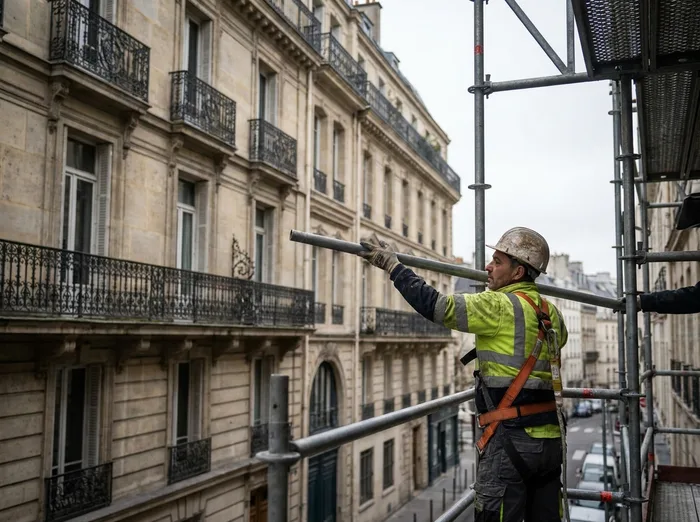
Germany is building, repairing, and modernizing its infrastructure on a massive scale. Because of a nationwide shortage of qualified manual trade workers, German scaffolding companies (Gerüstbauunternehmen) are actively recruiting scaffolders (Gerüstbauer) from outside the European Union. This is not temporary work on small houses. German employers need workers for heavy industrial plants, bridge restorations, refinery maintenance, and commercial high-rise projects.
If you have solid experience working at heights, Germany offers strong job stability and high safety standards. However, the work is concentrated in specific industrial hubs across the country. Knowing where the demand is highest will help you target your search effectively:
- The Ruhr Area (North Rhine-Westphalia): Cities like Essen, Dortmund, Duisburg, and Gelsenkirchen form Germany's industrial heartland. Steel mills, chemical plants, and massive logistics centers in this region require year-round scaffolding crews for continuous maintenance and retrofitting.
- The Chemical Triangle (Saxony-Anhalt and Saxony): Industrial sites around Leuna, Halle, and Bitterfeld-Wolfen host huge chemical manufacturing complexes. Scaffolding crews here work on specialized industrial towers and pipe bridges.
- The Port of Hamburg: Shipyards, container terminals, and maritime facilities in Hamburg hire industrial scaffolders to support ship repairs, warehouse extensions, and port structures.
- Southern Industrial Nodes (Bavaria and Baden-Württemberg): Automotive factories and commercial hubs around Munich, Stuttgart, and Nuremberg frequently contract scaffolding companies for factory upgrades and urban building projects.
Outdoor construction scaffolding follows a seasonal pattern. Hiring peaks between March and November when weather conditions are clear. However, industrial scaffolding inside power stations, chemical plants, and manufacturing sites runs twelve months a year. These industrial plants regularly conduct planned maintenance shutdowns (called Revisionen) in spring and autumn. During these turnaround periods, companies hire large numbers of temporary and permanent scaffolding crews.
Work Permit Routes for Non-EU Scaffolders in 2026
To work legally as a scaffolder in Germany if you come from outside the EU, you need a valid work visa and residence permit. Germany updated its Skilled Immigration Act (Fachkräfteeinwanderungsgesetz) to create smoother visa pathways for foreign trade workers. You cannot work on a visitor visa, and attempting to do so will result in deportation and entry bans.
Here are the primary visa pathways used by non-EU applicants:
- Practical Experience Pathway (§ 19c AufenthG): If you have at least two years of practical experience as a scaffolder over the past five years, plus a recognized vocational qualification or diploma from your home country, you can qualify for a work visa. Your employer must promise to pay you according to official collective bargaining wage standards.
- Fast-Track Skilled Worker Procedure (§ 81a AufenthG): Once a German scaffolding company offers you a contract, they can file for a fast-track approval with the local immigration office (Ausländerbehörde) in Germany on your behalf. This shortens the waiting time for your embassy visa interview.
- Opportunity Card (Chancenkarte): This points-based system allows you to enter Germany for up to one year to search for a job on the ground. Points are awarded based on your work experience, language skills, age, and foreign qualifications.
The visa approval process generally takes between 6 and 16 weeks after your employer submits your work contract to the Federal Employment Agency (Bundesagentur für Arbeit) for market approval. You do not pay the agency or government for your job contract; employers handle official filing fees.
Trade Recognition, Safety Certificates, and Language Standards
German job sites operate under strict safety laws enforced by the German Social Accident Insurance for the Construction Industry (BG BAU). German employers place far more value on certified safety awareness and practical tool experience than on theoretical degrees.
To work safely and legally on a German site, you must meet key technical standards:
- Medical Fitness Check (G41 Clearance): Before you climb your first frame in Germany, you must pass an occupational health exam (Arbeitsmedizinische Untersuchung G41) proving you are physically fit to work at height without dizziness or medical risks. Employers usually schedule and pay for this check when you arrive.
- Safety Certificate Contractors (SCC or SHE Card): If you work on chemical plants, power stations, or oil refineries, you must hold an SCC safety card. This certificate proves you understand site risk assessments, personal protective equipment (PPE), and emergency exit protocols.
- Modular Scaffolding Systems: German sites rarely use loose tube-and-coupler systems or bamboo. They use modern modular systems such as Layher Allround, Peri UP, or Alfix. If you already know how to assemble, alter, and dismantle these specific frame systems, point it out immediately to employers.
- Driver Licenses (Class C1 or C): Scaffolders do not just build; they haul materials. If you hold a valid truck driver license (Class C1 for vehicles up to 7.5 tonnes or Class C for heavy trucks), your value to a German employer doubles.
Language requirements vary depending on your position on the crew. Basic conversational German (A1 or A2 level) is usually enough for entry-level scaffolding helpers, provided you can understand basic directional commands and safety signs. However, crew leaders (Kolonnenführer) must speak German at a B1 or B2 level to read technical assembly drawings (Aufbau- und Verwendungsanleitung) and communicate with site safety inspectors.
Wages, Allowances, and Collective Bargaining
The scaffolding sector in Germany is governed by a binding national collective agreement (Tarifvertrag für das Gerüstbauer-Handwerk). This agreement sets minimum wage floors, overtime bonuses, and mandatory vacation contributions. It protects foreign workers from being underpaid compared to local workers.
Here is what you can expect in terms of real compensation:
- Hourly Gross Wages: Entry-level scaffolding helpers start at around 13.50 EUR to 15.50 EUR gross per hour. Qualified, experienced scaffolders earn between 16.50 EUR and 22.50 EUR gross per hour, while crew leaders can earn more.
- Monthly Net Pay: For a single worker with no children (Tax Class 1), a typical 165-hour working month results in a net take-home salary between 2,000 EUR and 2,750 EUR after income tax and social security deductions.
- Daily Allowances (Auslöse): When your company sends you to work on distant sites away from the primary depot, you receive a tax-free daily allowance (Auslöse) ranging from 14 EUR to 28 EUR per day to cover food and personal expenses.
- Overtime and Holiday Bonuses: Working overtime, night shifts, or Sunday shifts earns additional pay premiums, often 25 percent to 50 percent above your standard hourly rate.
- SOKA-GERÜSTBAU Protection: Scaffolding employers pay into a central social fund (SOKA-GERÜSTBAU). This system guarantees that you receive paid holiday days and holiday pay even if your project ends or you switch to another employer in the trade.
Reality Check: Common Myths About Working in Germany
- Myth: You can enter on a tourist visa and start working right away.
Reality: Working without an explicit work visa (Visum zur Erwerbstätigkeit) is illegal. German customs officials (Zoll) conduct unannounced checks on job sites. Illegal workers are detained, deported, and banned from entering Europe. - Myth: High gross wages mean you keep all the cash.
Reality: Deductions for income tax, health insurance, nursing care, unemployment insurance, and state pensions total about 35 percent to 40 percent of your gross salary. However, this tax covers your full medical insurance and social safety net. - Myth: English is enough for every construction job in Germany.
Reality: While multinational projects use English, most daily communication on German scaffolding sites happens in plain German. Learning basic trade German before you arrive is essential for your personal safety. - Myth: Housing is always free and private.
Reality: Employers often assist in finding worker accommodation (Montagezimmer), but rent is usually deducted from your monthly earnings unless specified in your travel allowance contract. You will often share apartment facilities with crew members.
How to Set Up Your Workuro Profile to Get Hired
German employers search Workuro to find foreign trade workers whose experience fits their specific job orders. Because employers pay for registration, administrative processing, and visa support, they focus on profiles that show complete, verifiable technical details.
To make your Workuro profile stand out to recruiters in Germany, include these exact specifics:
- Name Specific Equipment Systems: List the exact scaffolding brands you have assembled, such as Layher Allround, Peri UP, Alfix, or Hünnebeck.
- Specify Your Height Experience: Detail the maximum working heights you are comfortable with (such as 25 meters or 50 meters) and whether you have experience with suspended scaffolds, industrial towers, or weather-protection roofs.
- Include Your Driving Licenses: State clearly if you hold a Class B, Class C1, or Class C driver license, along with any heavy equipment operator tickets.
- Be Honest About Language Levels: Clearly state your current level in German (A1, A2, B1, or none) and English. Employers appreciate honesty, as they can pair you with bilingual crew leaders if needed.
- Select Target Industrial Regions: Select key German regions on your profile, such as North Rhine-Westphalia, Saxony-Anhalt, or Hamburg, where scaffolding demand is highest.
- Upload Proof of Training: Attach copies of any valid height safety certificates, medical fitness checks, or vocational diplomas to build trust immediately.
A detailed and accurate profile on Workuro lets German scaffolding contractors evaluate your profile quickly, contact you directly, and begin your visa process for a career in Germany.
Chcesz dać się znaleźć pracodawcom?
Stwórz profil w 2 minuty. Za darmo, bez karty.
Czytaj dalej