Tiler and Floor Layer Jobs in Malta for Foreign Workers (2026)
 Malta
MaltaDemand for Tilers and Floor Layers in Malta
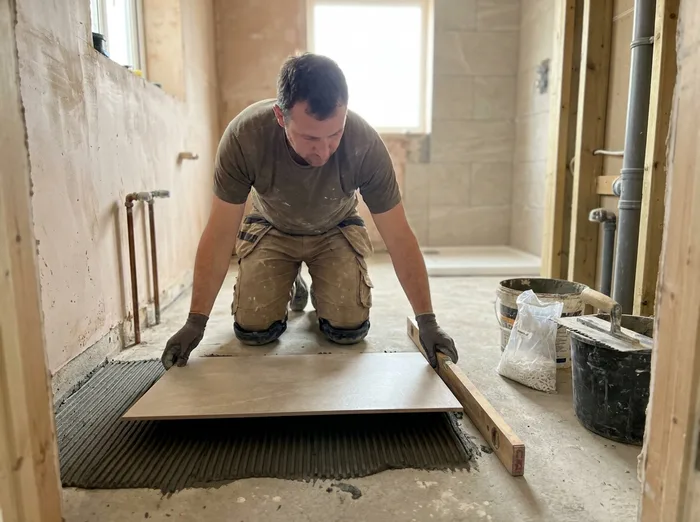
If you are a skilled tiler or floor layer looking for work in Europe, Malta is one of the most active job markets you can target in 2026. Because of Malta's Mediterranean climate and limestone geology, almost every building on the island uses ceramic, porcelain, or natural stone tile floors. Wooden flooring and carpet are rarely used due to high summer temperatures and coastal humidity. As a result, qualified tilers are consistently needed for residential apartment blocks, commercial centers, and major hotel renovations.
The hiring season in Malta operates on a specific cycle. While residential construction continues throughout the year, commercial fit-outs and hotel refurbishment projects peak between November and April. Tourism property owners rush to finish renovations before the summer season begins in May. Employers look for foreign workers who can start quickly during these winter and spring preparation windows.
Construction activity is concentrated in specific areas across the islands:
- Northern Harbour Region: Sliema, St. Julian's, and Gzira have constant luxury apartment builds and hotel upgrades.
- Northern Region: St. Paul's Bay, Bugibba, and Mellieha see heavy multi-family housing development.
- Central Industrial Zone: Qormi, Birkirkara, and Luqa house the main contractor yards, tile importers, and workshop facilities.
- Gozo: The smaller sister island has steady boutique hotel and farmhouse conversion projects in places like Victoria and Xaghra.
Work Permits and Legal Requirements in Malta
As a worker from outside the European Union (such as South Asia, Africa, Latin America, Central Asia, or the Western Balkans), you cannot travel to Malta on a tourist visa to work. You must secure a job offer first so your employer can apply for a work permit on your behalf.
The permit process in Malta is managed by Identita (the national identity agency) through the Single Permit application route. This process combines your work permit and residence authorization into a single card. Here is how the legal framework functions for floor layers in 2026:
- Single Permit Route: Your employer submits your file online to Identita while you are still in your home country. Processing usually takes between two and four months.
- Jobsplus Labor Market Test: Jobsplus, the government employment agency, must verify that no local or EU citizen is available to fill the position before approving your application.
- BCA Skill Card: The Building and Construction Authority (BCA) requires construction workers in Malta to hold a registered Skill Card. Your employer helps submit your trade credentials to show you are competent in site safety and tiling techniques.
- Qualification Recognition: If you hold a formal diploma or trade certificate, it may need to be evaluated by the Malta Further and Higher Education Authority (MFHEA) to establish its European Qualifications Framework (EQF) equivalent.
Pay Rates and Cost of Living for Tilers in Malta
Pay rates in Malta are paid in Euros (€). For a skilled tiler, pay is usually calculated as an hourly rate or a fixed monthly salary. In Malta, employers deduct income tax and National Insurance (social security) directly from your paycheck under the Final Settlement System (FSS).
Here is what you can expect regarding income and basic living expenses:
- Monthly Net Pay: A skilled tiler with proven experience earns between €1,100 and €1,600 net per month after taxes. Entry-level floor layers or assistants earn closer to €950 to €1,100 net per month.
- Overtime Opportunities: Finishing deadlines on commercial projects often lead to weekend or evening overtime work, which is typically paid at 1.5 times your standard hourly rate.
- Housing Expenses: Rent is your largest cost. A single bed in a shared apartment for workers generally costs between €300 and €450 per month, depending on the location. Living outside prime tourist zones like Sliema lowers your rent expenses.
- Food and Transport: Basic groceries cost around €200 to €250 per month. Public buses are affordable, and many construction companies provide shared van transport from local hubs to job sites.
Required Technical Skills, Tools, and English Language Level
Maltese contractors expect foreign tilers to be productive from their first week on the job site. You must know how to work with local materials and structural conditions.
Key skills and equipment proficiencies employers ask for include:
- Material Mastery: Expert handling of large-format porcelain slabs, ceramic wall tiles, granite, terrazzo, and Maltese limestone (globigerina).
- Subfloor Preparation: Laying sand-and-cement screeds, self-leveling compounds, and applying liquid waterproofing membranes in bathrooms, balconies, and flat roofs.
- Tool Operation: Daily use of manual rail cutters, electric wet saws with diamond blades, laser leveling equipment, and motorized adhesive mixers.
- Language Ability: You do not need to speak Maltese, but you must have practical English skills. Site managers, safety officers, and clients communicate in basic to intermediate English. You must be able to read project drawings, understand safety warnings, and follow instructions in English.
Reality Check: Common Misconceptions About Working in Malta
Many foreign workers face unexpected delays or disappointments because they hold incorrect assumptions about the recruitment process. Read these facts carefully:
- You cannot work while waiting on a tourist visa: Working on a tourist visa is illegal in Malta and leads to deportation and an entry ban for the entire Schengen Zone.
- You are tied to your initial employer: Your first Single Permit is legally linked to the specific employer who sponsored you. Changing jobs during your first year requires a new application process through Identita.
- Laminate and carpet work is minimal: If your only experience is laying vinyl strips or carpet, you will struggle to find work in Malta. Over 85 percent of flooring work on the island involves wet-trade tile laying and screeding.
- Applications take time: Do not expect to move in two weeks. Between document gathering, Identita processing, and VFS visa appointments, the realistic timeline is 90 to 120 days.
Step-by-Step Hiring Process for Non-EU Floor Layers
Understanding the order of operations will help you avoid mistakes and keep your immigration process moving smoothly:
- Step 1: Secure an Offer: Connect with verified Maltese contractors through platforms like Workuro and complete a remote technical interview or practical video review.
- Step 2: Sign the Employment Contract: Review your contract details, including gross wage, weekly hours (usually 40 hours standard), and work location.
- Step 3: Document Submission: Provide your employer with clear passport scans, your curriculum vitae, trade certificates, and past employment reference letters.
- Step 4: Identita Application: Your employer submits the Single Permit file in Malta. Once provisionally approved, Identita issues an official Approval in Principle letter.
- Step 5: Visa Issuance: Submit your passport along with the Approval in Principle letter to the nearest Maltese diplomatic mission or VFS Global center to receive your Type D entry visa.
- Step 6: Arrival and Final Processing: Arrive in Malta, complete your medical screening and biometrics at the Identita office in Msida, registration for your BCA Skill Card, and receive your e-Residence card.
Set Up Your Workuro Profile to Get Found by Maltese Employers
Maltese building contractors and recruitment specialists search the Workuro registry directly when they need to hire tilers and floor layers from non-EU countries. Because employers pay for the recruitment process, your profile must instantly show them that you possess the exact trade skills they need.
To maximize your chances of being selected by a contractor in Malta, make sure your Workuro profile includes these exact details:
- Specific Trade Skills: List your experience with ceramic tiles, large-format porcelain, marble, wet-room waterproofing, and sand-and-cement screed laying.
- Tools You Master: Mention wet-tile saws, manual cutters, laser levels, and surface grinders.
- English Level: State your English speaking and comprehension level clearly, as site managers filter candidates by language ability.
- Target Regions: Indicate your willingness to work across major construction areas in Malta, such as Birkirkara, Qormi, St. Paul's Bay, Sliema, or Gozo.
- Certificates and Documents: Mention any formal trade diplomas, vocational qualifications, or prior international work permits you have held.
Pronto para ser encontrado?
Crie seu perfil em 2 minutos. Grátis, sem cartão de crédito.
Continue lendo