Welder Jobs in Slovakia for Foreign Workers (2026)
 Slovakia
Why Slovakia is a Top Destination for Welders in 2026
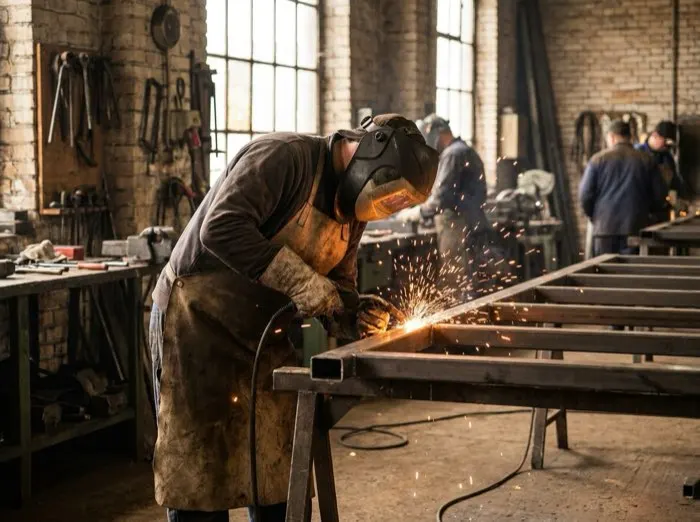
If you are a skilled welder from South Asia, Africa, Latin America, the Balkans, or Central Asia, Europe is likely on your radar. Among all the countries in the European Union, Slovakia stands out as an industrial powerhouse. Slovakia produces more cars per capita than any other country in the world. This massive focus on manufacturing, heavy machinery, and automotive production means one thing: the demand for skilled welders is exceptionally high.
Unlike some Western European countries where heavy manufacturing has slowed down, Slovakia continues to expand its industrial base. New factories are opening, and existing plants are constantly upgrading their production lines. Because the local Slovak workforce cannot keep up with this rapid industrial growth, Slovak employers look abroad. They actively hire international welders to fill the gap.
In this guide, we will break down everything you need to know about moving to Slovakia as a welder in 2026. We will cover where the jobs are, the exact certificates you need, how the visa process works, and what you can realistically expect to earn and save.
Top Industrial Regions for Welder Jobs in Slovakia
Welding jobs in Slovakia are not spread out evenly. They are concentrated in specific industrial hubs and regions. Knowing these regions will help you target your job search and understand where you might live. Here are the main areas where employers are constantly searching for welders:
- The Western Region (Bratislava, Trnava, and Nitra): This is the heart of Slovakia-s automotive industry. Huge plants like Volkswagen in Bratislava, Stellantis in Trnava, and Jaguar Land Rover in Nitra drive the local economy. There is a constant demand for MIG/MAG welders to work on assembly lines, chassis fabrication, and tooling maintenance. While the cost of living here is higher, the infrastructure is excellent.
- The Northern and Central Region (Žilina and Martin): This region is famous for heavy engineering, railway carriage production, and automotive manufacturing (including the Kia plant in Žilina). Welders here often work on thick structural steel, heavy machinery parts, and large-scale industrial equipment. Martin has a long history of heavy metal fabrication, making it a prime spot for experienced structural welders.
- The Eastern Region (Košice and Prešov): Košice is home to one of the largest steel mills in Central Europe. The region is a major hub for metallurgy, steel fabrication, and heavy industrial construction. Additionally, Volvo is building a major electric vehicle plant near Košice, which will create thousands of industrial jobs by 2026. Living costs in the east are generally lower than in the west, which can help you save more of your income.
Required Welding Certificates and Qualifications
Slovak employers cannot just take your word that you know how to weld. Because of strict European safety and quality standards, you must prove your skills with recognized qualifications. If you want to work in Slovakia, you need to understand the following certification requirements:
- EN ISO 9606-1 Certification: This is the most critical standard for fusion welding of steels in Europe. Most Slovak employers will require you to hold a valid certificate under this standard. The certificate must specify the welding process, joint type, weld type, filler material, and welding position you are qualified for.
- Welding Methods (ISO Codes): You should know which specific methods you are certified in. The most common in Slovakia are Method 135 (Metal Active Gas - MAG), Method 136 (Flux-cored arc welding), Method 141 (Tungsten Inert Gas - TIG), and Method 111 (Manual Metal Arc - MMA). TIG (141) welders who can work on stainless steel and high-pressure pipes are highly valued and command the highest salaries.
- The Slovak Welding Research Institute (VÚZ): The "Výskumný ústav zváračský" (VÚZ) in Bratislava is the national authority on welding standards. While you do not need to contact them directly before you arrive, your employer might send your foreign certificates to them for validation, or require you to take a renewal test certified by them once you land in Slovakia.
- The Practical Welding Test: No matter what certificates you hold on paper, almost every Slovak employer will require you to pass a practical test (called a "skúška zvárania") on your first day at the facility. You will be asked to weld a sample joint in a specific position (for example, overhead or vertical up). If your weld passes a visual inspection or an X-ray test, your contract is finalized. If you fail, you cannot start work.
Slovak Work Permits and the Shortage Occupation List
As a non-EU citizen, you cannot simply buy a ticket to Slovakia and start working. You need a legal work permit and a residence visa. Fortunately, Slovakia has a streamlined system for trades that are in high demand.
- The Shortage Occupation List: The Central Office of Labour, Social Affairs and Family (UPSVaR) publishes a quarterly list of occupations facing severe labor shortages by region. Welder (specifically "zvárač") is almost always on this list for the Bratislava, Trnava, Žilina, and Košice regions.
- The Single Permit (Jednotné povolenie): If a welding job is on the regional shortage list, the employer can hire you through a simplified process. This combined work and residence permit allows you to live and work in Slovakia for a specific employer. The application is submitted at the Slovak Embassy in your home country or directly at the Foreign Police (Cudzinecká polícia) in Slovakia if you enter legally.
- Processing Times: The official processing time for a single permit is up to 90 days after the complete application is submitted, though preparation of documents can take another 1 to 2 months. You must plan for a total timeline of 3 to 6 months from your first interview to your arrival in Slovakia.
- Required Documents: You will need a valid passport, a clean criminal record certificate from your home country (apostilled or superlegalized, and translated into Slovak by an official translator), a certified copy of your welding school diploma or certificates, and an official job offer or contract from your Slovak employer.
Salaries, Working Hours, and Language Realities
What can you actually expect to earn and experience on the job in Slovakia? Let-s look at the realistic numbers and working conditions for 2026.
- Realistic Net Salaries: For a standard MAG welder (Method 135) working 160 hours a month, the typical starting net salary (after taxes and social contributions) ranges from 1,100 EUR to 1,500 EUR per month. Highly skilled TIG welders (Method 141) working on specialized piping or pressure vessels can earn between 1,600 EUR and 2,200 EUR net per month.
- Overtime and Shift Work: Most Slovak industrial plants operate on a two-shift or three-shift system (morning, afternoon, and night shifts). Employers frequently offer overtime hours. Working night shifts, weekends, or overtime will increase your monthly take-home pay, as these shifts carry mandatory legal bonuses under Slovak labor laws.
- Accommodation and Transport: Many employers hiring foreign welders provide free or heavily subsidized housing in worker hostels (called "ubytovňa"). These are usually shared rooms with communal kitchens. Some employers also arrange free shuttle buses from the hostel to the factory gate.
- Language Requirements: You do not need to speak fluent Slovak to get hired. Many large factories employ international coordinators who speak English, Russian, or Hindi to help you with safety briefings and daily tasks. However, learning basic Slovak terms for tools, directions, and safety warnings will make your life much easier and show your team that you are reliable.
Reality Check: Common Misconceptions
It is easy to get excited about working in Europe, but you must have realistic expectations. Here are the things foreign workers often get wrong about welding in Slovakia:
- The "No Test" Myth: Some agencies might tell you that your certificates are enough and you will not have to do a practical test. This is false. No serious Slovak factory will let you touch their production line without a physical welding test on-site. Practice your welding positions before you travel.
- The Tourist Visa Trap: You cannot legally work in Slovakia on a tourist visa or a Schengen visitor visa. If an agency tells you to travel to Slovakia as a tourist and they will "fix" your papers later, do not trust them. You must have a proper temporary residence permit for the purpose of employment. Working illegally can lead to deportation and a multi-year ban from the Schengen zone.
- The Instant Wealth Illusion: While salaries in Slovakia are much higher than in many developing nations, the cost of living in Europe is also higher. Food, phone plans, and personal items cost money. Calculate your potential savings based on the net salary, not the gross salary, and factor in what you will spend on daily life.
Update Your Workuro Profile to Get Found
Slovak employers and recruitment agencies use Workuro to search for qualified international welders. They do not just look for the word "welder"-they search for highly specific details. To make sure your profile appears at the top of their search results, you must include the exact details we discussed in this article.
Log in to your Workuro profile and make sure you list your specific welding methods using their standard ISO codes (such as MAG 135 or TIG 141). Clearly state if you hold a valid EN ISO 9606-1 certificate, and mention which certification body issued it. If you have experience in specific industries, like automotive assembly or heavy structural steel, write that down. Finally, name the Slovak regions you are willing to move to, such as Košice, Žilina, or Trnava. A complete, detailed profile is your best tool to help Slovak employers find you and start your visa process.
Handa ka na bang mahanap?
Gawin ang profile mo sa loob ng 2 minuto. Libre, walang credit card.
Magbasa pa