Scaffolder Jobs in Belgium for Foreign Workers (2026)
 Belgium
If you build scaffolding, Belgium is one of the most active places in Europe to find work right now. Large industrial zones, expanding chemical plants, and major city restoration projects create a constant need for qualified scaffolders. In local search terms, this role is called steigerbouwer in Dutch or monteur d'échafaudages in French.
Demand is especially strong in industrial plant maintenance and heavy port services. Because local European construction crews cannot fill every open position, Belgian employers regularly look outside the European Union to hire experienced workers from South Asia, Africa, Latin America, Central Asia, and the Balkans.
This guide explains how scaffolding hiring works in Belgium, what safety certificates you need, what you can expect to earn, and how the legal work permit process functions for non-EU workers in 2026.
Where the Scaffolding Jobs Are in Belgium
Belgium is a compact country, but its industrial capacity is huge. Scaffolding work is concentrated in specific geographic zones. Knowing where these industrial hubs are helps you target the right employers and region.
- The Port of Antwerp: This is the second-largest shipping port in Europe and a major petrochemical cluster. Chemical refineries, storage tanks, and manufacturing facilities need heavy industrial scaffolding built year-round for regular maintenance and scheduled shutdowns.
- North Sea Port (Ghent area): Located in the Flemish region, this industrial zone has major automotive, steel, and renewable energy sites that constantly hire industrial scaffolding crews.
- Zeebrugge and coastal zones: Work here focuses on natural gas terminals, port logistics, and offshore wind support yards.
- The Wallonian Industrial Corridor (Liège and Charleroi): In the southern, French-speaking part of Belgium, demand centers on heavy machinery plants, steel mills, bridge repairs, and civil infrastructure.
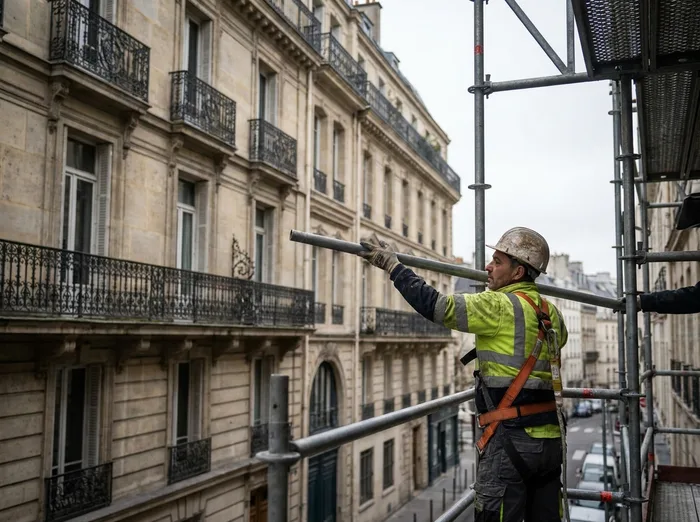
- Urban centers (Brussels, Antwerp, Ghent city centers): Commercial and residential building renovations require lighter facade scaffolding systems to cover historic buildings safely.
In the industrial port sectors, hiring happens all year long because chemical plant maintenance cycles happen continuously across winter, spring, and autumn. Civil construction slows slightly during freezing weeks in January and February, but industrial port maintenance never stops.
Certificates and Safety Cards You Need
Belgium enforces strict safety laws on all construction sites. Employers cannot let you set foot on an industrial site without basic safety credentials. Having these before you apply, or showing that you understand them, sets your profile apart from other applicants.
- VCA Certificate (Veiligheid, Gezondheid en Milieu): This safety credential is mandatory across Belgian industry. VCA Basic (VCA Basis) is required for all crew members, while VCA Vol is required for crew leaders. You must pass a 40-question multiple-choice exam on job site safety. Training centers in Europe offer this exam in multiple languages, including English, French, Dutch, Spanish, and Polish.
- Constructiv Scaffolding Attestation: Constructiv is the official health and safety organization for the Belgian construction sector. They issue recognized competency cards for basic scaffolders and advanced scaffolders. Employers look for workers who know European assembly standards like EN 12810 and EN 12811.
- Medical Fitness Card: Working at heights in Belgium requires a mandatory medical check-up by an approved occupational health service (such as IDEWE or Cohezio) before your work permit is finalized.
- Driver's License: A valid driver's license (Category B or C) is a major advantage. Scaffolding crews in Belgium frequently drive company vans loaded with tools and material from central yards out to client sites.
Work Permits and Shortage Lists for Non-EU Workers
If you come from outside the European Union, you cannot simply travel to Belgium on a tourist visa and look for work. You need a formal combined work and residence document called the Single Permit (Gecombineerde vergunning in Dutch or Permis unique in French).
Here is how the hiring process works for non-EU applicants:
- Shortage occupation status: Scaffolder is officially recognized as a shortage trade (knelpuntberoep) by VDAB in Flanders and FOREM in Wallonia. Because Belgian companies face a genuine local labor shortage, the government allows them to sponsor foreign workers under flexible rules.
- Employer application: The Belgian employer must submit the Single Permit application on your behalf to the regional migration authority (Flemish region, Walloon region, or Brussels region). You cannot apply for this permit on your own.
- Processing timeline: Expect the permit approval to take between 3 and 5 months from the day your employer submits the completed file to the government.
- Document requirements: You will need a clean police background check from your country of residence, a valid passport, a medical certificate signed by a recognized panel doctor, and your signed employment contract.
Pay, Union Rates, and Working Hours
Pay and working conditions in Belgian construction are protected by a strict legal agreement called Joint Committee 124 (Paritair Comité 124 - Bouw). This means every registered employer must pay at least the legal minimum wage set for your skill category.
- Starting net pay: A non-EU scaffolder entering Belgium usually earns between €1,950 and €2,300 net per month after income tax and social security deductions.
- Experienced net pay: Advanced scaffolders or team leaders (ploegbaas) with industrial port experience earn between €2,400 and €2,850 net per month.
- Gross hourly rates: Under PC 124 rules, starting gross wages range from roughly €17.15 to €20.50 per hour, depending on your experience level and job classification.
- Allowances and bonuses: Construction workers receive extra pay for working at height, daily travel allowances (mobility pay), end-of-year bonuses (thirteenth-month pay), and eco-vouchers. Overtime is paid at 150% to 200% for weekend or night shifts.
- Working hours: Standard full-time schedules are 38 hours per week, usually Monday to Friday. During industrial plant maintenance turnarounds, shift hours can be longer, providing opportunities for extra income through legal overtime pay.
Language and Daily Work Culture
You do not need to speak fluent Dutch or French to work as a scaffolder in Belgium, but basic functional communication is necessary for safety on the job site.
- Flanders and Antwerp Port: English is widely spoken in industrial sites and port operations. Safety briefings and VCA exams are commonly available in English. Learning key Dutch terms for tools and site directions will help you connect with your team.
- Wallonia: French is essential in the southern region. Companies operating in Liège or Charleroi rarely conduct day-to-day operations in English.
- Multicultural crews: Scaffolding teams in Belgium are diverse. You will work alongside colleagues from Eastern Europe, Southern Europe, and various non-EU countries. English serves as the primary practical bridge language on major industrial job sites.
Reality Check: Things People Get Wrong About Belgium
Here are four common misunderstandings foreign workers have before coming to Belgium:
- Myth: You can enter Belgium on a tourist visa and swap it for a work permit later. Reality: This is illegal under Belgian law. You must wait in your home country while your employer processes your Single Permit. You can only enter Belgium after your visa D is issued by the embassy.
- Myth: Overseas work experience counts without proof. Reality: Belgian employers want practical evidence. Be ready to provide reference contact details, photo portfolios of previous scaffolding builds, or complete a practical assessment when you start.
- Myth: Bad weather never stops scaffolding work. Reality: High winds, ice, and severe rain trigger mandatory safety stoppages under Belgian labor laws. While you are covered by temporary unemployment allowances during bad weather days, safety always takes priority over speed.
- Myth: Workers must pay a recruiter to get a job in Belgium. Reality: Legitimate Belgian employers cover government application fees and recruitment costs. You should never pay an agency or registry to get hired.
Put Your Specifics in Your Workuro Profile
Belgian employers and industrial contractors search Workuro directly when they need to fill open scaffolding slots with foreign workers. They use specific filters and keywords to find matching candidates.
To make sure your profile appears in relevant searches by Belgian hiring managers, include these exact details on Workuro:
- Certifications: Clearly list whether you hold a VCA Basic, VCA Vol, Layher system credential, or national trade certificate from your home country.
- System experience: Name the specific scaffolding systems you know how to build (such as Layher Allround, Cuplok, Kwikstage, or traditional tube-and-fitting).
- Target regions: State clearly if you are ready to relocate to Flanders (Antwerp, Ghent), Wallonia (Liège, Charleroi), or Brussels.
- Language skills: List your exact speaking level for English, French, or Dutch, even if it is basic conversational level.
- Work history: Upload clear photos showing complex industrial scaffolding, ring-lock systems, or facade projects you have personally constructed.
By keeping your profile accurate and detailed with these specifics, you make it easy for Belgian employers to review your qualifications and contact you for upcoming 2026 projects.
Готові, щоб вас знайшли?
Створіть профіль за 2 хвилини. Безкоштовно, без картки.
Читати далі