Farm and Agricultural Worker Jobs in Belgium for Foreign Workers
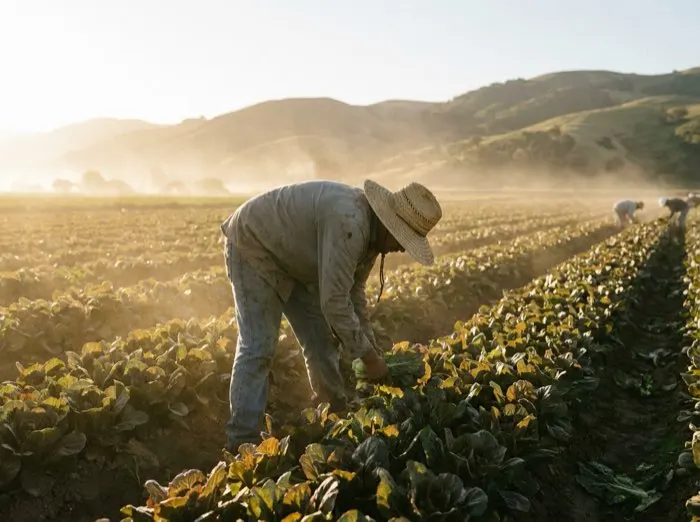
The reality of farm work in Belgium for non-EU jobseekers
If you are looking for agricultural work in Belgium from outside the European Union, you need to know the reality upfront. Belgium has a strong, modern agricultural sector, but its visa system makes a big distinction between general harvest pickers and skilled farm workers. Simple, short-term fruit picking is usually done by domestic workers or seasonal laborers from other EU countries. It is difficult for Belgian employers to secure visas for non-EU citizens for basic short-term seasonal work.
However, if you have specific practical skills, such as operating specialized machinery, driving farm equipment, managing greenhouse climate systems, or working in dairy production, Belgian farm employers do sponsor non-EU candidates. The demand for skilled agricultural workers is high, particularly in Flemish regions where labor shortages are severe.
If your goal is purely quick, unskilled field hand work without specialized machinery skills, nearby countries like Spain, Italy, or Portugal often offer clearer legal routes for short-term fruit pickers. But if you hold practical machinery certificates or years of experience managing farm systems, Belgium offers some of the highest wage guarantees and safest working conditions in Europe.
Where the jobs are: Key agricultural regions in Belgium
Belgium is divided into distinct regions, and agricultural hiring is concentrated in specific areas. Understanding where your trade is located helps you target the right employers and understand which local language is used on the farm.
- Limburg (Haspengouw area): Located in eastern Flanders, this area around Sint-Truiden and Borgloon is famous for fruit orchards. It produces massive harvests of pears, apples, and cherries. The region hires heavily from spring through late autumn. Dutch is the main language spoken here.
- Antwerp Province (Hoogstraten): This northern area is the center of Belgian greenhouse production, renowned for strawberries, tomatoes, and bell peppers. Greenhouse operations run almost year-round, requiring workers for maintenance, automated irrigation, sorting, and crop protection.
- West Flanders (Roeselare and Westrozebeke): This western province specializes in open-field vegetable farming, including leeks, spinach, carrots, and cauliflower. The farms here are highly mechanized and constantly look for skilled tractor drivers and heavy machinery operators.
- Wallonia (Hesbaye region and Namur): The French-speaking southern half of Belgium focuses heavily on large scale arable farming, growing wheat, sugar beets, and potatoes, as well as livestock operations. Farm employers here generally require basic French language skills.
Work permits, regulations, and mandatory certificates
To work legally on a Belgian farm as a non-EU citizen, you cannot simply arrive on a tourist visa and look for work. Everything must be processed in advance while you are in your home country.
The standard route for foreign workers is the Single Permit (known in Dutch as the Gecombineerde vergunning and in French as the Permis unique). This document combines both your work permit and your residence stay into a single application. Your Belgian employer must initiate this application on your behalf through the regional employment office in Belgium.
- Flanders Employment Agency (VDAB): Handles applications for farms in Limburg, Antwerp, and West Flanders. The VDAB maintains a shortage occupation list (knelpuntberoepen). Trades on this list, such as agricultural machinery operators and farm technicians, face much faster visa approval processes.
- Walloon Employment Agency (Forem): Handles applications for farms located in the southern French-speaking region of Wallonia.
- Phytolicence (Fytolicentie / Phytolicence): If your job involves handling, mixing, or applying chemical plant protection products or pesticides, Belgian law requires you to hold an official certificate issued by the Federal Public Service for Health, Food Chain Safety and Environment. Non-EU certificates are evaluated strictly, so having formal safety training on your record is vital.
- Category G Driving Licence: Driving a tractor or heavy agricultural vehicle on public Belgian roads requires a Category G driving licence. If you hold an international heavy vehicle licence or an equivalent agricultural licence from your home country, Belgian employers can often help convert it once your contract begins.
- Forklift Certificate (Attest heftruck): Many greenhouse and packaging centers use forklifts to move crates and pallets. Holding a recognized safety certificate for forklift operation gives you a major advantage when applying for sorting facility roles.
Pay rates, seasonal cycles, and working conditions
Belgium protects agricultural workers through legally binding sector agreements called Joint Committees (Paritair Comité in Dutch). Farm wages cannot fall below the minimum floors established by these union agreements. Pay scales are divided mainly between Joint Committee 144 for general agriculture and Joint Committee 145 for horticulture.
- Net monthly pay: A full-time farm worker in Belgium can expect to earn between €1,650 and €2,100 net per month after tax and social security deductions. Higher specialized roles, such as primary equipment mechanics or greenhouse technicians, can net more depending on hours.
- Hourly gross rates: Basic entry rates start around €10.80 to €13.50 gross per hour, with mandatory extra pay for overtime, weekend work, or night shifts.
- Seasonal hiring cycle: Peak outdoor hiring begins in March and April for field preparation and strawberry harvesting. Fruit orchard harvesting (pears and apples) peaks sharply between August and October. Vegetable farming in West Flanders runs late into autumn, while indoor greenhouse work in Antwerp continues throughout the winter months.
- Housing and accommodation: Belgian law requires farm employers who provide housing to meet strict health, safety, and space standards. Rent deducted from your salary for on-farm lodging must be fair and clearly written into your contract.
Reality check: Common mistakes foreign farm workers make
When applying for agricultural work in Belgium from abroad, avoid these widespread misunderstandings:
- Assuming a tourist visa can be converted inside Belgium: You cannot travel to Belgium as a tourist and ask for a work permit at a local farm. Applications must be approved before you leave your home country.
- Applying for general picking without machinery skills: Expecting a long-term visa for simple hand-picking of fruit usually leads to rejection. Highlighting equipment operations, machinery maintenance, or livestock management vastly improves your visa chances.
- Ignoring regional language needs: Flanders runs on Dutch, and Wallonia runs on French. While advanced fluency is not required for field work, knowing basic safety terms and commands in the correct local language is expected by supervisors.
- Confusing EU seasonal rules with non-EU rules: The Belgian 65-day seasonal work scheme (Plukkaart) is designed mainly for EU nationals. Non-EU citizens must follow the formal Single Permit procedure sponsored by an established farm owner.
Put these details into your Workuro profile
Belgian employers and recruitment managers actively search the Workuro registry to find workers who meet specific operational needs. To make sure your profile appears in their search results, you must include precise details rather than general statements.
When completing your Workuro profile, make sure you list:
- Specific licenses and machinery skills: Mention every vehicle or machine you can operate, such as tractors, harvesters, forklifts, or automated spraying systems. List any local safety certificates you hold.
- Language capabilities: State clearly your level of English, along with any basic knowledge of Dutch or French. Honest skill levels help employers know where you fit best on their farm.
- Target Belgian regions: Specify if you are looking to work in Flanders (such as Limburg, Antwerp, or West Flanders) or Wallonia, matching your skills to the dominant crops in those areas.
- Exact agricultural experience: List the exact crops you have worked with (such as top fruit, greenhouse berries, or open-field vegetables) and your specific duties (such as pruning, mechanical harvesting, sorting, or soil preparation).
A complete profile with clear, verifiable facts allows Belgian employers to evaluate your experience quickly and contact you directly when seasonal and permanent positions open up.
کیا آپ تلاش کے لیے تیار ہیں؟
2 منٹ میں اپنا پروفائل بنائیں۔ مفت، کوئی کریڈٹ کارڈ نہیں۔
مزید پڑھیں