Farm & Agricultural Jobs in Netherlands for Foreign Workers (2026)
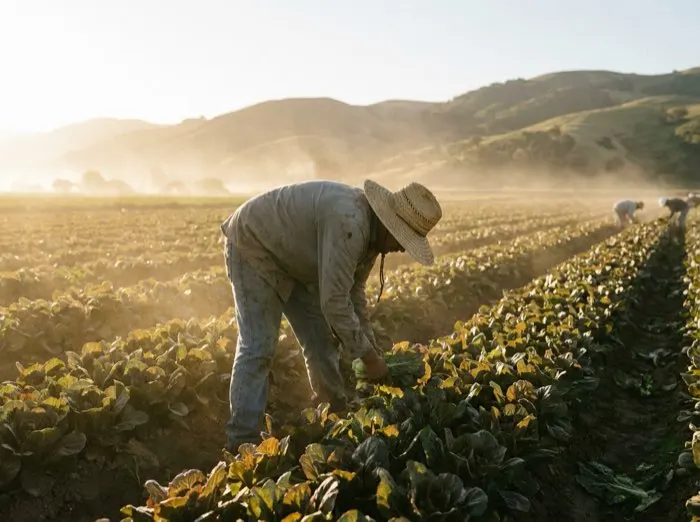
If you are looking for agricultural work in the Netherlands from outside the European Union, you need to know the reality of the job market before you start your search. The Netherlands is one of the world's largest exporters of agricultural products, but its recruitment rules are strict. For basic, entry-level outdoor fruit picking, Dutch farms rely almost entirely on workers from within the EU who do not need work permits. If you have no specialized farm experience and only want basic seasonal picking work, you will find broader visa options in countries like Germany or Spain.
However, the Dutch farm sector is not focused only on manual field gathering. It is a high-tech industry centered around automated greenhouses, plant breeding, and specialized equipment operations. If you have experience operating tractors, managing greenhouse crops, applying plant protection products, or handling livestock, Dutch employers can sponsor non-EU workers under official permit schemes. This guide explains how the system works in 2026, where the key farm regions are, what certificates help you get hired, and what pay you can expect.
1. Where the Agricultural Jobs Are Located
Agricultural activity in the Netherlands is grouped in specific regional hubs. Knowing these places helps you target employers who are registered to hire international candidates.
- Westland (South Holland): Known as the main greenhouse district of Europe. Towns like Naaldwijk, Monster, and Wateringen are filled with huge glasshouse operations growing tomatoes, sweet peppers, cucumbers, and flowers. Work here takes place indoors and runs throughout the year.
- Seed Valley (North Holland): Centered around Enkhuizen, Medemblik, and Zwaagdijk. This area specializes in seed technology, plant breeding, and vegetable trial grounds. Employers look for workers with careful handling skills and technical experience.
- Betuwe (Gelderland): The major fruit growing district located around Tiel and Geldermalsen. It focuses on apples, pears, cherries, and berries. Hiring here peaks sharply during the late summer and autumn harvest.
- Greenport Venlo (Limburg): A key hub near the German border that combines greenhouse farming, open field vegetable growing like asparagus, and large produce logistics warehouses.
- Zeeland and Flevoland: Coastal and polder regions dominated by large open field arable farms that grow potatoes, onions, and sugar beets. Jobs in these areas mostly require tractor drivers and machine operators.
2. Work Permits and the Sponsorship Process
To work legally in the Netherlands as a non-EU candidate, your employer must submit a work permit request to the Dutch Immigration and Naturalisation Service (IND). You cannot purchase or apply for a work permit on your own.
- Seasonal Work Permit (TWV): Valid for up to 24 weeks. The employer must show that they advertised the position across the Netherlands and the European Economic Area for at least five weeks without finding a suitable local worker.
- Single Permit (GVVA): Combines a residence permit and work permit for roles lasting longer than 90 days. This route is used for skilled greenhouse workers, farm technicians, and machine operators. Processing takes between 5 and 12 weeks.
- Sponsorship Requirement: Employers must prove to the government that they offer standard industry working conditions and pay that meets national standards before a permit is granted.
Because employers must prove that local workers were unavailable, non-EU candidates who secure permits usually hold specific skills. Having experience operating machinery, handling irrigation systems, or managing greenhouse climate computers makes an employer far more likely to sponsor your visa.
3. Pay Rates, Collective Bargaining, and Net Income
Wages in Dutch agriculture are governed by national collective bargaining agreements called CAO agreements. The main contracts covering this sector are the CAO Glastuinbouw (Greenhouse Horticulture) and the CAO Open Teelten (Open Field Agriculture).
Under Dutch law, all adult workers aged 21 and over receive at least the mandatory national hourly minimum wage. Pay rates increase based on your job classification, certifications, and previous experience.
- Entry-level greenhouse labor: Gross hourly pay typically ranges from €13.70 to €15.20.
- Skilled machine operators and tractor drivers: Gross hourly pay typically ranges from €15.50 to €18.50.
- Monthly net income: For a standard 38-hour work week, total gross monthly pay ranges from €2,250 to €2,850. After Dutch income tax and social contribution deductions, your typical net monthly take-home pay is between €1,900 and €2,300.
- Accommodation charges: If your employer or a registered employment agency (uitzendbureau) provides your housing, they are allowed by law to deduct rent directly from your wages, up to a maximum limit of 20% of your earnings.
- Overtime rates: Working overtime, weekend hours, or public holidays guarantees higher hourly pay rates (125% to 150% of your normal base pay) under the industry CAO.
4. Certificates, Equipment Licences, and Languages
Dutch agricultural operations place a heavy emphasis on health, safety, and equipment management. Holding basic licences speeds up your onboarding and makes your application competitive.
- VCA Safety Certificate (Basisveiligheid VCA): The standard safety qualification used across industries in the Netherlands. Holding a basic VCA certificate shows an employer that you understand workplace safety and hazard prevention.
- Forklift Licence (Heftruckcertificaat): Highly valuable for jobs in greenhouse packing centers and distribution warehouses in Westland and Venlo.
- Crop Protection Licence (Gewasbeschermingslicentie): Issued by Bureau Erkenningen in the Netherlands. If you hold a valid pesticide application certificate or crop spray licence from your home country, highlight it in your profile.
- Driving Licence: A valid category T (Tractor) or category B (Car) driving licence is required for arable farm positions in areas like Zeeland or Betuwe.
- Language Level: Fluent Dutch is rarely required for entry work, but you need basic conversational English (A2 or B1 level). English is the standard operational language used in multi-ethnic greenhouse teams and for reading safety instructions.
5. Seasonal Cycles and Hiring Timelines
Agricultural hiring in the Netherlands moves on a predictable calendar. Starting your contact with employers at the right time of year gives your work permit application enough time to be processed.
- Greenhouse Operations (Westland, Venlo): Hiring begins early in the year. Recruiters start sourcing workers in January and February for the primary growing season that runs from March to October. High-tech illuminated glasshouses hire year-round.
- Fruit Harvesting (Betuwe): Strawberry and cherry harvest runs from June to July. Apple and pear picking takes place from late August through October. Applications should be submitted at least three months in advance to leave time for TWV permit approval.
- Seed Production (Seed Valley): Field sampling and harvest take place during late summer. Seed cleaning, sorting, and packaging peak during late autumn and winter.
- Open Field Vegetables (Limburg, Zeeland): Planting occurs in March and April, while heavy harvesting and field sorting run from June through November.
6. Reality Check: Common Misconceptions About Dutch Farm Work
To avoid false promises and stay safe during your job search, keep these facts in mind:
- Myth: You can travel on a tourist visa and start working immediately. Reality: Working on a tourist visa is strictly illegal in the Netherlands. Employers face massive fines, and illegal workers face deportation and a multi-year ban from entering Europe. Your work permit must be approved before you travel.
- Myth: Every farm job will sponsor non-EU applicants. Reality: Employers can only sponsor non-EU workers if they cannot find candidates within the EU. Non-EU approvals are realistic mainly for skilled workers, machine drivers, or supervisory roles.
- Myth: Accommodation is completely free. Reality: Housing provided by employers is strictly regulated, but it is not free. Rent costs are deducted from your wage according to legal limits established in the CAO.
- Myth: You do not need health insurance. Reality: Basic Dutch health insurance (zorgverzekering) is mandatory by law for everyone living and working in the Netherlands from their first day of work.
7. How to Put These Details into Your Workuro Profile
European employers search the Workuro registry using specific technical terms, regional names, and certification titles. Including the exact terms mentioned in this article will make your profile appear in relevant search results.
- Name your exact agricultural skills: Avoid using general phrases like "farm worker." Use clear titles like "Greenhouse Harvest Worker," "Tractor Operator," or "Crop Care Specialist."
- List your licences clearly: Mention if you hold a forklift licence, a driver's licence, or experience operating farm equipment like sorting lines or irrigation systems.
- Highlight safety qualifications: Add details about any safety credentials you hold, such as a VCA certificate, first aid training, or chemical safety permits.
- Select target locations: Add specific Dutch regions like Westland, Greenport Venlo, Seed Valley, or Betuwe to your profile as preferred work areas.
- State your true language skills: Clearly list your English or Dutch level using international scale grades (such as A2, B1, or B2) so employers know you can follow workplace safety guidelines immediately.
کیا آپ تلاش کے لیے تیار ہیں؟
2 منٹ میں اپنا پروفائل بنائیں۔ مفت، کوئی کریڈٹ کارڈ نہیں۔
مزید پڑھیں