Farm & Agricultural Jobs in Austria for Foreigners (2026)
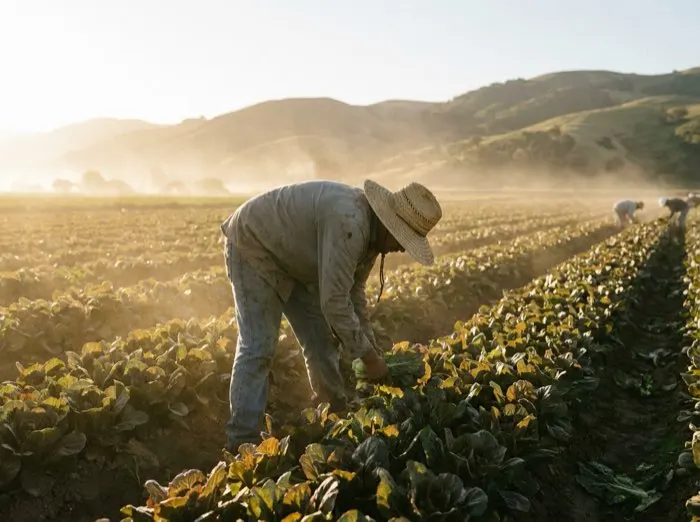
The reality of agricultural work in Austria for non-EU workers
Austria relies heavily on foreign labor every year to plant, care for, and harvest crops. However, if you are applying from outside the European Union (EU) or European Economic Area (EEA), you must understand how Austria regulates foreign farm workers before spending time on applications.
Most entry-level farm roles in Austria rely on temporary seasonal permits. These permits are strictly capped by national quotas set by the Austrian Public Employment Service (Arbeitsmarktservice, or AMS). If your main goal is to find basic crop picking work that leads directly to permanent residency or family reunification, standard seasonal picking will not qualify you for a Red-White-Red Card (Rot-Weiss-Rot-Karte). Permanent settlement visas are strictly reserved for skilled agricultural machinery technicians, livestock specialists, and farm management staff.
If you are looking for general seasonal field work without specialized trade qualifications, neighboring countries like Germany or Italy offer higher seasonal quotas for non-EU workers. However, if you possess machinery skills, experience driving farm equipment, or wish to work legally within Austria's official seasonal quota system, Austrian agricultural employers offer excellent working conditions, high safety standards, and guaranteed minimum wages under legal collective agreements.
Where the farm jobs are: Austria's key agricultural regions
Agricultural hiring in Austria is concentrated in specific state regions (Bundesländer). Knowing where specific crops grow helps you target employers in the right geographic areas.
- Marchfeld (Lower Austria / Niederösterreich): Located directly east of Vienna, this region is known as the vegetable garden of Austria. It has the highest concentration of open-field vegetable farms, producing asparagus, onions, carrots, and lettuce.
- Southern and Eastern Styria (Steiermark): Famous for fruit orchards and rolling hills. Major hiring hubs include districts around Weiz, Hartberg-Fürstenfeld, and Südoststeiermark. Key crops include apples, elderberries, peaches, and pumpkin seed oil production.
- Burgenland (Neusiedler See region): The warmest province in eastern Austria. It specializes in extensive vineyards (grape harvesting), greenhouse vegetables (tomatoes, peppers), and field crops.
- Eferding Basin (Upper Austria / Oberösterreich): Located along the Danube river, the Eferdinger Becken is famous for cucumber, cabbage, and pickling production, requiring large manual harvesting teams during summer.
- Tyrol and Salzburg (Alpine pastures): Alpine dairy and livestock operations hire seasonal herdsmen and farm hands (Senn/Sennerin) for mountain pasture management during the summer grazing season.
Seasonal hiring cycles and peak harvest dates
Farm work in Austria follows a strict climate cycle. Hiring begins months before the crops are ready for harvest, so timing your profile visibility is critical.
- Spring (March to May): Outdoor field preparation begins. Key activities include planting field vegetables, maintenance in vineyards, and the start of the white and green asparagus (Spargel) harvest in Marchfeld, which runs until late June.
- Summer (June to August): Peak vegetable and soft fruit harvest. Workers are needed for soft fruits (strawberries, cherries, blueberries), greenhouse crops, and cucumber picking in Upper Austria.
- Autumn (September to November): The heaviest workload of the year. Peak apple harvesting takes place across Styria, while grape harvesting (Weinlese) takes place in Burgenland, Lower Austria, and Styria. Pumpkin and root vegetable harvesting ends in late November.
- Winter (December to February): Field operations stop across most of Austria due to snow and freezing temperatures. Year-round positions during winter are limited to indoor operations such as dairy cattle care, pig breeding, machinery maintenance, and greenhouse operations.
Permits, laws, and collective agreement pay in 2026
Austria strictly enforces labor laws and visa regulations. Working illegally without official AMS registration leads to heavy fines for employers and deportation for workers. Understanding your legal route is essential.
- Seasonal Work Permit (Saisonier-Bewilligung): Your Austrian employer must apply for a seasonal labor permit at the local AMS office before you arrive. Permits are granted for a maximum of 6 months within a 12 month period. Once AMS approves the position, you apply for an entry visa (Visa C or Visa D) at the Austrian embassy in your country.
- Skilled Red-White-Red Card (Rot-Weiss-Rot-Karte): Reserved for qualified agricultural workers with formal training (such as agricultural machinery mechanics or qualified herd managers). Requires scoring points based on formal qualifications, relevant work experience, age, and German language skills.
- Collective Agreement Wages (Kollektivvertrag): Every agricultural worker in Austria is covered by regional agricultural collective agreements (Kollektivvertrag für landwirtschaftliche Arbeiter). Employers cannot legally pay you less than the trade minimum.
- Pay Ranges in 2026: Gross monthly wages for full-time (40 hours per week) general agricultural workers range between €1,650 and €2,000 gross per month. After deductions for Austrian social security (Sozialversicherung) and income tax, net monthly pay typically ranges from €1,350 to €1,600 net per month. Overtime during peak harvest increases these earnings.
- Accommodation Rules: Farm employers often provide housing on site. Housing costs can be deducted from your earnings, but the accommodation must meet strict local health standards and deductions are regulated by the regional Chamber of Agriculture (Landwirtschaftskammer).
Certificates and skills that boost your hiring chances
If you hold practical certificates, your application moves to the top of an employer's list. Austrian farm owners strongly prefer workers who can operate equipment over manual pickers alone.
- Category F Driving Licence (Traktorführerschein): A standard car licence (Category B) allows you to drive small vehicles, but a Category F licence or an international tractor endorsement is highly valued. Employers need staff who can transport harvested crops from fields to storage hubs legally on public roads.
- Plant Protection Certificate (Pflanzenschutzsachkundeausweis): Issued or recognized by the regional Landwirtschaftskammer. This certificate proves you are trained to handle, store, and apply crop protection products safely.
- Heavy Machinery Operation: Demonstrated experience operating combine harvesters, automated grape picking machines, or specialized vegetable harvesters is a major advantage.
- German Language Level: For seasonal field workers, basic German (A1 to A2) is useful for workplace safety. For supervisory roles or machinery maintenance, employers require conversational German (B1) because equipment manuals, safety notices, and work orders are written in German.
Reality check: Common mistakes foreign workers make
Many foreign job seekers waste time because they misunderstand how the Austrian agricultural sector operates. Avoid these common missteps:
- Assuming a picking job leads to permanent settlement: Seasonal permits (Saisonier) cannot be extended beyond 6 months and do not lead to permanent residency. You must return to your home country when the season ends.
- Applying for visas directly without an employer: You cannot apply for an Austrian farm work visa independently. The application process must start with an Austrian farm owner registering the vacancy with the local AMS.
- Expecting year-round field work: Austrian winters halt field operations. Do not expect farm work between December and March unless you have specific livestock or machinery maintenance qualifications.
- Ignoring local language requirements for skilled roles: While seasonal teams may speak various languages on the field, farm owners and managers communicate in German. Possessing basic German skills significantly improves your chances of being hired.
Build your Workuro profile to reach Austrian farm employers
Austrian farm owners search for candidates months before the harvesting season starts. They look for specific qualifications, physical capabilities, and machinery experience when selecting candidates for AMS permit applications.
When setting up your free Workuro profile, make sure you include the specific details mentioned in this guide:
- Select your specific agricultural skills (such as crop harvesting, vineyard care, livestock management, or machinery operation).
- List any licences you hold, especially tractor driving licences (Category F or equivalent) and machinery certifications.
- Indicate your exact German language proficiency level (from A1 beginner to fluent).
- Specify the Austrian regions you want to work in, such as Marchfeld, Styria, or Burgenland.
- Set your availability dates to match Austrian harvest cycles (such as March to October).
By filling out every section of your Workuro profile accurately, you make it easier for verified European employers to evaluate your background and contact you directly for open positions in Austria.
کیا آپ تلاش کے لیے تیار ہیں؟
2 منٹ میں اپنا پروفائل بنائیں۔ مفت، کوئی کریڈٹ کارڈ نہیں۔
مزید پڑھیں