Farm & Agricultural Jobs in Norway for Foreign Workers (2026)
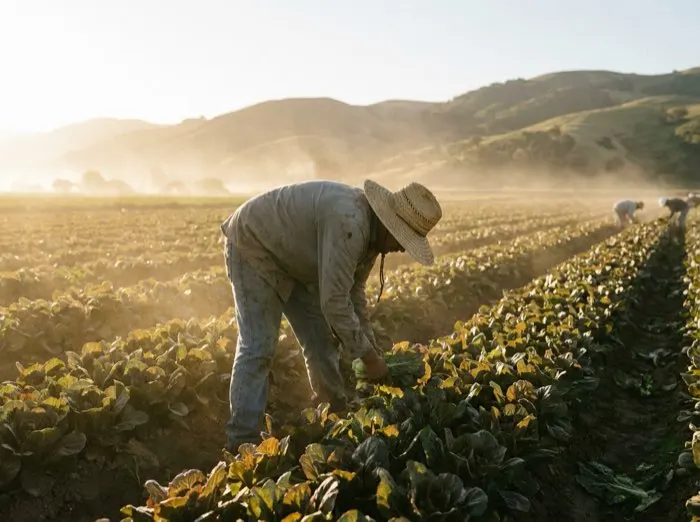
Agricultural Work in Norway for Foreign Applicants
If you want to work on a farm in Norway, you are looking at one of Europe's most organized and highly regulated agricultural sectors. Norway is known for clean production, modern technology, strong union protections, and high standards for animal welfare. For workers from outside the European Union (EU) or European Economic Area (EEA), getting a farm job in Norway is entirely possible, but you must follow exact legal channels through the Norwegian Directorate of Immigration (Utlendingsdirektoratet, or UDI).
Norway is not a place where you can travel on a tourist visa and start working in the fields. Every non-EU worker must have a concrete job offer from a registered Norwegian employer before submitting a work permit application. Farm jobs range from short seasonal contracts picking fruit to year-round work handling livestock or heavy machinery. This guide explains how the system operates in 2026, what you will earn, which permits you need, and where the farm jobs are located across the country.
1. Key Agricultural Regions and Hiring Seasons
Norway's climate and land shape where agriculture happens. Only about three percent of the country's land is arable, so farming is concentrated in specific valleys, coastal areas, and lowlands. Hiring follows a strict calendar, especially for crop and fruit production.
- Vestland (Hardanger Fjord area): Famous worldwide for fruit orchards. The towns around the Hardangerfjord, such as Ullensvang and Lofthus, produce cherries, plums, and apples. The main hiring period runs from late June through October. Cherries are harvested first in mid-summer, followed by plums and apples in late summer and autumn.
- Rogaland (Jæren district): Located in southwestern Norway, Jæren is the agricultural heartland for livestock and greenhouse production. Cities like Bryne, Varhaug, and Egersund host large dairy, cattle, sheep, and poultry farms, along with commercial tomato and cucumber greenhouses. Hiring in greenhouses starts in early spring (March or April), while livestock farms hire year-round.
- Innlandet (Hedmark and Oppland areas): The main region for grain, potatoes, and root vegetables around Lake Mjøsa and towns like Hamar, Elverum, and Ringsaker. Planting begins as soon as the soil thaws in April or May, with intensive harvesting running from August to October.
- Viken and Buskerud (Lier Valley): Located near Oslo, the Lier area is famous for outdoor vegetable farming, strawberries, and raspberries. Strawberry picking starts in late June and runs through July, while green vegetables are harvested through September.
If you want seasonal summer work, you must begin looking for an employer between December and February. Farm employers usually submit their seasonal workforce plans early so permits can be processed before the harvest begins in late spring.
2. Work Permits and Visa Routes (UDI Rules)
As a non-EU applicant from South Asia, Africa, Central Asia, Latin America, or the Balkans, you must secure a work permit from UDI before you enter Norway. Farm work generally falls into two distinct legal routes depending on your qualifications and the length of employment.
- Seasonal Worker Permit (Sesongarbeider): This is the most common permit for crop harvesters, fruit pickers, and temporary farm assistants. The contract can last for up to six months. Your job offer must be for full-time work (at least 37.5 hours per week) and must pay standard Norwegian tariff wages. After working six months on a seasonal permit, you must leave Norway and remain outside the country for at least six months before you can apply for a new seasonal permit.
- Skilled Worker Permit (Faglært): If you hold formal qualifications equivalent to a Norwegian trade certificate (fagbrev) in agriculture, machine operation, or veterinary assistance, you can apply as a skilled worker. You must have completed relevant vocational training or hold a university degree in agriculture. Skilled worker permits allow year-round residency, bring higher minimum pay, allow family immigration, and can lead to permanent residence after three years.
Processing times for UDI seasonal permits typically range from one to three months. Your employer in Norway can submit the application on your behalf if you grant them power of attorney, which speeds up the process significantly.
3. Wages, Minimum Tariff Rates, and Tax Deductions
Norway does not have a single national legal minimum wage, but agriculture is covered by a mandatory collective agreement (allmenngjort tariffavtale) negotiated by the labor union Fellesforbundet. All farm employers are legally required to pay at least these minimum rates, regardless of whether you are a temporary worker or a union member.
- Unskilled Seasonal Workers (Under 12 weeks): The minimum pay starts at around 150 to 160 NOK per hour for workers over 18 years old during their first three months of entry-level field work.
- Unskilled Seasonal Workers (Over 12 weeks): After 12 weeks of continuous work on Norwegian farms, the mandatory minimum rate rises to approximately 160 to 170 NOK per hour.
- Permanent or Qualified Farm Workers: Foreign workers with a recognized agricultural qualification or full-time permanent contracts earn between 180 and 215 NOK per hour, depending on experience and job duties.
- Overtime Allowances: Work beyond 37.5 hours per week or on public holidays earns an additional pay premium, usually a minimum 40 percent surcharge.
Taxes in Norway are managed by the Tax Administration (Skatteetaten). Foreign seasonal workers usually enter the Pay As You Earn scheme (Kildeskatt på lønn), which charges a flat 25 percent tax rate directly from your monthly pay check. This tax rate covers your income tax and national insurance contributions.
After tax, a seasonal farm worker working 40 hours per week typically receives a net monthly income between 18,000 NOK and 23,000 NOK. Employers who provide housing on or near the farm can deduct rent directly from your wages, but the rental cost must be reasonable and documented in your employment contract, usually ranging from 1,500 NOK to 3,500 NOK per month for shared living quarters.
4. Certificates, Licences, and Language Demands
Having formal certifications on your resume makes you much more appealing to Norwegian farm owners, especially for year-round positions involving equipment or chemical applications.
- Tractor Licence (Klasse T): Heavy machinery is central to modern Norwegian farming. If you hold a valid tractor or heavy vehicle driver's licence from your home country, you may be able to exchange or register it with the Norwegian Public Roads Administration (Statens vegvesen). Being able to drive standard tractors like John Deere, Massey Ferguson, or Valtra is a major advantage.
- Plant Protection Certificate (Sprøytesertifikat): To apply pesticides or plant protection products on Norwegian soil, farm workers must hold a valid certificate regulated by the Norwegian Food Safety Authority (Mattilsynet) and the Norwegian Agriculture Agency (Landbruksdirektoratet). While seasonal pickers do not need this, team leaders and permanent field hands do.
- Language Requirements: For seasonal crop harvesting, a basic understanding of spoken English is usually sufficient to understand safety instructions and daily work orders. For permanent roles in dairy farms, livestock management, or high-tech greenhouse operations, basic Norwegian language skills (level A2 or B1) are heavily preferred by farm owners.
5. Reality Check: Common Misconceptions About Farm Work in Norway
- Misconception: You can arrive on a visitor visa and find farm work on the spot. Fact: Non-EU citizens working without a permit issued prior to entry face immediate deportation, fines, and a multi-year ban from entering the Schengen zone.
- Misconception: Seasonal farm permits lead directly to permanent residence. Fact: Time spent in Norway under a temporary 6-month seasonal worker permit does not count toward permanent residency. Only skilled worker permits lead to permanent status.
- Misconception: Accommodation on farms is always free. Fact: Norwegian law allows farm owners to charge a reasonable fee for lodging. Always clarify housing costs and standard utilities in writing before signing your work agreement.
- Misconception: Physical stamina is the only thing employers look for. Fact: Modern Norwegian farms rely on automation, sorting machines, and digital field monitoring. Technical understanding and experience with modern machinery often matter more than pure physical force.
6. Complete Your Workuro Profile to Get Found by Employers
Norwegian agricultural employers often plan their seasonal and permanent hiring months in advance. When farm owners and recruitment managers look for international candidates, they search for specific, practical qualifications rather than generic experience.
To make sure your profile appears in employer searches on Workuro, be direct and clear about your experience. Specify the exact farm tasks you have performed, such as fruit picking, sorting, milk barn operation, or irrigation setup. List the exact machinery models you know how to operate and indicate if you hold a valid tractor licence in your home country.
Make sure to clearly list your language abilities in English or Norwegian, your physical readiness for outdoor work in varying cold weather, and your availability dates for the upcoming agricultural seasons in Rogaland, Vestland, Innlandet, or Viken. Keeping your Workuro profile complete and updated helps Norwegian farm employers match your real skills directly to their open positions.
کیا آپ تلاش کے لیے تیار ہیں؟
2 منٹ میں اپنا پروفائل بنائیں۔ مفت، کوئی کریڈٹ کارڈ نہیں۔
مزید پڑھیں