Scaffolder Jobs in Lithuania for Foreign Workers (2026)
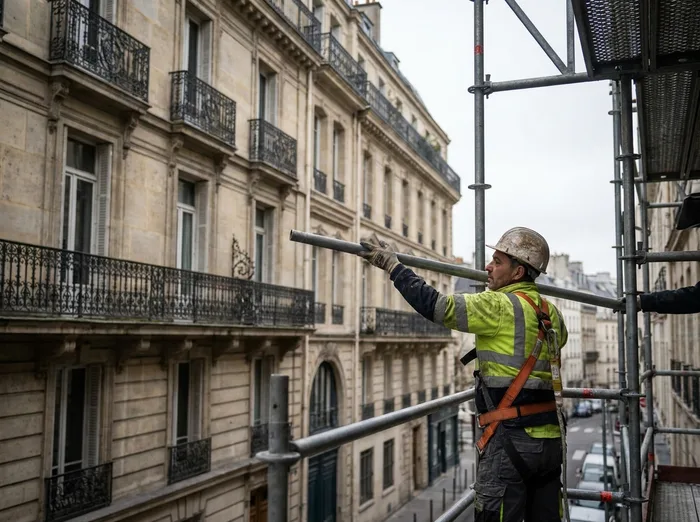
 Lithuania
Scaffolding Work in Lithuania: What You Need to Know
If you are a trained scaffolder from outside the European Union, Lithuania is one of the most practical places to start your career in Europe. Lithuania is not just building locally. The country has built a reputation as an operational hub for specialized subcontracting companies that erect scaffolding across Scandinavia, Northern Europe, and Western Europe. This means Lithuanian firms hire foreign scaffolders both for projects inside the country and for international project rotations.
If you prefer to work only inside Lithuania, you should know that the local market is solid but concentrated in specific industrial zones rather than spread evenly across every town. It is smaller than markets in Germany or Poland, but it is easier to enter because major Lithuanian contractors regularly recruit foreign workers to fill trade shortages.
When you look for scaffolding work in Lithuania, most opportunities sit in four main areas:
- Klaipėda: The primary port city on the Baltic coast. Shipyards, marine engineering firms, and transport terminals in Klaipėda require heavy industrial scaffolding all year round.
- Mažeikiai: Home to the ORLEN Lietuva oil refinery. This complex requires massive scaffolding support during scheduled maintenance turnarounds and industrial upgrades.
- Vilnius and Kaunas: The two largest cities in Lithuania. They host major commercial building sites, apartment developments, and infrastructure projects where modular scaffolding is standard.
- Visaginas and Elektrėnai: Key energy production regions where power plants and industrial facilities require certified scaffolding teams for inspection and maintenance work.
Pay, Hours, and Seasonality in Lithuania
Your earnings as a scaffolder in Lithuania depend heavily on whether you are working on domestic sites or being sent on rotation to other European countries under a Lithuanian employment contract. Lithuanian labor laws set strict clear rules, and pay is calculated on a net monthly basis after tax deductions.
Here is what you can realistically expect regarding pay and schedule:
- Local monthly net pay: For scaffolding work inside Lithuania, standard net pay ranges from 1,100 EUR to 1,700 EUR per month after taxes and official payroll deductions.
- EU rotation net pay: If your Lithuanian employer posts you on temporary rotation to projects in Sweden, Norway, or Germany, your net monthly earnings can rise to between 2,000 EUR and 2,800 EUR per month. This usually includes daily travel allowances (diems).
- Standard work schedule: A standard working week in Lithuania is 40 hours, usually spread over five days. During peak construction periods, overtime is frequently offered and paid at higher rates according to local labor regulations.
- Seasonal cycles: Outdoor commercial scaffolding is heavily seasonal. Hiring ramps up quickly in March and April, reaching peak activity through the summer, before slowing down in late November. However, industrial sites in Klaipėda and Mažeikiai offer year-round work that is less affected by winter weather.
Work Permits and Visa Routes for Foreign Scaffolders
To work legally in Lithuania as a non-EU citizen, you need a formal job offer from a registered company. You cannot travel to Lithuania on a tourist or short-stay visa and look for work after you arrive. Everything must be processed in advance while you are in your home country.
The legal process for obtaining a Lithuanian work visa involves three clear steps:
- Shortage occupation list check: The Lithuanian Employment Services (Užimtumo tarnyba) regularly publishes a list of shortage professions. Construction trades, including specialized scaffolders, frequently appear on this list. When your trade is listed, your employer does not need to run a lengthy labor market test before hiring you.
- Employer work permit application: Your prospective employer submits your trade credentials and employment contract to Užimtumo tarnyba to secure a formal work approval decision.
- National Visa D or TRP: Once your work approval is issued, you apply for a National Visa D or a Temporary Residence Permit (TRP) through the Lithuanian Migration Department (Migracijos departamentas). You submit your passport, police clearance certificate, and contract details through an official application center in your region.
The entire paperwork process generally takes between two and four months from the day you sign the job offer to the day your visa is granted.
Required Certificates, Equipment, and Language Skills
Lithuanian construction contractors must follow strict health and safety standards. Employers value practical experience, but they must also see official documentation before letting you onto an active job site.
Key requirements for scaffolding roles in Lithuania include:
- Scaffolder qualification certificate: You should hold a recognized trade certificate as a scaffolding installer (pastolių montuotojas). Original trade certificates from your home country should be translated into English or Lithuanian.
- Working at heights card: You must complete safety training for working at height (darbas aukštyje) and fall safety systems. Many employers will provide refresher training upon arrival, but prior training makes your application stronger.
- STATREG registration: The Lietuvos statybininkų asociacija (Lithuanian Builders Association) operates the STATREG system. This system issues a digital worker card verifying your trade qualifications and safety training for Lithuanian job sites.
- System experience: Employers expect you to be familiar with popular modular scaffolding systems such as Layher Allround, Peri UP, or HAKI. Mentioning specific systems you know gives you a distinct advantage.
- Language requirements: You do not need to speak fluent Lithuanian to start working. On many industrial sites in Lithuania, Russian is widely spoken by team leaders and co-workers. English is also common, especially among site supervisors in major cities. Basic communication skills in either Russian or English are usually sufficient to clear site safety briefings.
Reality Check: Common Misconceptions About Lithuanian Scaffolding Jobs
When searching for scaffolding work in Lithuania, it helps to separate facts from rumors. Here are common misunderstandings foreign workers have about the Lithuanian market:
- Myth: You can arrive first and find a job later.
Reality: You must complete your visa process with Migracijos departamentas before you travel. Working on a visitor visa is strictly illegal. - Myth: Local pay matches Western European levels immediately.
Reality: Salaries for work based strictly inside Lithuania start at 1,100 EUR net. Higher salaries are earned when working on foreign rotation assignments for a Lithuanian employer. - Myth: Housing is always 100 percent free.
Reality: Some employers provide free shared housing, but others deduct a small monthly fee from your wage or help you rent a room. Always check your written agreement regarding accommodation. - Myth: You need a university degree to pass visa checks.
Reality: Migration authorities focus on trade certificates, verified work experience, and official clean conduct records rather than academic degrees.
Build Your Workuro Profile for Lithuanian Employers
When Lithuanian contractors look for scaffolders, they search for specific qualifications and site experience. Your Workuro profile acts as your direct presentation to these hiring managers, so details matter.
Make sure to update your Workuro profile with the exact details mentioned in this article:
- Trade certificate names: List your scaffolder builder qualification (pastolių montuotojas or local equivalent) and height safety certificates.
- Specific equipment experience: Clearly state which scaffolding systems you have assembled, such as Layher, Peri, or HAKI.
- Preferred working regions: Select Lithuania as a target country and list specific key hubs like Klaipėda, Mažeikiai, Vilnius, or Kaunas.
- Language abilities: Indicate your exact level in Russian or English so employers know you can follow site safety rules.
- Work environment history: Note whether you have worked on high-rise buildings, oil refineries, shipyards, or general construction.
A complete profile that lists your real certificates, tools, and preferred locations makes it easy for Lithuanian employers to find you and invite you for an interview.
Chcesz dać się znaleźć pracodawcom?
Stwórz profil w 2 minuty. Za darmo, bez karty.
Czytaj dalej